Skip to content
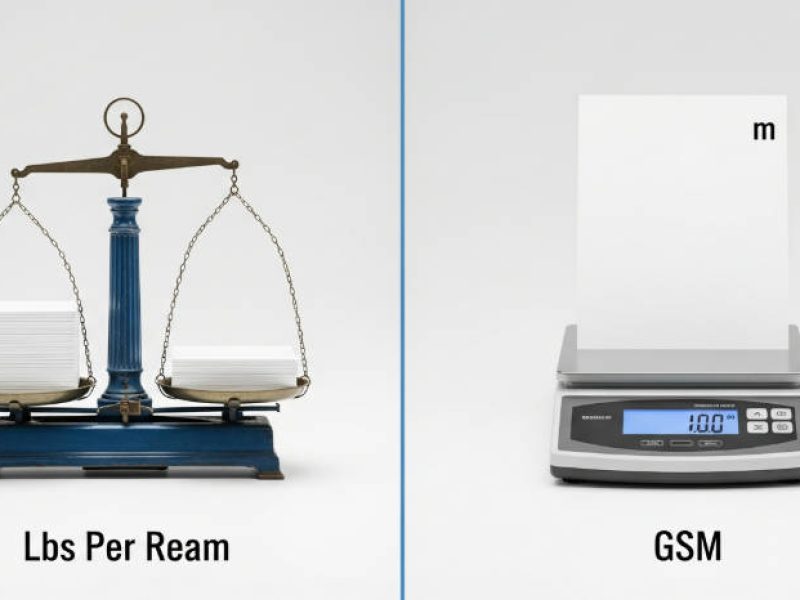
Having Basis Weight Explained correctly prevents procurement officers from accepting underweight jumbo rolls that cause massive financial losses during bulk tissue shipments. B2B importers often lose significant margins when their wholesale deliveries fail to meet thickness specifications because of mismatched measurement standards. These errors create friction in the supply chain and lead to costly contract disputes over paper density.
Our technical standard operating procedure clarifies the conversion between pounds per ream and grams per square meter for international procurement teams. We detail the exact steps for auditing wholesale deliveries and explain why global markets prefer specific density metrics for jumbo rolls. Using these calculations allows your team to verify product quality and maintain strict cost controls over every paper shipment.
The Confusion in Global Paper Procurement Metrics
Supply chain efficiency stalls when North American imperial basis weights clash with the international GSM standards used by high-output manufacturing hubs.
Discrepancies Between North American and International Standards
Procurement teams in 2026 navigate a fragmented landscape where regional measurement habits dictate contract terms. North American buyers typically specify basis weight in pounds per ream, a legacy system that creates immediate friction with global manufacturers like Top Source Hygiene who operate strictly on grams per square meter (GSM). This split prevents a unified technical audit and forces importers to perform manual recalculations that often mask subtle price differences between competing bids.
- North American buyers often specify basis weight in pounds per ream, while global suppliers use grams per square meter (GSM).
- The lack of a singular global standard complicates price comparisons and technical specification audits for B2B importers.
Financial Risks of Measurement Misinterpretation
Misinterpreting tissue density isn’t just a technical oversight; it’s a bottom-line liability. When conversions between basis weight and GSM fail to account for specific fiber density, the resulting volume discrepancies lead to underfilled containers or unexpected shipping surcharges. We see this impact most clearly in bulk 40’HQ orders where a 2% weight variance significantly alters container optimization and total landed cost.
- Inaccurate conversions between basis weight and GSM result in discrepancies between ordered and received material volume.
- Small variations in paper weight interpretation can impact shipping costs and container optimization for bulk 40’HQ orders.
Communication Barriers in Private Label Production
Precision in OEM and ODM services relies on a shared technical language. Ambiguity regarding ply thickness and sheet density across different markets frequently stalls the design phase, delaying the delivery of critical samples to the client. Establishing GSM as the primary metric eliminates these hurdles and streamlines the manufacturing workflow for distributors across 56 countries, ensuring brand consistency from the first prototype.
- Ambiguity in ply and thickness requirements across different regions delays the design and sampling phase.
- Establishing GSM as the primary metric simplifies the manufacturing process for clients in over 56 countries.

What is Basis Weight (Lbs per Ream)?
Basis weight serves as the primary density metric for North American paper procurement, calculating the mass of a standardized ream to define material strength and shipping overhead.
Defining the Standard Ream Measurement
Basis weight calculates the mass of a specific quantity of paper—typically 500 sheets—cut to a predetermined basis size. This figure allows procurement teams to identify paper density and predict durability for 2026 inventory cycles. Because the “basis size” changes depending on whether the material is tissue, bond, or newsprint, buyers must confirm the category to avoid miscalculating material volume.
- The measurement reflects the total mass of a full ream in pounds.
- Specific weights depend on the designated basis size for each paper grade.
- Reliable density data assists teams in estimating shipping costs and product resilience.
Application in Tissue and Towel Production
At our Mancheng manufacturing facilities, we calibrate production lines to maintain exact poundage for every jumbo roll. This precision ensures that 100% virgin wood pulp products reach targeted levels of absorbency and softness. Maintaining these standards across a monthly output of 2,860 tons prevents the brittle textures or thin patches that often plague lower-tier wholesale deliveries.
- Precision calibration guarantees uniform weight for every jumbo roll produced.
- High-volume output requires active monitoring to eliminate structural inconsistencies in kitchen towels.
- Controlled sheet weight ensures that private label facial tissues provide a premium tactile experience.
Regional Differences in Procurement Metrics
Buyers in the United States and Canada typically request quotes in pounds per ream, yet most international markets utilize the metric GSM (grams per square meter) system. These varied standards require transparent communication during the OEM design phase. We provide technical conversion support to align private label specifications with regional market demands, reducing the risk of thickness discrepancies during high-volume orders.
- North American procurement relies on basis weight, while European and Asian partners specify GSM.
- Top Source Hygiene streamlines the conversion process to maintain accuracy in international specifications.
- Unit alignment prevents significant errors in paper thickness for global wholesale contracts.
Boost Margins with Premium Wholesale Jumbo Rolls
What is GSM (Grams per Square Meter)?
GSM serves as the universal technical constant for paper density, providing B2B procurement teams a reliable metric to verify material volume and performance across international borders.
Defining the Metric for Paper Density
Unlike traditional basis weight systems that fluctuate depending on base sheet sizes, GSM measures the actual mass of a single square meter of paper in grams. This metric offers a static scale for B2B buyers to evaluate material density without the complexity of ream conversions. At Top Source Hygiene, we anchor our 2026 production logs to this standard to ensure manufacturing precision, allowing our global client base to receive consistent quality regardless of their regional measurement traditions.
The Relationship Between Weight and Absorbency
Specific paper weight directly dictates how the finished product performs in the hands of the end-user. Higher GSM values indicate a denser fiber structure, which naturally increases the absorbency of premium kitchen towels and multi-ply toilet paper. We balance grammage with ply count to achieve the desired tactile softness for facial tissues, ensuring the material remains strong enough to handle moisture without losing its integrity.
Customizing GSM for Diverse Product Lines
Our production lines adjust paper weight based on functional requirements across different hygiene categories. Standard toilet paper production utilizes a specific GSM range—strictly controlled between 13g/m² and 22g/m² per ply—to maintain the critical balance between skin-friendly softness and rapid flushability. High-capacity jumbo rolls for commercial venues require optimized weights to survive high-tension dispensers, while private label clients specify exact density targets to separate their brands from generic market options.
Strategic Weight Selection for Global Markets
Regional procurement strategies rely heavily on GSM selection to meet local consumer expectations and economic goals. Hospitality sectors in North America and Europe prioritize high-density, multi-ply options to ensure guest comfort and meet strict septic-safe standards. Markets in Africa and parts of Southeast Asia often select weights that maximize roll length and shipping efficiency, allowing for cost-effective distribution in public facilities. We provide adjustable GSM specifications from our Hebei facility to help distributors align their inventory with local regulatory compliance and regional demand.
How to Convert Basis Weight to GSM for Jumbo Rolls
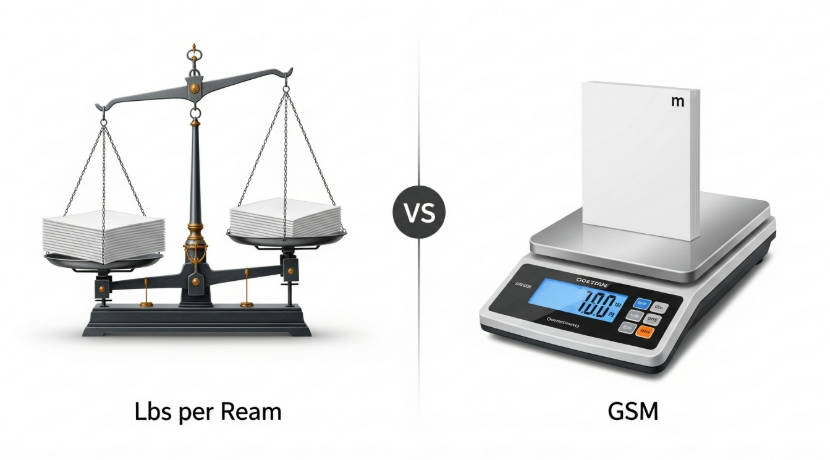
Converting North American basis weight into the global GSM standard eliminates technical discrepancies between regional procurement offices and high-speed manufacturing facilities in the Hebei paper hub.
The Conversion Formula for Tissue Reams
We calculate GSM by multiplying the basis weight of a 3,000-square-foot ream by 1.627. This specific multiplier bridges the gap between the North American ream standard and the metric system used by international manufacturing plants. In the 2026 procurement landscape, technical teams use this formula to compare domestic tissue specifications with global supply chain standards, ensuring that the jumbo rolls ordered match the physical density required for converting machinery.
| Paper Grade Type | Basis Weight (lbs/3000 sq.ft.) | Metric Density (GSM) |
|---|---|---|
| Lightweight Tissue Ply | 8.0 lbs | 13.0 GSM |
| Standard Household Ply | 9.2 lbs | 15.0 GSM |
| Premium Heavyweight Ply | 13.5 lbs | 22.0 GSM |
Precise conversion prevents material thickness failures during high-speed production. If a procurement manager miscalculates the grammage, the resulting jumbo rolls may lack the tensile strength needed for embossing or perforation. We apply these calculations to verify that 100% Virgin Wood Pulp fibers meet the target density before the first roll leaves the factory.
Accounting for Ply Layers in Weight Totals
You determine the total weight of a finished jumbo roll by adding the GSM of each individual ply layer. Top Source Hygiene maintains a strict control range of 13–22g/m² per ply across our 2-ply to 5-ply options. Production managers verify these cumulative totals at our Mancheng facilities to comply with ISO 9001 quality benchmarks. This additive approach ensures that a 3-ply luxury roll provides the exact bulk and softness profile promised to the distributor.
Verifying GSM for Global Export Compliance
B2B importers use GSM as the primary metric to audit wholesale deliveries. Standardizing on metric units simplifies customs documentation (HS Code 4818.1000) for shipments heading to North American and European ports. Accurate weight data also helps logistics teams estimate total payloads for 40-foot high-cube containers. By knowing the exact GSM, we optimize container loading to hit the 7,000kg to 9,000kg sweet spot, reducing the landed cost per unit for every global partner.
Why B2B Importers Rely Exclusively on GSM
GSM serves as the ultimate objective benchmark for B2B procurement, ensuring technical consistency and financial predictability across global tissue supply chains.
Standardizing Product Density for Private Label Brands
Importers use GSM to define the exact texture and weight of household paper, ensuring the final product matches specific market positioning. This metric allows private label owners to dictate the “hand-feel” of the tissue without relying on subjective descriptions. Top Source Hygiene enables clients to adjust GSM density from 13 to 22g/m² per ply, facilitating the creation of everything from budget-friendly economy rolls to ultra-dense, 5-ply luxury products.
| Product Tier | GSM Specification (Per Ply) | Typical Regional Application |
|---|---|---|
| Global Retail (2-Ply/3-Ply) | 13 – 15 g/m² | North America, Europe |
| Luxury Hospitality (5-Ply) | 18 – 22 g/m² | Middle East (GCC), Premium Hotels |
| Industrial / Value Rolls | 15 – 18 g/m² | Southeast Asia, Africa |
Maintaining Uniformity in High-Volume Manufacturing
With a monthly production capacity of 2,860 tons, GSM acts as our primary quality control anchor. We utilize advanced testing equipment to monitor GSM consistency from the initial 100% Virgin Wood Pulp sourcing through to the final packaging stage. Strict adherence to these specifications prevents unwanted variations in absorbency and durability, ensuring that a roll delivered to the Middle East possesses the exact same integrity as one shipped to Europe.
Simplifying Cost Analysis and Logistics Planning
GSM directly influences raw material consumption and total container weight, making it a non-negotiable factor for accurate procurement budgeting. Importers calculate the total weight of 40-foot high-cube containers based on the GSM of the jumbo rolls or finished goods. Precise measurements help businesses forecast shipping timelines and optimize payload efficiency, which typically ranges from 7 to 9 tons per 40HQ container in our Hebei facility.
Verifying Compliance with International Quality Standards
Global regulatory bodies and hygiene standards require objective density measurements to certify performance and safety. We align our GSM data with ISO 9001 and FDA requirements to ensure products meet stringent regional compliance. These verifiable figures provide the necessary evidence during third-party audits and factory-direct inspections, confirming the product is 100% OBA-free and safe for sensitive skin.

Auditing the Thickness of Wholesale Tissue Deliveries
Precise auditing of tissue thickness ensures that high-volume B2B deliveries maintain the exact tactile performance and dispenser compatibility required for 2026 global supply chains.
Validating GSM and Paper Weight Consistency
We verify Grams per Square Meter (GSM) to ensure every 2026 shipment meets specific thickness and absorbency requirements. Our Hebei facility monitors 2,860 tons of monthly production, weighing standardized samples of 100% virgin wood pulp to confirm density matches the order contract. This consistency prevents the variations often found in lower-tier manufacturing where recycled pulp blends compromise structural integrity.
- Top Source Hygiene allows for adjustable paper weight and thickness based on client specifications.
- We measure GSM across the entire production line to maintain uniformity in every 40HQ container.
- Testing involves weighing standardized samples of 100% virgin wood pulp to confirm the density matches the order contract.
| Audit Metric | TSH Factory Standard (2026) | B2B Procurement Benefit |
|---|---|---|
| GSM Per Ply | Strictly controlled 13–22g/m² | Ensures absorbency and tensile strength consistency. |
| Ply Bonding | High-Pressure Lamination | Prevents layer separation in high-traffic dispensers. |
| Caliper Control | Digital Micrometer Verification | Guarantees roll diameter fits standard housings. |
Inspecting Multi-Ply Layering and Bonding
Thickness in wholesale tissue results from layering multiple sheets, which requires physical inspection of bonding quality. Our audit process checks the integrity of 2, 3, 4, and 5-ply options to stop layer separation. We examine how the layers are embossed or bonded through high-pressure lamination, ensuring the final product provides the expected hand-feel and strength.
- The audit process checks the integrity of 2, 3, 4, and 5-ply options to prevent layer separation.
- We examine how the layers are embossed or bonded to ensure the final product provides the expected hand-feel and strength.
- Ply counts remain consistent throughout the entire production run of facial tissues and toilet rolls.
Applying ISO 9001 Quality Control Protocols
Rigorous quality control frameworks ensure thickness measurements align with international standards like ISO 9001 and FDA requirements. Advanced testing equipment in our two factories monitors paper thickness during the high-speed production of jumbo rolls. Current 2026 protocols involve random sampling from every 40-foot high-cube container to validate durability and softness before dispatch to Tianjin Xingang Port.
- Advanced testing equipment monitors paper thickness during high-speed production.
- Protocols involve random sampling from every 40-foot high-cube container to validate durability.
- Third-party audits confirm that 30 years of manufacturing expertise translate into reliable product dimensions.
Measuring Caliper and Roll Density
Caliper testing measures the actual thickness of a single sheet or a stack of tissue under specified pressure. Auditors use digital micrometers to assess the ‘loft’ of the paper, ensuring we do not over-compress it during the winding process. Accurate thickness auditing prevents discrepancies between product samples and mass-produced wholesale deliveries, helping B2B buyers calculate the exact diameter for commercial dispensers.
- Auditors use digital micrometers to assess the ‘loft’ of the paper, ensuring it is not overly compressed.
- Proper caliper audits help B2B buyers calculate the exact diameter of jumbo rolls for commercial dispensers.
- Accurate thickness auditing prevents discrepancies between product samples and mass-produced deliveries.
Conclusion
Relying on GSM instead of regional basis weights allows for a precise audit of tissue thickness and roll density across global supply chains. This technical clarity helps purchasing agents verify that every jumbo roll meets the exact specifications required for their local market. Maintaining these standards protects your inventory quality and prevents costly discrepancies during bulk customs clearance.
Review your current procurement specs to ensure your thickness metrics align with factory-direct GSM standards. You can reach out to our team for a detailed technical manual or to request specific tissue samples for your next project.
Frequently Asked Questions
What is basis weight in commercial toilet paper?
Basis weight is a North American measurement standard that refers to the weight, in pounds, of a specific “ream” of paper. For toilet tissue and other light-weight papers, the industry standard ream is 3,000 square feet. This metric allows manufacturers to maintain consistency in density and thickness across high-volume production runs.
How to convert toilet paper basis weight to GSM?
To convert basis weight (lbs per 3,000 sq. ft.) to GSM (grams per square meter), multiply the basis weight by 1.627. For example, a 9 lb tissue ream would be approximately 14.64 GSM. This conversion is critical for procurement teams working with international suppliers using the metric system.
What is a 10 lb basis weight in tissue paper?
A 10 lb basis weight indicates that a 3,000 sq. ft. ream of the tissue weighs exactly 10 pounds. In metric terms, this is equivalent to 16.27 GSM. It is typically classified as a standard weight for premium 1-ply toilet tissue or high-quality facial tissue, offering a balance of strength and softness.
How to measure the thickness of a jumbo roll?
Thickness, or “caliper,” of the paper sheet is measured using a precision digital micrometer, usually recorded in mils (thousandths of an inch) or microns. For the physical dimensions of the jumbo roll itself, manufacturers measure the outer diameter (OD) and core diameter using large calipers or specialized roll tapes to ensure compatibility with high-speed converting machinery.
GSM vs basis weight for wholesale paper?
GSM (Grams per Square Meter) is the global metric standard for paper density, independent of sheet size. Basis weight is an Imperial measure that varies by paper type (e.g., tissue reams are 3,000 sq. ft., while bond paper reams are smaller). For wholesale procurement, using GSM is preferred to avoid errors caused by the different ream definitions used in the US basis weight system.
What is the standard GSM for commercial 2-ply?
Standard commercial 2-ply toilet paper typically utilizes individual plies ranging from 13 to 15 GSM. This results in a total combined weight of approximately 26 to 30 GSM. Premium commercial brands may occasionally reach 32+ GSM to provide enhanced absorption and a more luxurious hand-feel.