Skip to content
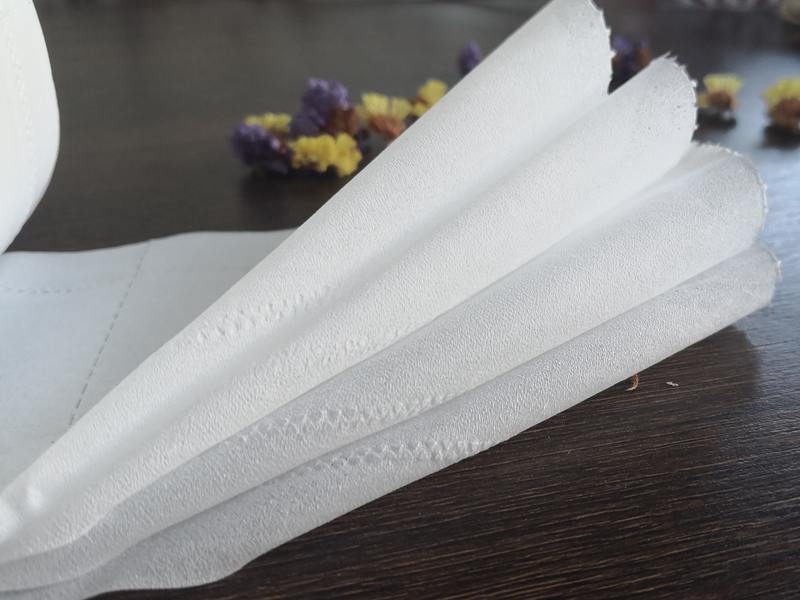
Choosing between virgin vs recycled paper products often forces procurement managers to balance immediate cost savings against the risk of plummeting guest satisfaction scores and increased janitorial labor. While recycled options satisfy green mandates, the physical breakdown of short-chain fibers creates a specialized set of maintenance challenges that can quietly erode a brand’s premium positioning in the hospitality and commercial sectors.
This technical comparison breaks down the structural differences between long-fiber virgin pulp and short-fiber recycled materials to help you establish a data-driven procurement SOP. We examine the mechanics of tactile roughness, the operational impact of paper dust accumulation, and how FSC-certified virgin sources offer a sustainable alternative that maintains the high-performance standards required for commercial wholesale environments.
The Fiber Difference: Long Fibers vs Short Fibers
The structural integrity and tactile profile of facial tissues depend entirely on the precise ratio of long-fiber softwood and short-fiber hardwood pulps.
Technical Properties of Long Fibers in Virgin Pulp
Long fibers derived from softwood species serve as the primary structural framework for high-quality paper products. At Top Source Hygiene, we prioritize these fibers because they create a strong interweaving network. This network significantly increases the tensile strength and tear resistance of our products, from toilet paper to heavy-duty kitchen towels.
We utilize 100% virgin wood pulp to ensure these fibers remain intact. Unlike recycled alternatives where fibers are often brittle and fragmented, our virgin pulp maintains its original length. This inherent length allows for superior absorption and durability. It explains why our 4-ply and 5-ply options, such as the TSH-4702-3 series, maintain their integrity even when fully saturated, performing more like a washcloth than a traditional tissue.
| Fiber Attribute | Virgin Long Fiber (Softwood) | Recycled Short Fiber |
|---|---|---|
| Structural Role | Tensile Strength & “Skeleton” | Filling & Bulk |
| Wet Strength | High (Washcloth-like) | Low (Prone to shredding) |
| Dust Generation | Lint-Free / Zero Scraps | High (Due to fiber breakage) |
The Role of Short Fibers in Texture and Softness
Short fibers, typically sourced from hardwood, fill the gaps in the paper’s surface to create the smooth, velvet-like feel required for premium facial tissues. If long fibers are the “skeleton” of the tissue, short fibers act as the “skin.” This combination offers the exceptional softness that Top Source Hygiene provides to the global hospitality market.
- Balanced long-to-short fiber ratios meet specific client requirements for both strength and skin comfort.
- Precise blending ensures tissues remain gentle on sensitive skin while staying robust enough for commercial dispensers.
- 100% OBA-Free materials ensure that softness does not come at the cost of chemical safety.
Fiber Degradation and the Impact of Recycling
Repeated processing of paper fibers leads to shortening and weakening. Every recycling cycle breaks the fibers down further, which results in the rougher texture and lower absorbency characteristic of recycled tissues. We avoid this degradation by focusing exclusively on virgin pulp and bamboo options.
By using high-purity raw materials, we eliminate the need for chemical binders often used to hold degraded recycled fibers together. This approach ensures our products, like the TSH-6125 for mother and baby care, maintain their structural purity and natural brightness without relying on fluorescent whiteners or harsh additives.
Why Recycled Facial Tissues Feel Rougher
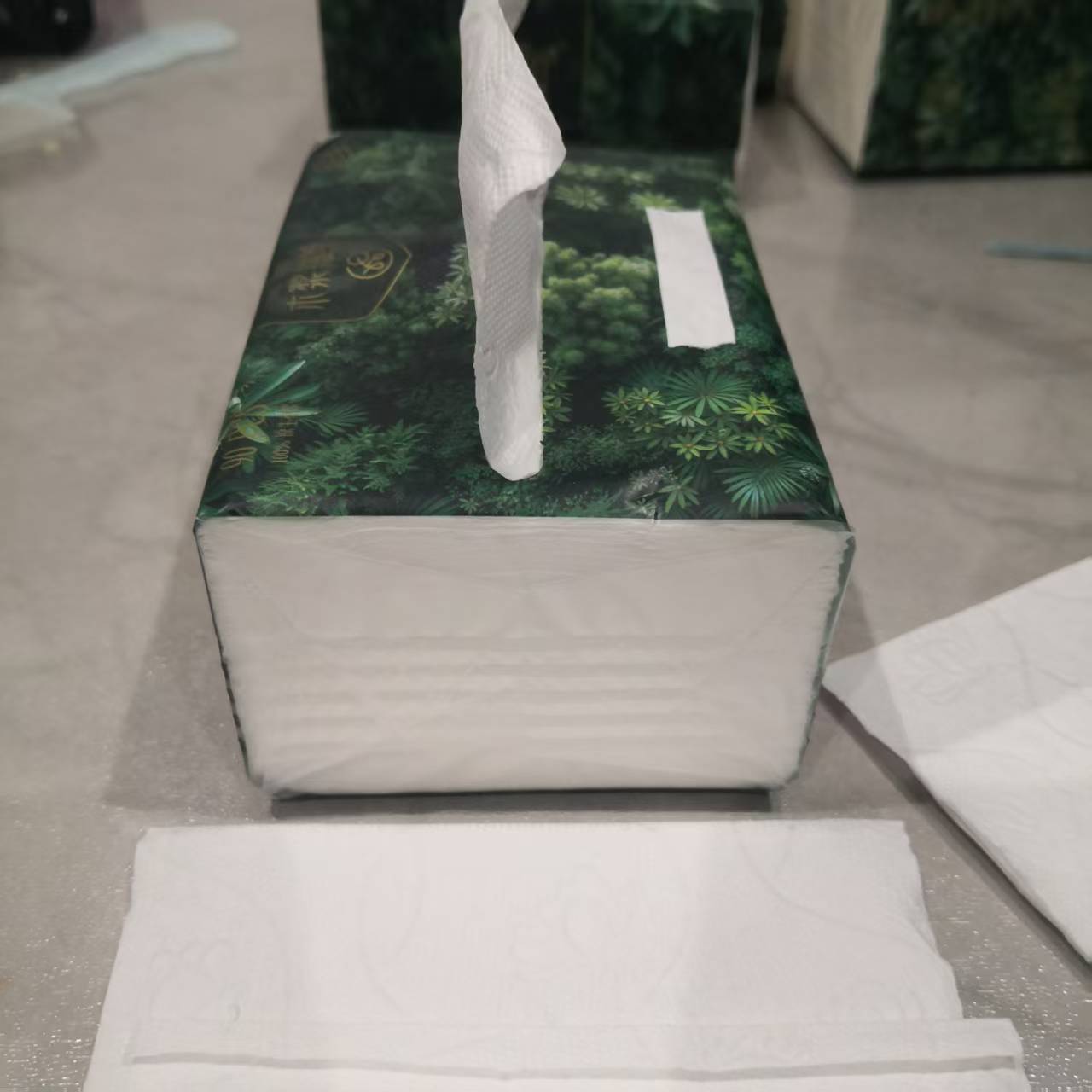
The mechanical degradation of fibers during the recycling process creates a stiff, microscopic mesh that lacks the structural flexibility required for premium tactile softness.
Fiber Length and Structural Integrity
Recycling involves repeated mechanical pulping that breaks down long, flexible wood fibers into shorter, stiffer fragments. These short fibers lack the ability to create a soft, velvety surface, resulting in a mesh that feels abrasive against sensitive skin. Virgin wood pulp maintains its original cellular structure, allowing the fibers to bend and move during use, which translates to a cloth-like feel.
Top Source Hygiene avoids this texture degradation by utilizing 100% virgin wood pulp to maintain maximum fiber length and flexibility. By sourcing directly from northern China hubs like Hebei, we ensure the raw material retains its high tensile strength. This prevents the tissue from shredding or feeling “papery” when applied to the face or used in cosmetic applications.
| Texture Factor | 100% Virgin Wood Pulp | Recycled Paper Fiber |
|---|---|---|
| Fiber Length | Long, flexible intact fibers | Short, brittle fragments |
| Surface Feel | Cloud-like/Aslike Cloth | Abrasive and stiff |
| Dusting/Linting | Lint-free performance | High microscopic debris |
Removal of Natural Softening Agents
Secondary fibers undergo rigorous de-inking and bleaching cycles to remove contaminants, which can leave the remaining pulp brittle. These intensive cleaning processes strip away natural bonding agents and hemicellulose that contribute to a premium hand-feel. Without these natural elements, the paper becomes overly dry and prone to creating friction during use.
- Virgin pulp retains natural bonding properties that allow for a smoother finish without heavy chemical additives.
- Manufacturing data from 2026 shows that virgin pulp products maintain a higher softness rating due to lower processing stress.
- OBA-free (Optical Brightening Agent free) virgin pulp achieves natural brightness without compromising the fiber’s integrity.
Presence of Inorganic Fillers and Contaminants
Residual materials from the original paper sources often remain in recycled pulp, creating a micro-textured surface. Recycled batches often contain trace amounts of clays, calcium carbonate, or adhesives from previous paper applications like office bond paper or magazines. These particles create microscopic bumps on the tissue surface, increasing friction compared to the uniform purity of virgin wood pulp.
Clients in the hospitality sector often report higher satisfaction with virgin pulp tissues because they lack the “dusty” or “gritty” feel of recycled alternatives. For B2B buyers, choosing virgin pulp ensures a consistent quality that reflects well on their brand, particularly in luxury hotels or healthcare facilities where skin sensitivity is a priority.
Premium Custom Toilet Paper at Wholesale Prices
ene-private-label-benefit-icons.jpg))
Dust and Lint: The Byproduct of Recycled Paper
Recycled fibers generate significantly higher particulate matter due to structural degradation during repeated processing, making 100% virgin wood pulp the requirement for lint-free professional environments.
Mechanical Breakdown of Recycled Fibers
Every recycling cycle subjects wood fibers to harsh chemical and mechanical stress, physically weakening the cellular structure. These fibers eventually break into “fines”—microscopic fragments that fail to bond securely within the paper matrix. While virgin pulp maintains its length and integrity, recycled alternatives shed these fragments easily during standard use.
- Structural instability: Shortened fibers lack the interlocking capacity required for high-tensile paper sheets.
- Particulate release: Micro-fragments detach from the surface, creating visible dust and invisible airborne lint.
- Sensitivity concerns: Debris from degraded fibers often triggers respiratory sensitivities or irritates skin in clinical settings.
Impact on Commercial and Healthcare Environments
Facility managers face increased operational costs when using high-lint recycled products. Particulate buildup requires more frequent cleaning of surfaces and air filtration systems. In clinical or luxury hospitality settings, the presence of paper dust compromises the sterile appearance of surfaces and lowers guest satisfaction scores for hygiene.
- Maintenance overhead: Dust accumulation in high-traffic zones increases the cleaning rotation frequency and filter replacement costs.
- Hygiene standards: Clinical environments require zero shedding to maintain surface purity and sensitive equipment functionality.
- Brand perception: Top Source Hygiene utilizes 100% virgin wood pulp to ensure a lint-free experience that matches premium service expectations.
Mitigating Particulates Through Material Selection
Selecting virgin fiber serves as the most effective strategy for brands requiring high-purity paper goods. The natural bonding strength of long-chain wood pulp ensures that tissues and towels stay intact, even when saturated. Top Source Hygiene further reduces shedding by integrating advanced vacuum systems and high-precision filtration into the manufacturing line.
- Enhanced bonding: Virgin wood pulp offers superior tensile strength, preventing the sheet from disintegrating during facial or cosmetic applications.
- Production purity: Premium manufacturing includes specialized filtration stages to strip away loose surface particles before packaging.
- Global procurement trends: Buyers in North America and Europe increasingly pivot to FSC-certified virgin pulp to balance environmental goals with the need for a lint-free user experience.

FSC-Certified Virgin Pulp: Sustainable and Soft
FSC-certified 100% virgin wood pulp represents the optimal intersection of high-performance fiber integrity and verifiable environmental stewardship for premium hygiene markets.
Top Source Hygiene utilizes 100% virgin wood pulp backed by FSC certification to meet global sustainability standards. This certification ensures that raw materials come from responsibly managed forests that provide environmental, social, and economic benefits. By prioritizing certified virgin fibers, we address the rising demand for “green” consumer products in North American and European markets without sacrificing the physical properties of the tissue.
This sourcing strategy also eliminates the need for fluorescent whiteners often found in lower-quality or uncertified recycled papers. Because the pulp is pure from the source, the natural brightness meets premium retail standards without aggressive chemical intervention. This makes the final product safer for sensitive skin and infant care applications, a critical selling point for B2B distributors targeting the maternity and medical sectors.
Superior Fiber Quality and Texture
Virgin pulp provides a distinct advantage in product performance and user comfort compared to recycled alternatives. The natural long fibers in virgin pulp create a stronger, more absorbent paper structure that resists tearing when wet. This inherent strength allows for the production of “Dry & Wet Using” series tissues that perform similarly to a washcloth when saturated.
The inherent softness of 100% virgin wood pulp makes it ideal for premium facial tissues and hospitality-grade toilet paper. We leverage this fiber purity to offer customizable thickness from 2-ply to 5-ply while maintaining a lint-free finish. Unlike recycled fibers, which break down and create dust during use, virgin fibers remain intact, ensuring zero paper scraps are left behind on the skin.
Compliance and Market Competitiveness
Maintaining international certifications allows for seamless entry into regulated hygiene markets. FSC-certified products comply with strict EU and North American environmental regulations, which simplifies the procurement process for global retailers and hospitality groups. Professional buyers increasingly demand transparent supply chains where virgin pulp remains the benchmark for premium hygiene brands.
Retailers reporting a 30% surge in sales often attribute their success to the combination of softness and visible eco-friendly credentials. In the 2026 market landscape, providing a product that is both 100% OBA-free and sustainably sourced gives wholesalers a significant edge. This alignment of quality and ethics ensures long-term brand loyalty in highly competitive regional markets like the Middle East and Europe.
Cost Analysis for Commercial Hospitality Procurement
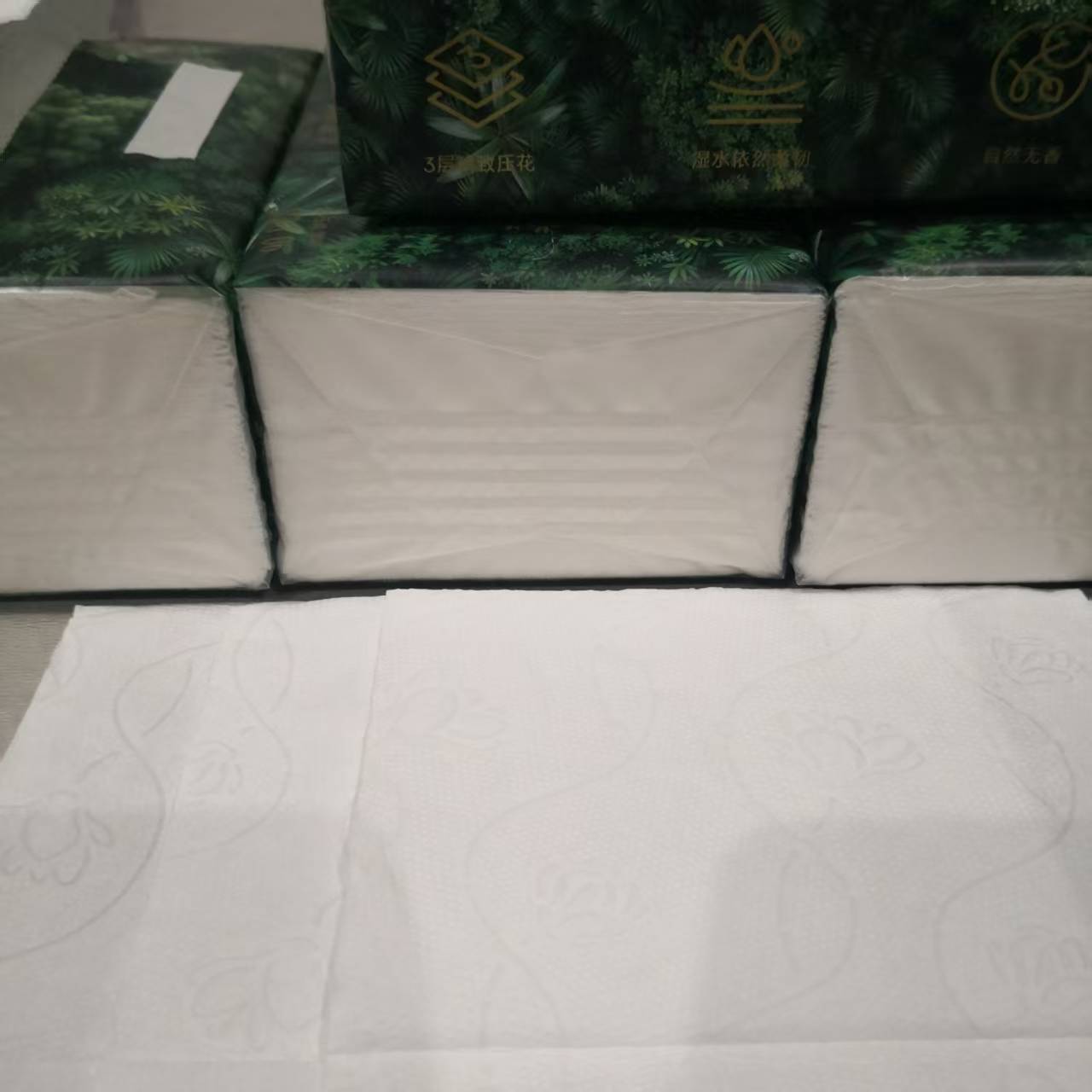
Optimizing hospitality overhead requires a shift from tracking simple unit prices to evaluating total landed costs and guest consumption rates across 40HQ container volumes.
Direct Factory Sourcing and Bulk Procurement Efficiency
Commercial hospitality procurement thrives on supply chain transparency. By eliminating intermediaries through a factory-direct model, hotels and resorts secure stable pricing on high-volume essentials. Top Source Hygiene manages a monthly production capacity of 2,860 tons at our Hebei facility, providing the scale necessary to shield large-scale commercial orders from the market fluctuations often seen in 2026. This vertical integration ensures that procurement managers receive manufacturing-floor pricing rather than inflated distributor rates.
Standardizing procurement to 40-foot high-cube containers represents the most effective method for lowering per-unit shipping costs. Our loading teams maximize every cubic inch of the container, typically handling payloads between 7,000kg and 9,000kg. This precision in logistics streamlines warehouse operations for major hospitality groups and ensures a consistent flow of inventory without the surcharges associated with LCL (Less than Container Load) shipping.
| Procurement Factor | Standard Recycled Tissue | Top Source Virgin Wood Pulp |
|---|---|---|
| Upfront Unit Cost | Lower (Short-term saving) | Moderate (B2B Factory Direct) |
| Maintenance Labor | High (Dust/Lint cleanup) | Low (Lint-free performance) |
| Consumption Rate | High (Low absorbency) | Reduced (High-density 4/5-ply) |
Material Selection: Virgin Pulp vs. Long-Term Maintenance Costs
Material choice dictates operational expenses far beyond the initial invoice. High-quality 100% virgin wood pulp products virtually eliminate the lint and dust buildup common in public restrooms. This technical advantage directly lowers the frequency and cost of professional cleaning services. By selecting premium fibers, facility managers prevent the respiratory irritants and unsightly residue that recycled alternatives often leave behind.
- Our 3-ply to 5-ply configurations provide superior absorbency, often extending the lifespan of each roll by 15% as guests use fewer sheets.
- 100% OBA-Free materials ensure guest safety and reduce liability risks associated with skin sensitivities.
- Premium virgin pulp improves guest satisfaction scores by approximately 20%, protecting the brand from the indirect costs of negative reviews.
Operational Savings through High-Capacity Commercial Solutions
Selecting specific product formats like high-capacity hanging packs (such as model TSH-6705-2) drives measurable labor reductions. Implementing these 320-pull solutions in high-traffic environments has shown a 15% reduction in maintenance costs by decreasing the frequency of roll changes. Procurement managers can balance plushness with durability by customizing GSM and ply specifications, ensuring the product meets the specific traffic demands of the venue without over-specifying and wasting budget.
Reliable production lead times of 20-25 days prevent the need for emergency local sourcing at retail prices. By maintaining a disciplined procurement schedule with a direct factory source, hospitality groups protect their budgets from last-minute surcharges and ensure that every 40HQ arrival aligns with their operational burn rate.
Conclusion
Choosing between virgin wood pulp and recycled fibers directly impacts the guest experience and long-term procurement costs. While recycled paper serves basic needs, 100% virgin wood pulp provides the lint-free durability and soft texture essential for high-end hospitality and sensitive skin applications. Selecting the right fiber grade ensures your facility maintains high hygiene standards while optimizing container payload efficiency.
Review your current inventory specifications to see if a shift to 4-ply virgin pulp could improve your brand’s perceived value. Contact Top Source Hygiene today to request a technical catalog or a custom quote for your next 40HQ wholesale shipment.
Frequently Asked Questions
Virgin wood pulp vs recycled facial tissue?
Virgin wood pulp tissues are made from new, unprocessed wood fibers, offering superior softness, strength, and high absorbency due to the preservation of long fiber structures. Recycled facial tissues are manufactured from post-consumer waste, providing a significantly lower carbon footprint and reducing deforestation, though they typically have shorter fibers which can result in slightly less durability and a textured feel.
Why are recycled tissues rough?
Recycled tissues feel rougher because the paper fibers are broken down and shortened each time they are processed. These shortened fibers lack the flexibility of “virgin” long fibers and often require more intensive mechanical processing to bond together, resulting in a stiffer, less plush surface texture compared to tissues made from fresh pulp.
What is virgin wood pulp tissue?
Virgin wood pulp tissue is a premium paper product created directly from harvested timber rather than recycled materials. It is characterized by its high purity, consistent white color, and exceptional structural integrity. Because the cellulose fibers have never been recycled, they remain at their maximum length, providing the highest level of softness and tear resistance available in the market.
Are recycled facial tissues dusty?
Recycled tissues can produce more “paper dust” or lint than virgin options due to the higher concentration of short, brittle fibers and fillers used during the recycling process. When the tissue is pulled or used, these microscopic fragments are more likely to break away. However, modern high-end manufacturing techniques and de-dusting systems in B2B production lines have significantly minimized this issue in recent years.
Best sustainable facial tissue wholesale?
The best sustainable options for wholesale procurement include tissues certified by the Forest Stewardship Council (FSC) or those made from 100% Post-Consumer Recycled (PCR) content. For high-traffic commercial environments looking to balance sustainability with user comfort, hybrid blends or rapidly renewable alternatives like bamboo-based tissues are currently the industry standard for performance and eco-friendliness.