Skip to content
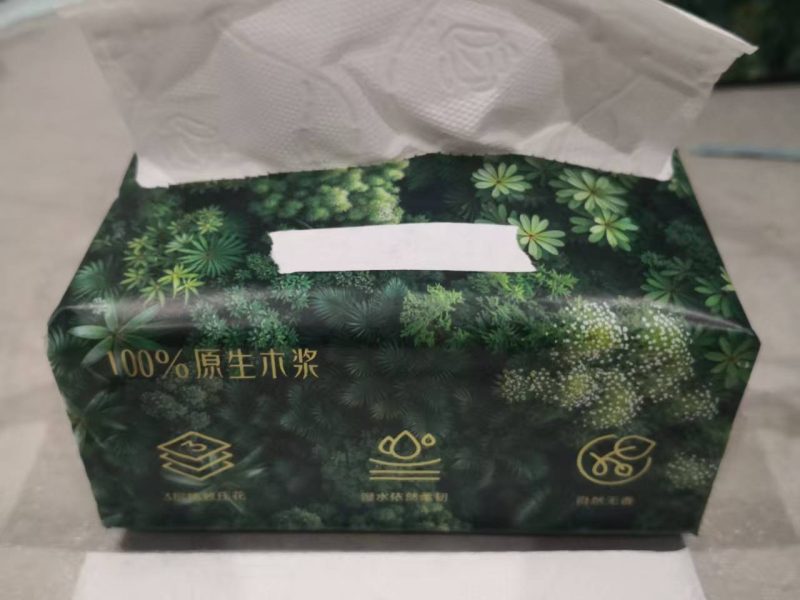
Navigating the balance between Pine vs Eucalyptus is the most critical decision for manufacturers aiming to maintain high softness ratings and production yield in the facial tissue sector. For B2B suppliers, an incorrect fiber blend results in thin, abrasive tissues that fail to meet the standards of luxury hospitality contracts, leading to rejected batches and lost procurement trust. Selecting the right pulp source directly impacts the tactile quality and structural integrity of the final product, which dictates whether a brand stays competitive in the premium market.
This guide examines the distinct roles of short-fiber eucalyptus and long-fiber pine in creating a high-performance tissue. We look at how eucalyptus delivers surface smoothness while pine provides the necessary tensile strength to prevent tearing during use. We also provide specific blending ratios for the hospitality industry and outline the process for verifying FSC certification to ensure your bulk pulp sourcing meets global sustainability and compliance requirements.
The Global Sourcing of Wood Pulp
Strategic wood pulp procurement in 2026 hinges on balancing 100% virgin fiber purity with strict FSC-compliance to meet the rigorous physical and environmental demands of the global hospitality and retail sectors.
Top Source Hygiene prioritizes 100% virgin wood pulp to secure the high-performance absorbency and tactile comfort required by international distributors. By selecting high-purity virgin fibers over recycled alternatives, we maintain the essential structural integrity for heavy-duty 4-ply and 5-ply tissue products. This material choice eliminates the risk of fiber breakage and ensures a lint-free experience, which is a non-negotiable standard for cosmetic and facial applications.
Sourcing Virgin Wood Pulp for Consistent Quality
Our 2026 procurement strategy focuses on raw materials that remain entirely free from fluorescent whiteners and chemical residues. Utilizing primary fibers allows us to achieve natural brightness and the “aslike cloth” toughness that our B2B partners expect. This focus on material purity directly translates to a safer product for sensitive skin, supporting the growth of private label brands in the maternal and infant care segments.
- Use of premium long-fiber wood pulp to prevent paper scraps and dust during use.
- Elimination of Optical Brightening Agents (OBA) to ensure safety for infant and medical-grade applications.
- Optimization of fiber density to support multi-ply lamination and high wet-strength performance.
Adhering to 2026 Sustainability and Compliance Standards
Current global supply chains demand full transparency and rigorous documentation of material origins. We source FSC-certified wood pulp to help our clients navigate environmental regulations in Europe and North America, where sustainability is a core procurement metric. Every pulp shipment undergoes verification against ISO 9001 and FDA standards, providing our OEM partners with the safety guarantees necessary for high-end market entry.
Transparent sourcing practices enable our wholesale partners to market their brands as socially responsible. By verifying every link in the supply chain—from the South American forests to our Hebei manufacturing facility—we provide the documentation needed for customs clearance and retail audits. This level of compliance protects the brand reputation of the distributors we serve and ensures long-term access to ecologically sensitive markets.
Supply Chain Stability and Production Volume
Reliable access to raw wood pulp is the foundation of our high-volume manufacturing output. By securing long-term contracts with established international pulp suppliers, we maintain a stable monthly production capacity of 2,860 tons. This consistency allows Top Source Hygiene to service wholesale orders across 56+ countries without the risk of material shortages or sudden price volatility that often affects smaller manufacturers.
Our factory’s proximity to the Mancheng paper production base in Hebei streamlines the logistics of imported pulp. This strategic location enables us to process raw materials into finished facial tissues rapidly, maintaining a predictable 15-25 day production lead time for 40HQ containers. For B2B buyers, this logistical efficiency ensures better inventory management and a faster time-to-market for seasonal or large-scale retail promotions.
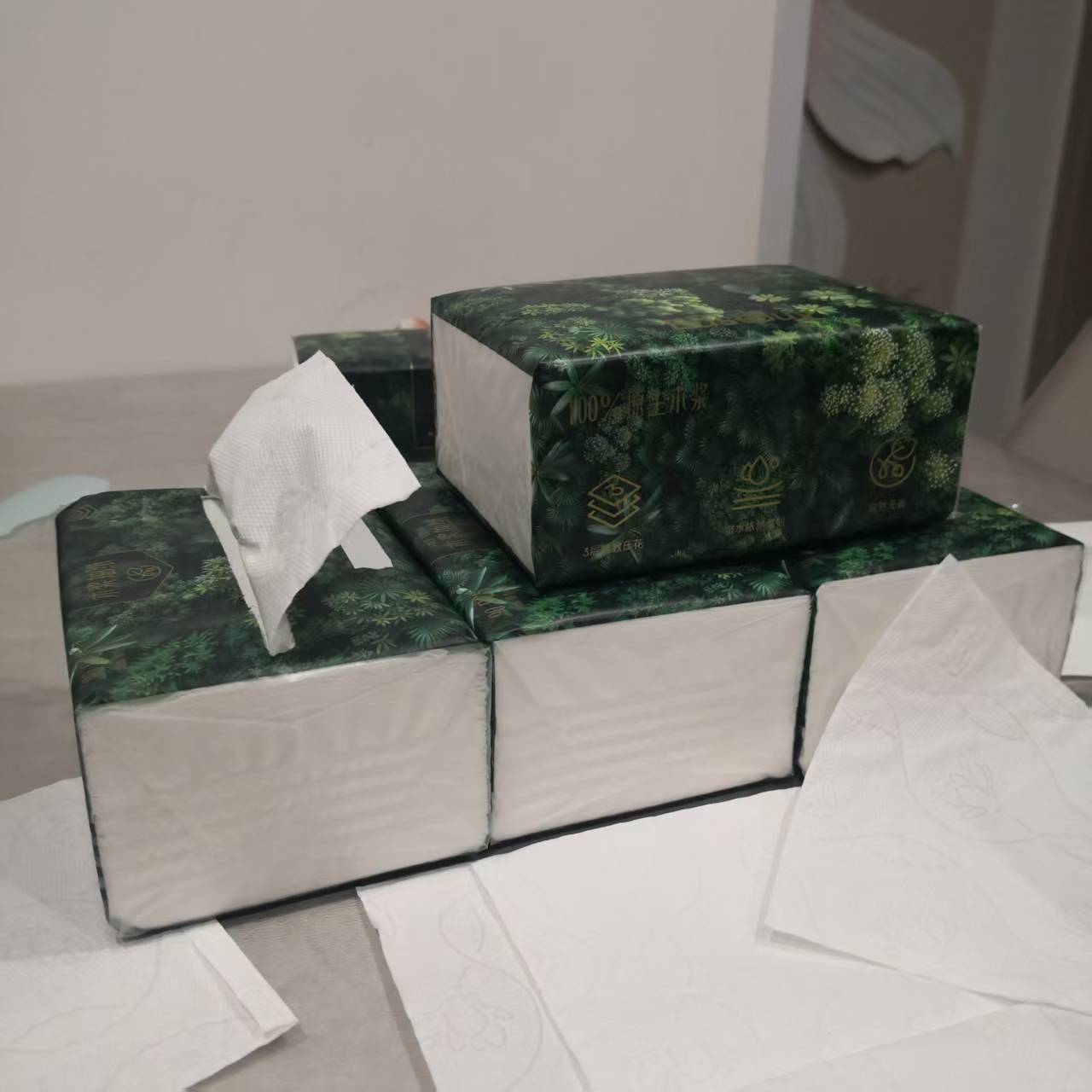
Eucalyptus: Short Fibers for Ultimate Smoothness
Eucalyptus fibers provide the high-density physical foundation required to eliminate surface friction and deliver the velvet-like texture expected in professional-grade facial tissues.
Fiber Density and Surface Uniformity
Eucalyptus fibers typically range from 0.7 to 1.0 mm in length. This short profile allows for a significantly higher fiber population per gram compared to long-fiber softwoods. In the papermaking process, these millions of tiny fibers fill the microscopic gaps within the paper web, creating a dense and closed surface. This uniformity is what prevents the “scratchy” sensation often associated with lower-grade materials.
- A high fiber count per square inch ensures the sheet remains opaque and structurally consistent.
- The smooth surface reduces linting, making the tissue safe for lens cleaning and cosmetic removal.
- Top Source Hygiene leverages a 2,860-ton monthly production capacity to maintain these tight tolerances in fiber distribution.
Tactile Comfort in Premium Tissue Production
The morphology of eucalyptus pulp directly dictates the final handfeel of the product. While pine provides the skeleton, eucalyptus provides the “skin.” For the 2026 hospitality and healthcare sectors, softness is not a luxury but a performance requirement to prevent skin irritation during frequent use. By utilizing 100% virgin wood pulp, we bypass the coarseness found in recycled alternatives that contain inconsistent fiber types.
| Fiber Metric | Eucalyptus (Hardwood) | Pine (Softwood) |
|---|---|---|
| Average Fiber Length | 0.7 mm – 1.0 mm | 2.5 mm – 3.5 mm |
| Primary Function | Surface Smoothness & Softness | Tensile Strength & Durability |
| Optimal Ply Placement | Exterior (Skin-Contact) Layers | Interior (Core) Layers |
Strategic Application in Multi-Ply Engineering
Effective B2B tissue engineering relies on the intelligent layering of different pulp types. In 3-ply and 4-ply configurations, such as our TSH-2059 luxury series, we place eucalyptus-heavy layers on the exterior. This ensures that the user only feels the velvety short fibers, while the inner pine-dominant layers handle the mechanical stress and prevent the tissue from shredding during use.
- Advanced multi-channel headboxes in our Mancheng facility allow for precise control over fiber distribution across plies.
- Layering short fibers on the outside maximizes skin-contact comfort without sacrificing wet strength.
- This engineering approach produces a tissue that performs like a washcloth while remaining soft enough for sensitive skin.
Build Your Unique High-Margin Tissue Brand
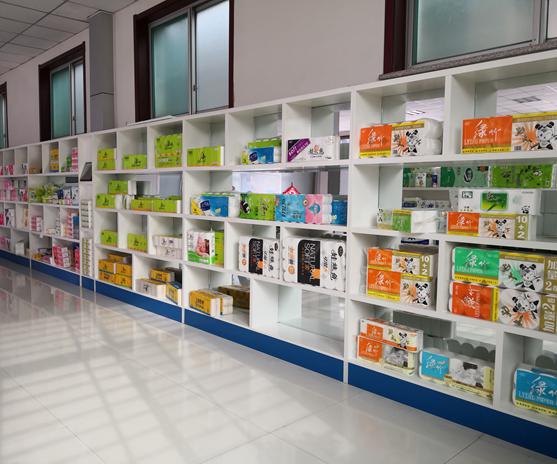
Pine: The Structural Backbone of the Tissue
Pine softwood fibers create the high-tensile internal mesh required for premium facial tissues to maintain integrity when wet and resist shredding under mechanical stress.
Long Fiber Networks for Tensile Strength
Softwood pine pulp provides the long cellulose fibers that interlock during the wet-end of the paper manufacturing process. While short hardwood fibers offer surface smoothness, pine’s long fibers form a resilient physical web. This structural mesh gives the paper its “Dry & Wet Using” capabilities. Top Source Hygiene utilizes high-purity virgin pine to ensure products like the TSH-4702-3 series perform with washcloth-like toughness when saturated.
| Fiber Property | Softwood (Pine) | Hardwood (Eucalyptus) |
|---|---|---|
| Average Fiber Length | 2.5 – 4.5 mm | 0.6 – 1.1 mm |
| Primary Functional Benefit | Tensile Strength & Tear Resistance | Surface Smoothness & Bulk |
| Role in Multi-Ply Construction | Internal Structural Skeleton | Outer Soft-Touch Layers |
This fiber network prevents the tissue from tearing easily when pulled from high-capacity dispensers or used for cosmetic removal. By anchoring the shorter fibers, the pine mesh ensures a lint-free experience, leaving zero paper scraps on the skin.
Structural Reinforcement in Multi-Ply Tissues
As production scales into 4-ply and 5-ply configurations, internal structural support determines the final product quality. Pine fibers act as the backbone for thicker toilet paper and facial tissues, ensuring that the multiple layers remain bonded. Top Source Hygiene uses high-pressure ply-bonding technology to laminate these layers, a process that relies on the interlocking nature of pine to keep the tissue from shredding during consumer use.
- Pine reinforcement prevents ply-separation during high-speed V-fold dispensing.
- The fiber mesh maintains the 13-15 GSM standard for individual plies without risking holes or thinning.
- Virgin pine pulp enables the manufacturer to maintain consistent quality across a 2,860-ton monthly capacity.
Pine Integration in High-Volume Production Lines
Efficiency in the Baoding manufacturing hub depends on fiber consistency. The superior strength of pine fibers reduces the frequency of “web breaks” on high-speed industrial machines. For B2B distributors and wholesalers, this technical reliability ensures that large-scale orders—such as the TSH-0703-3 industrial series—stay within the 15-25 day production window.
Stable fiber lengths allow for precise GSM adjustments across different product categories. This flexibility helps importers hit specific price points in competitive markets like Africa or Southeast Asia without sacrificing the durability required for commercial hospitality environments. By optimizing the pine-to-eucalyptus ratio, the factory delivers high-capacity hanging packs that maintain their shape and integrity from the container loading process in Tianjin to the end-user’s facility.
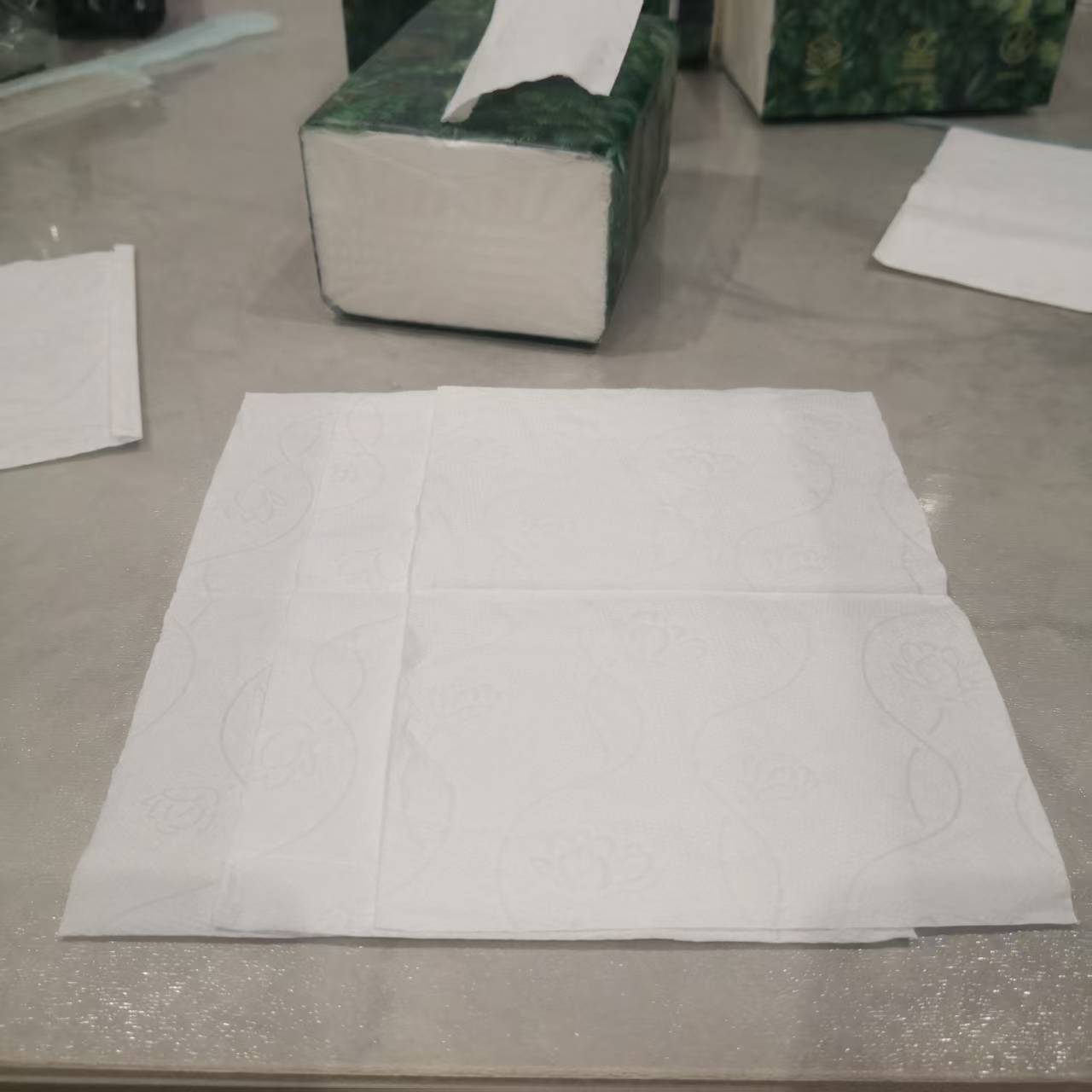
The B2B Blending Ratio for Hospitality
Hospitality procurement in 2026 demands a precise calibration of short eucalyptus fibers for skin-contact softness and long pine fibers for structural integrity.
Optimizing the Eucalyptus-Pine Balance for Guest Amenities
We engineer tissue products by combining eucalyptus short fibers for surface smoothness with pine long fibers to prevent tearing during use. For premium hotel facial tissues, we increase the eucalyptus percentage to achieve the velvet texture required in luxury suites. This specific fiber alignment ensures the tissue remains lint-free, which is a critical requirement for cosmetic applications in high-end hospitality environments.
At our Baoding manufacturing hub, we allow B2B clients to specify custom fiber ratios. This technical flexibility ensures that a distributor can supply a product that matches the specific tactile expectations of their target guest demographic. By utilizing 100% virgin wood pulp from our strategic North China facilities, we maintain a consistent supply of “Aslike Cloth Tough” softness that competitors using recycled blends cannot replicate.
Custom Ply Configurations for Luxury Hotel Chains
Standardizing fiber blends across different ply options helps hotels maintain brand consistency while managing operational costs. We offer 3-ply and 4-ply options using a 100% virgin wood pulp blend to maximize absorbency. Adjusting the GSM (Grams per Square Meter) in conjunction with the fiber ratio ensures that multi-ply products remain soft yet structurally sound. Data from 2026 shows that hotels utilizing custom fiber blends see a measurable rise in guest satisfaction scores regarding room amenities.
| Hotel Tier / Application | Fiber Blend (Eucalyptus:Pine) | Primary Technical Benefit |
|---|---|---|
| Luxury Boutique (TSH-2059) | 70% Short Fiber / 30% Long Fiber | Maximum surface smoothness; velvet feel. |
| Business & Mid-Scale | 60% Short Fiber / 40% Long Fiber | Balanced softness and high tensile strength. |
| High-Traffic Commercial | 50% Short Fiber / 50% Long Fiber | Durability; prevents breakage in dispensers. |
Technical Specifications for Commercial High-Traffic Areas
For hospitality venues like resort lobbies and conference centers, the blending ratio shifts to prioritize tensile strength and roll longevity. Jumbo rolls for high-traffic restrooms utilize a higher pine pulp content to prevent linting and breakage during high-frequency dispensing. We also apply ply-bonding technology using high-pressure lamination to ensure that layers stay intact, even under heavy-duty use.
- OEM specifications for kitchen towels in restaurant settings favor a blend that maximizes wet strength for heavy-duty cleaning tasks.
- Flexible manufacturing at our Mancheng facilities allows for the production of high-capacity rolls that reduce maintenance labor costs by 15%.
- Our high-density hanging packs (like TSH-6705-2) use a specific 5-ply construction to offer extended usage without sacrificing the premium feel of 100% virgin pulp.
- We optimize 40HQ container loading to ensure the lowest landed cost per unit, protecting the wholesale margins of our distribution partners.
Verifying FSC Certification for South American Pulp
FSC verification for South American fiber requires an unbroken Chain of Custody (CoC) that connects Brazilian and Chilean harvests directly to the manufacturing floor in Hebei.
Securing high-quality virgin pulp from South America involves more than just logistics; it requires a rigorous verification framework to ensure environmental compliance. We maintain a strict Chain of Custody (CoC) system that tracks every ton of wood pulp from its origin in Brazil or Chile to our Mancheng production base. This level of oversight ensures that the premium fibers used in products like the TSH-2417 Natural Wood series meet global sustainability benchmarks without exception.
The FSC Chain of Custody Protocol
The integrity of our supply chain depends on precise documentation. Suppliers provide unique FSC claim codes on every invoice, which our procurement team cross-references against the official FSC database in real-time. This prevents any ambiguity regarding the fiber’s origin and ensures that the material meets the “Pure Quality” standard promised to our B2B partners.
- Our team segregates materials during the 2026 production cycle to prevent any mixing of certified virgin pulp with non-certified fibers.
- Standard operating procedures mandate that every bale of eucalyptus or pine pulp is scanned and logged into our inventory management system upon arrival at the factory.
- Physical labels on raw material stacks provide immediate visual verification for floor managers and internal auditors.
Digital Traceability and Supplier Validation
Modern sourcing demands digital solutions to eliminate human error and paperwork delays. Top Source Hygiene utilizes dedicated digital portals to store and manage sustainability certificates for all South American shipments. This centralized approach allows our partners in North America and Europe to access the transparency data they need to satisfy local regulatory requirements and consumer expectations.
Clients often request documentation that confirms their specific order supports responsible forestry practices. We provide these certificates as part of our export documentation package. This digital traceability ensures that all 2026 exports comply with the EU Deforestation Regulation (EUDR) and similar global environmental laws, protecting the wholesale margins of our distributors.
Annual Third-Party Compliance Audits
Independent verification remains the gold standard for global paper exports. Independent certification bodies conduct yearly on-site audits of our two factories to verify that our total production output matches our certified pulp intake. These audits are not mere paperwork exercises; they involve physical inspections of the production lines and interviews with our procurement staff.
The 2026 audit cycle focuses specifically on the protection of biodiversity in South American sourcing regions and the reduction of chemical use in our Hebei processing facilities. We share these audit summaries with our retail and hospitality partners. By providing this level of data, we help our clients strengthen their own sustainability reporting and build trust with end-users who prioritize 100% OBA-free and eco-sustainable products.
Conclusion
Balancing eucalyptus for softness and pine for structural strength creates the ideal foundation for high-end facial tissues. Utilizing 100% virgin wood pulp ensures a lint-free, OBA-free product that meets the strict hygiene standards required by global hospitality and retail sectors. This strategic fiber ratio allows brands to deliver a luxury user experience while maintaining the durability needed for both dry and wet applications.
Assess your current product specifications to determine how a refined pulp blend can improve your market positioning and customer satisfaction. Reach out to Top Source Hygiene to discuss custom manufacturing options or to request technical samples for your next 40HQ container order.
Frequently Asked Questions
Eucalyptus pulp vs pine pulp?
The primary difference lies in fiber morphology. Eucalyptus is a hardwood providing short, slender fibers that excel in surface smoothness, bulk, and opacity. Pine is a softwood characterized by long, robust fibers that provide high tensile strength and tear resistance. In industrial applications, eucalyptus is used for premium surface finish, while pine serves as the structural “skeleton” of the paper product.
Why is eucalyptus used for tissue paper?
Eucalyptus is the preferred choice for tissue paper due to its high fiber population per gram and excellent “hand-feel” characteristics. Its short fibers create a velvet-like texture and superior softness that is less abrasive on the skin. Additionally, eucalyptus pulp offers high bulk and rapid water absorbency, making it ideal for high-end facial tissues, bathroom rolls, and paper towels.