Skip to content

Accuracy in paper GSM / weight specifications prevents the procurement errors that lead to bulk order rejections or unexpected shipping surcharges. For tissue importers, a minor variance in grammage affects the tactile softness of the product and the total payload of a shipping container, which can turn a profitable high-volume deal into a logistics nightmare. Without precise measurements, businesses risk inconsistent quality that damages brand reputation and increases operational costs.
This guide details the differences between 13 and 15 GSM industry standards to help you select the right base paper for custom OEM orders. You will find technical comparisons between caliper thickness and grammage along with specific methods for calculating ocean freight weight. These benchmarks serve as a standard operating procedure for verifying supplier quality and optimizing large-scale procurement strategies.
Understanding GSM (Grams per Square Meter)
GSM acts as the technical DNA of tissue manufacturing, dictating the physical performance, weight, and market positioning of the finished product.
GSM represents the weight of a single sheet of paper measuring one square meter. It serves as the primary benchmark for paper density across the global supply chain. In our manufacturing protocols at Top Source Hygiene, we treat this metric as the foundation for all product specifications. A higher GSM indicates a thicker and heavier paper profile. Buyers generally associate this increased density with premium quality, as it provides a more substantial hand-feel and greater structural integrity.
Impact on Absorbency and Softness
The grammage of tissue paper directly dictates its physical performance and the end-user experience. Increased GSM adds more fiber mass to the sheet, which improves the liquid absorption capacity of kitchen towels and napkins. To maintain a competitive edge, our engineers balance GSM with precise wood pulp selection. This ensures that even high-density sheets retain their softness. We micro-adjust these settings to create durable commercial products that resist tearing, even when saturated.
Relationship Between GSM and Ply Count
GSM measures the weight of the raw material, but the final product thickness depends on how we combine the layers. For example, a 3-ply or 4-ply facial tissue might use multiple layers of lower-GSM paper to achieve a plush, luxurious feel without creating a rigid or stiff sheet. We calculate the total product weight using a specific formula:
- Total weight is the GSM of the individual ply multiplied by the number of layers.
- A standard 2-ply facial tissue typically clusters between 12.5 and 13.5 GSM per ply to balance cost and strength.
- OEM clients often select specific GSM and ply combinations to hit target price points in their local retail markets.
Standardization for International Markets
Global regions maintain different expectations for paper weight based on consumer habits and compliance needs. North American markets usually favor higher GSM facial tissues for premium retail sectors. In contrast, cost-effective solutions for public facilities in Africa and South America often utilize optimized, lower GSM settings to maximize roll length and shipping efficiency. We provide technical consultations to help brands select the appropriate grammage for their 2026 inventory, ensuring the product meets local density standards while protecting profit margins.
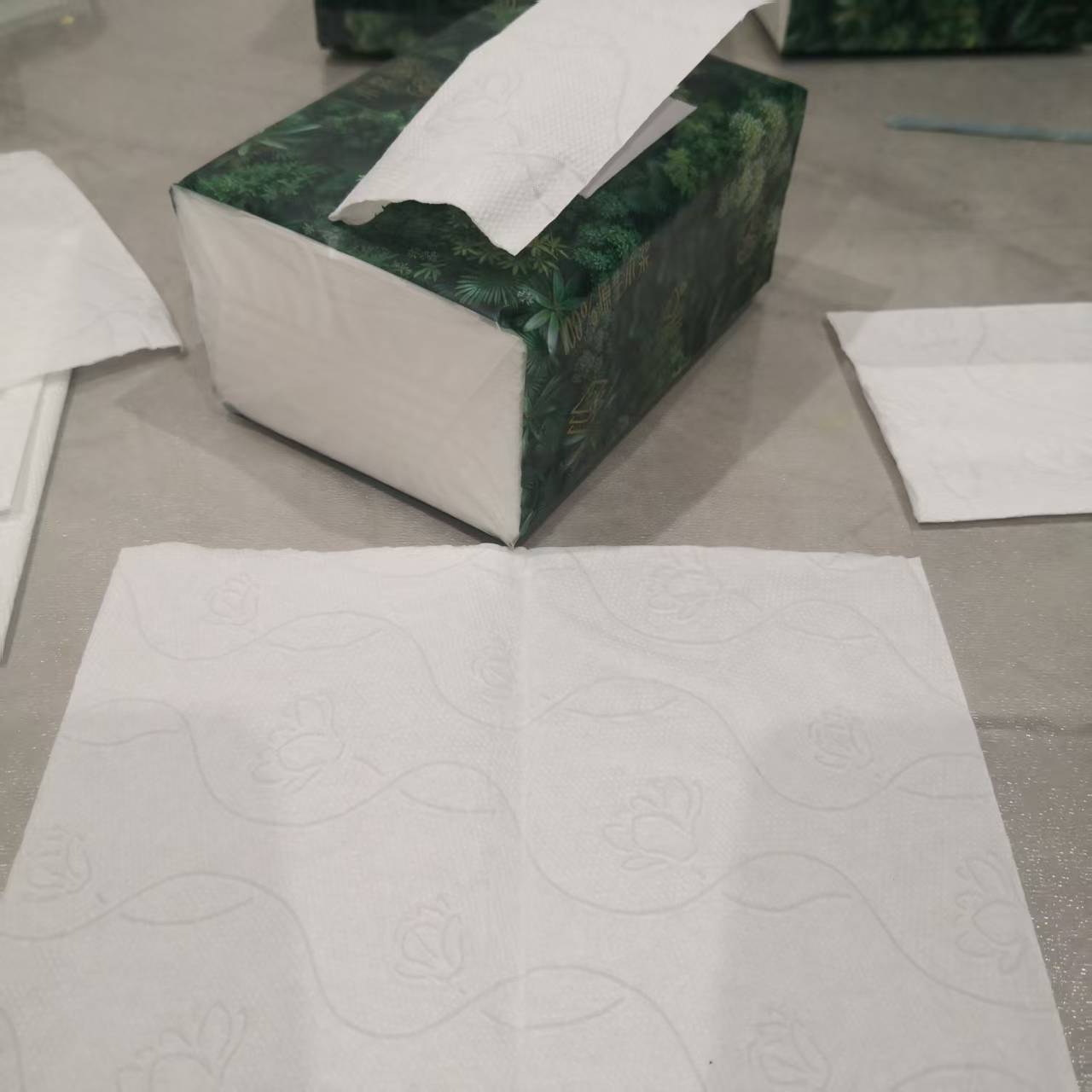
13 GSM vs 15 GSM: The Industry Standards
Selecting between 13 GSM and 15 GSM allows distributors to optimize either for maximum roll length in high-traffic commercial settings or superior tactile thickness in premium retail markets.
13 GSM serves as the engineering benchmark for high-traffic environments where cost-efficiency and roll length dictate procurement decisions. This specific weight provides a lightweight but functional foundation for jumbo rolls and bulk facial tissues used in airports, malls, and public facilities. By maintaining this grammage, manufacturers maximize the meters per roll without exceeding the dimensions of standard dispensers. Top Source Hygiene applies this standard to multi-ply toilet paper and commercial facial tissues to balance softness with raw material cost control for massive bulk orders.
| Performance Metric | 13 GSM (Value Standard) | 15 GSM (Premium Grade) |
|---|---|---|
| Primary Target Market | Public Facilities / Commercial Bulk | Luxury Hospitality / Boutique Retail |
| Tensile Strength | Standard; Optimized for V-fold | High; Superior wet-tear resistance |
| Fiber Density | Lower; Focused on yield per ton | Higher; Focused on absorption |
15 GSM Requirements for Premium Comfort
Increasing the grammage to 15 GSM significantly alters the thickness and absorbency of the paper, positioning it as the standard for luxury retail and high-end hospitality sectors. This weight offers a noticeably thicker hand-feel that meets consumer expectations for 3-ply and 4-ply premium facial tissues. The higher density improves the tensile strength of the fibers, which prevents tearing when wet and increases the total liquid absorption capacity. Hospitality clients often specify 15 GSM for custom-branded products to drive guest satisfaction through superior tactile quality.
- Higher grammage improves the tensile strength of the paper, preventing tearing when wet and increasing overall absorption capacity.
- 15 GSM paper offers a noticeably thicker hand-feel, which aligns with consumer expectations for premium facial tissues.
- Hospitality clients often select 15 GSM for custom-branded products to boost guest satisfaction scores through improved tactile quality.
Technical Performance and Absorbency Comparisons
The selection between 13 and 15 GSM directly influences the structural integrity and long-term user experience. 15 GSM products often require fewer sheets per use because the denser fiber network manages moisture more effectively, which can reduce total waste in residential settings. Conversely, 13 GSM paper allows for higher manufacturing speeds and increased production volumes, supporting a monthly capacity of 2,860 tons at the Baoding hub. Precision calibration at our Mancheng factories ensures both weights meet international durability standards across various ply configurations.
- 15 GSM products typically require fewer sheets per use due to the denser fiber network, potentially reducing overall waste in residential settings.
- 13 GSM paper allows for faster manufacturing speeds and higher production volumes, supporting a 2,860-ton monthly capacity.
- Precision calibration at the Mancheng factories ensures that both weights meet international standards for durability and softness.
Scale Your Brand With Custom Tissue
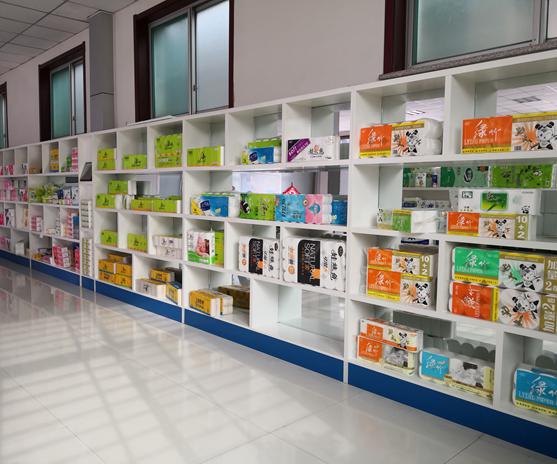
How GSM Affects Ocean Freight Weight
GSM determines the pivot point between a volume-limited and a weight-limited container, directly impacting the landed cost per unit in global tissue distribution.
Calculating Total Cargo Mass Based on Grammage
GSM ratings act as the primary variable in determining the gross weight of a paper shipment. Since GSM measures the density of the paper, higher values like 15-17 GSM significantly increase the weight of each individual roll compared to standard 13 GSM options. logistics teams calculate the total shipment mass by multiplying the GSM by the total surface area of the paper across all rolls packed in the container.
Accurate weight projections prevent discrepancies during port weighing. These errors often lead to delays or additional handling fees at the terminal. We track these metrics precisely to ensure that the declared weight on the Bill of Lading matches the physical reality of the cargo, streamlining the customs clearance process for our international partners.
| GSM Specification | Avg. 40’HQ Payload | Logistics Strategy |
|---|---|---|
| 12.5 – 13.5 GSM | 19,000 – 21,000 kg | Volume-Limited: Maximize pack count. |
| 15.0 – 16.0 GSM | 24,000 – 26,000 kg | Balanced: Optimal weight/volume ratio. |
| 17.0+ GSM | 27,000 – 28,500 kg | Weight-Limited: Heavy cargo surcharges apply. |
Optimizing 40’HQ Container Capacity
Top Source Hygiene utilizes 40’HQ containers as the standard shipping unit, requiring a careful balance between weight and volume. High-GSM products provide a premium feel but often reach the maximum weight capacity of a container—typically 26 to 28 tons—before the physical space is filled. This “weighing out” scenario means the container remains partially empty by volume, yet cannot legally carry more mass.
Lower GSM products, such as cost-effective 13 GSM tissue for African or Asian markets, allow for higher volume density. These shipments usually “cube out,” meaning the physical space is filled before hitting weight limits. Strategic loading plans in focus on maximizing the number of rolls per shipment to lower the per-unit freight cost, ensuring the highest possible ROI for bulk importers.
Logistics Costs and Regional Weight Restrictions
Ocean freight logistics involve varying weight regulations and pricing structures depending on the destination port. North American and European routes often enforce strict road weight limits for the final mile delivery. This makes GSM selection critical for legal inland transport; a container that is legal at sea might be overweight on a US highway, triggering expensive transloading requirements.
- Heavyweight shipments using high GSM paper may incur “heavy weight” surcharges from shipping lines if the container exceeds standard thresholds.
- We analyze the trade-off between paper thickness and shipping efficiency to help clients maintain competitive retail pricing.
- Precision interfolding and high-compression bundling techniques help mitigate volume issues in high-GSM shipments.
Customizing the GSM allows distributors to hit specific target prices. By micro-adjusting the grammage and sheet dimensions, we engineer products that fit within regional logistical sweet spots, avoiding unnecessary surcharges while maintaining the “Pure Quality” standard of our 100% virgin wood pulp.
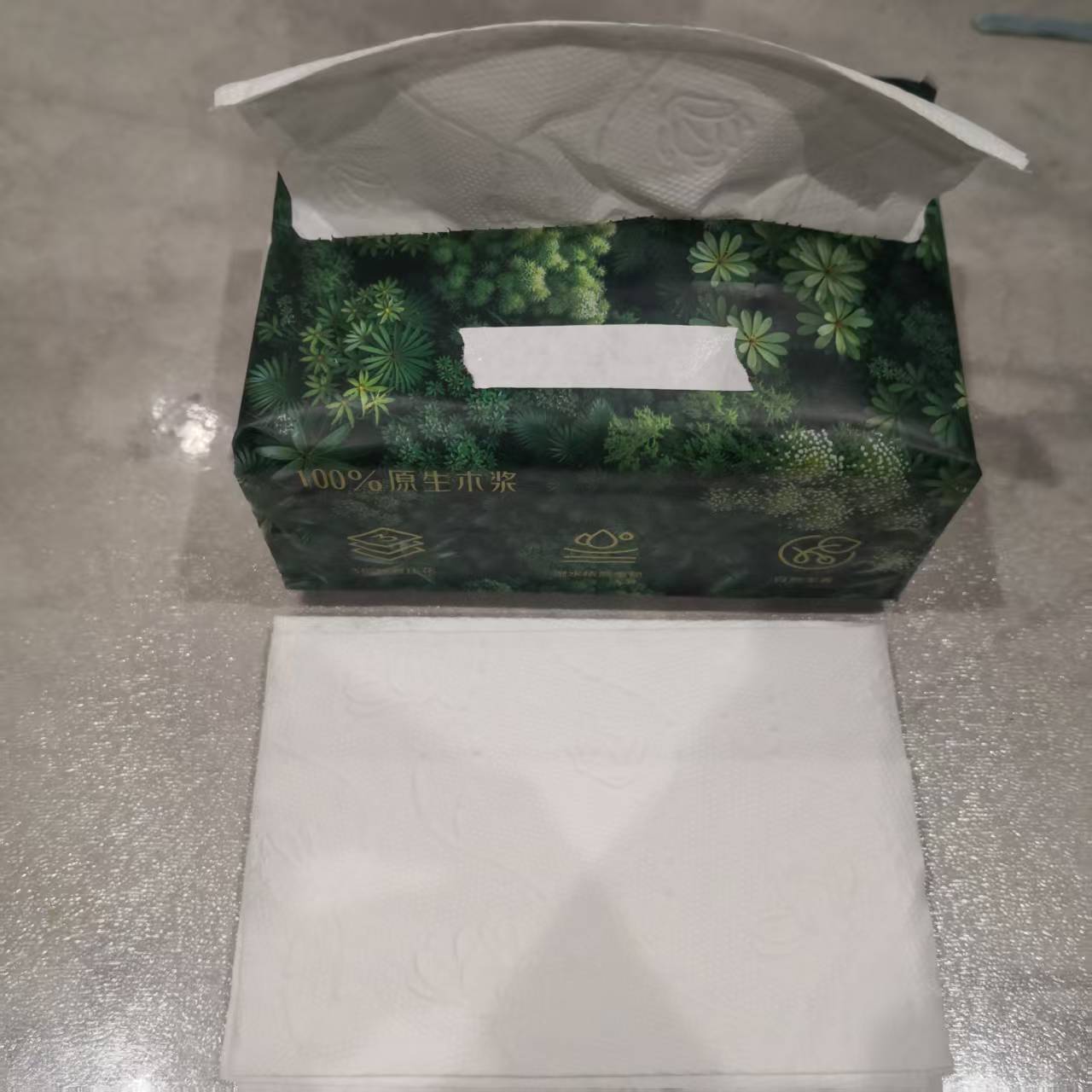
Caliper Thickness vs Grammage
Distinguishing between mass and bulk allows distributors to optimize for both premium hand-feel and shipping density in 2026’s competitive tissue market.
Defining Grammage and Caliper in Paper Production
Understanding the technical distinction between weight and physical thickness is essential for specifying high-quality paper products. Grammage refers to the mass of the paper per unit area, measured in grams per square meter (GSM), which dictates the total material used during the manufacturing process. Conversely, caliper measures the actual thickness of a single sheet, typically expressed in microns or mils, and determines the physical bulk of the final product.
Top Source Hygiene uses precision laser measurement systems in its two factories to ensure that both metrics remain consistent across large-scale production runs. We monitor these variables in real-time to prevent the deviations that often plague lower-tier manufacturers, ensuring that a 15 GSM sheet maintains its specified thickness from the first roll to the last in a 40HQ container.
The Relationship Between Density and Sheet Bulk
Weight and thickness do not always move in tandem. Manufacturing processes like calendaring significantly alter the final feel of the tissue by compressing fibers. High-grammage paper can be compressed through heavy calendaring to create a thin, dense, and exceptionally strong sheet suitable for specific industrial applications or 5-ply ultra-premium tissues.
- Low-density manufacturing techniques allow us to produce high-caliper tissue that feels thick and soft without excessively increasing the GSM.
- We adjust fiber orientation and pressing pressure to achieve specific “hand-feel” requirements requested by global OEM partners.
- Our “Aslike Cloth Tough” texture relies on balancing bulk with 100% Virgin Wood Pulp to maintain softness without sacrificing tensile strength.
Impact of Caliper on Product Performance and Absorbency
The physical thickness of the sheet directly influences how much liquid a paper towel or facial tissue can hold. Higher caliper levels generally provide more space between the 100% Virgin Wood Pulp fibers, which increases the rate of liquid absorption. This “void volume” is what allows premium tissues to trap moisture effectively during use.
Facial tissues with increased thickness offer better protection and a more premium perception for hospitality brands in North America and Europe. Top Source Hygiene tests every batch for the ideal balance between thickness and tensile strength. This ensures that even our high-bulk products, such as the TSH-6125 Mother & Baby series, remain durable and do not tear or leave paper scraps behind when saturated.
Logistical Considerations for High-Caliper Products
Physical dimensions play a critical role in determining the efficiency of global shipping and warehouse storage. Increased caliper results in larger roll diameters and thicker soft packs, which can reduce the total number of units that fit into a standard 40-foot high-cube container. For distributors in Africa and South America, where freight costs significantly impact the landed price, managing this bulk is a primary concern.
We provide detailed technical specifications to help clients calculate the most cost-effective balance between paper thickness and shipping volume. Our logistics team optimizes packaging configurations, utilizing high-compression master poly bundling for our soft pack series. This allows us to maximize the 7,000kg to 9,000kg payload of a 40HQ container, ensuring high-bulk products remain protected and uncrushed during the 15-25 day transit from Tianjin Xingang Port.
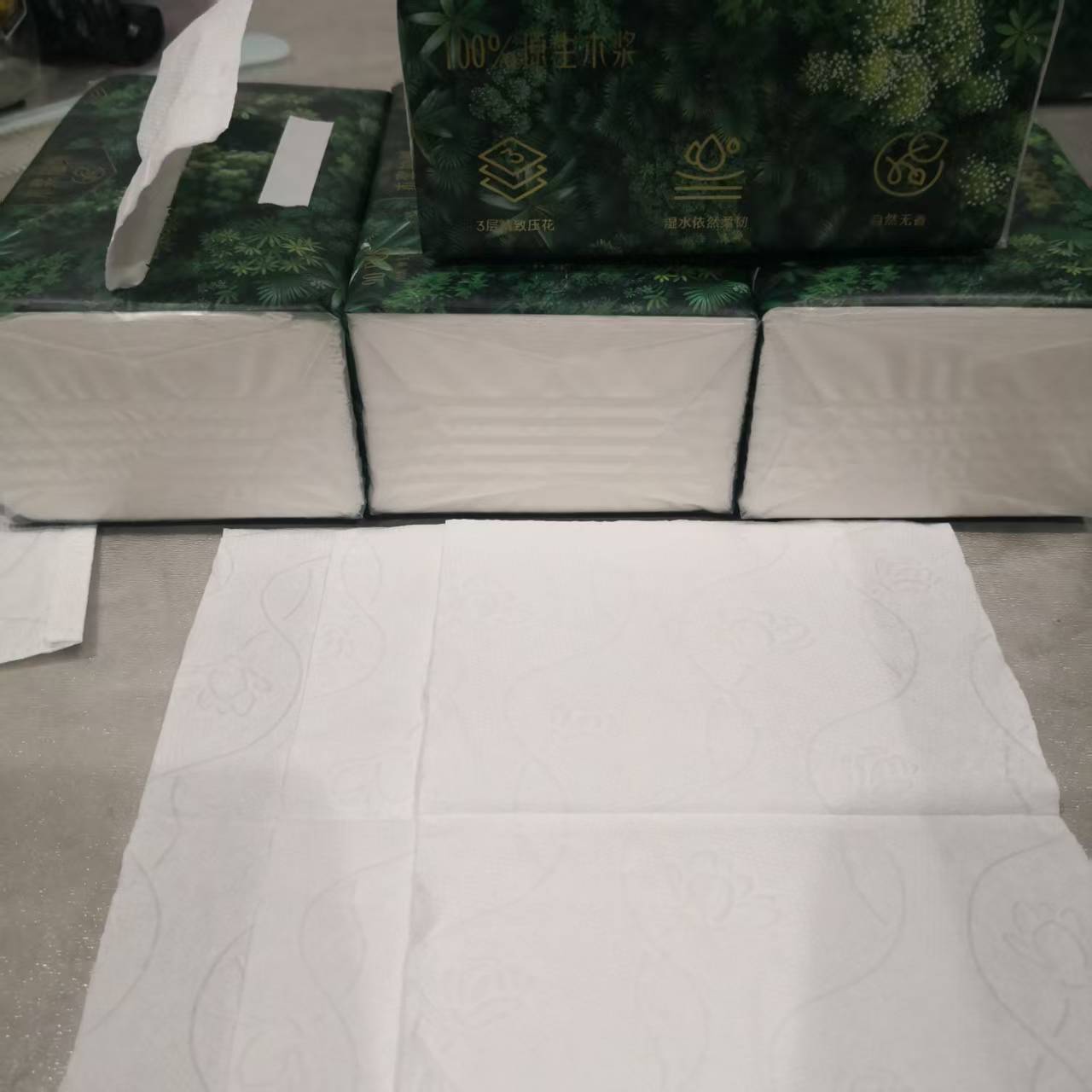
Specifying GSM for Custom OEM Orders
Adjusting Grams per Square Meter (GSM) allows brand owners to engineer products that balance high-end tactile softness with the structural integrity required for heavy-duty commercial or retail use.
Successful OEM procurement starts with defining the product weight based on specific market performance goals. Top Source Hygiene enables clients to calibrate wood pulp density to match retail tiers, from budget-friendly commercial rolls to ultra-premium 5-ply facial tissues. We focus on 100% virgin wood pulp, which provides the necessary long-fiber strength to maintain high absorption rates even at lower grammages.
| Ply Configuration | Standard GSM Range | Target Application |
|---|---|---|
| 2-Ply Standard | 12.5 – 13.5 GSM | Commercial & High-Traffic Value |
| 3-Ply Premium | 14.0 – 15.0 GSM | Global Retail & Supermarket Packs |
| 4-Ply Luxury | 15.0 – 16.0 GSM | Boutique Hotels & GCC Markets |
| 5-Ply Ultra-Premium | 16.5+ GSM | Maternal, Infant & Dry/Wet Use |
Calibrating Ply Count with Grammage Specifications
The relationship between ply count and GSM determines the final thickness and durability of the tissue. In our Hebei manufacturing facility, we offer configurations from 2-ply to 5-ply. Increasing the ply count often allows for a lower individual sheet weight while creating a thicker, more luxurious feel through lamination. We use automated monitoring to ensure each of the 2,860 tons produced monthly meets these exact specifications without deviation.
- Edge-embossing and high-pressure lamination bond multiple layers to prevent separation.
- Long-fiber pulp selection improves tensile strength across all GSM settings.
- Precision interfolding ensures smooth one-at-a-time dispensing regardless of sheet thickness.
Aligning GSM with Regional Compliance Standards
Different global regions have distinct expectations for paper weight. North American and European importers typically specify higher GSM for FSC-certified products to satisfy premium retail standards. Conversely, high-volume distributors in Asia and Africa often request durable, mid-range GSM to balance user comfort with shipping efficiency and lower unit costs. We verify every custom setting against regional hygiene requirements, including FDA and EU safety standards.
Verifying Grammage through Custom Prototyping
Brand owners need tangible proof before committing to a 40HQ container. We produce custom samples within 10 days, allowing for precise evaluation of weight, texture, and absorbency. Our laboratory measures the tensile strength of these specific GSM formulations to guarantee that the mass-produced order matches the approved prototype. This rigorous checking process is built into our standard 15-25 day production lead time, protecting your brand reputation and capital.
Conclusion
Selecting the right GSM balances paper strength with cost-efficiency and logistics performance. These technical specifications allow you to meet local market standards while optimizing 40HQ container payloads. Proper grammage management ensures your private label products offer consistent quality and competitive pricing.
Evaluate your current tissue specifications to see where GSM adjustments could improve your margins. Contact us today for a technical consultation or to request a sample pack of our standard 13-15 GSM configurations.
Frequently Asked Questions
What does GSM mean in tissue paper?
GSM stands for Grams per Square Meter. It is the global industry standard for measuring the density and weight of paper products. In the context of tissue paper, GSM determines the thickness, absorbency, and overall durability of the sheet. A higher GSM indicates a heavier, denser paper, while a lower GSM signifies a thinner, more lightweight product.
What is a good GSM for facial tissue?
For high-quality facial tissue, a “good” GSM typically falls between 13 and 18 GSM per ply. For a standard 2-ply tissue, a total combined weight of 28 to 32 GSM is considered premium, offering a balance of strength and skin comfort. Luxury 3-ply tissues may reach a total weight of 40 to 45 GSM to provide superior thickness and absorbency.
How to calculate tissue paper weight?
To calculate the GSM of tissue paper, use the formula: Weight (grams) / [Length (meters) x Width (meters)]. For example, if a single sheet of tissue weighs 0.5 grams and measures 0.2m x 0.2m, the calculation is 0.5 / 0.04, resulting in 12.5 GSM. In a production environment, this is often measured using a precision digital scale and a standard 10cm x 10cm sample cutter.
Is higher GSM tissue paper softer?
Not necessarily. Higher GSM increases the strength and “bulk” of the tissue, but softness is primarily determined by the fiber composition (such as virgin wood pulp vs. recycled fiber), the creping process (mechanical micro-folding), and the application of softening agents or lotions. While a higher GSM 3-ply tissue may feel “cushier,” an excessively high GSM without proper micro-creping can actually make the paper feel stiff.
Standard GSM for 2-ply facial tissue?
The industry standard for 2-ply facial tissue is generally between 13.5 and 15 GSM per ply, totaling 27 to 30 GSM for the finished product. Budget-tier 2-ply tissues may drop to 12 GSM per ply (24 GSM total), while high-end professional or “ultra-soft” 2-ply brands often utilize 16.5 to 18 GSM per ply (33 to 36 GSM total) to ensure the tissue does not tear during use.