Skip to content

Lint Testing (QA) serves as the critical barrier between a high-quality clinical supply and a contaminated batch that poses risks to patient safety or lab precision. In medical and electronics manufacturing settings, loose fibers cause respiratory irritation and mechanical failures, leading to costly product recalls and the loss of lucrative B2B contracts. Factories must implement rigorous inspection protocols to ensure every tissue meets the low-lint specifications required by high-stakes professional environments.
This guide examines the industry-standard procedures used to quantify and control fiber shed, including dry tumbling methods and airborne particle counting. We also look at the role of calendering in binding loose fibers and how procurement teams can set precise technical requirements for their orders. These steps provide a clear roadmap for maintaining the structural integrity of tissue products from the production line to the clinical floor.
The Danger of Lint in Clinical Settings
In modern clinical protocols, particulate contamination from low-grade paper products represents a high-risk vector for hospital-acquired infections and mechanical failure in life-support equipment.
Surgical Site Infections and Patient Safety
Surgical site infections (SSIs) remain a primary concern for hospital administrators. Lint particles function as foreign bodies, triggering inflammatory responses when they enter open wounds during procedures. By 2026, clinical data confirms that these loose fibers often carry microorganisms, effectively bypassing traditional sterile barriers and increasing post-operative complications.
- Substandard paper towels and drapes shed fibers that compromise the surgical field.
- Particulate matter serves as a direct transport mechanism for bacteria into patient tissue.
- Reducing lint shedding correlates with better patient outcomes and lower infection rates.
Medical Device Malfunction and Diagnostic Interference
Medical hardware suffers when exposed to airborne fibers. Microscopic lint interferes with the precision of sensitive equipment, leading to mechanical failure or increased maintenance requirements. Ventilators and infusion pumps are particularly vulnerable to fiber accumulation, which can obstruct airflow or jam moving parts.
- Lint accumulation in delicate machinery drives up repair costs and equipment downtime.
- Airborne particles in diagnostic laboratories contaminate samples, leading to false results.
- Healthcare facilities prioritize hygiene products that protect their investment in high-tech hardware.
Compromised Sterility in Healthcare Environments
Maintaining a sterile environment is impossible with paper products that shed fibers during use. Standard retail tissues release fragments that settle on instruments and surfaces, negating the effectiveness of rigorous cleaning efforts. Maintaining environmental purity requires materials that do not contribute to the room’s particulate load.
- Retail-grade paper products often contaminate sterile surfaces immediately after cleaning.
- Top Source Hygiene utilizes bound-fiber technology in specialized tissues to ensure purity.
- Strict particulate counting protocols now drive the selection of clinical-grade paper products.
Regulatory Shifts Toward Validated Low-Lint Standards
Healthcare organizations now demand documented proof of low-linting properties to meet updated safety compliance standards. Quality assurance teams increasingly require manufacturers to provide results from dry tumbling and airborne particle tests before approving procurement contracts. These validated standards ensure that clinical products meet rigorous 2026 safety benchmarks.
- Standardized testing results are mandatory for medical-grade paper product approval.
- Disposable low-lint products help facilities balance sterility with cost-effective waste management.
- Manufacturers align production with ISO standards to meet tightening particulate limits.
The Dry Tumbling Test Method Explained
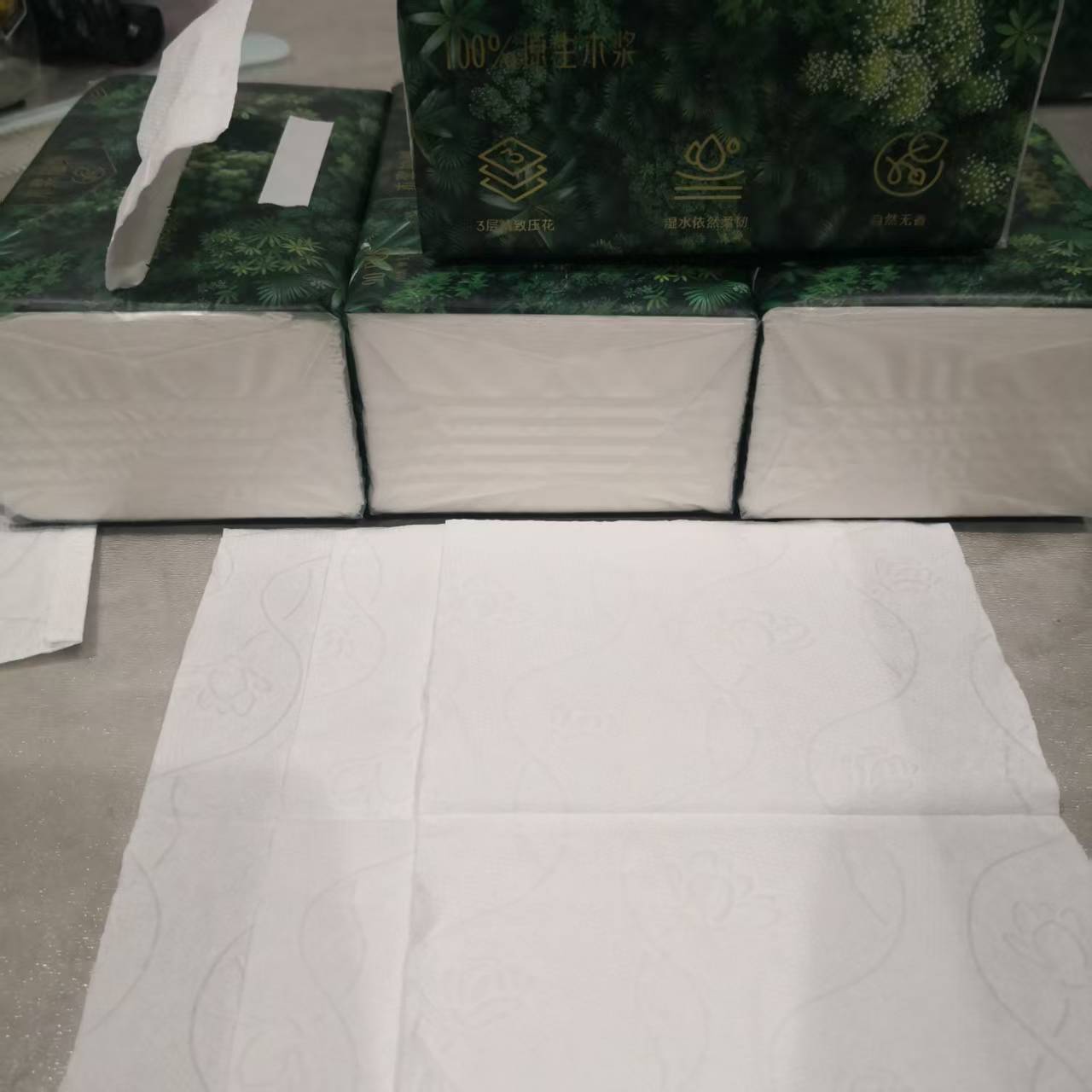
We use standardized dry tumbling to quantify fiber release under mechanical stress, ensuring our facial tissues maintain surface integrity in sterile and high-traffic professional environments.
Measuring Particle Shedding and Pilling
Our quality assurance teams use the dry tumbling method as a baseline protocol to measure how many microscopic particles detach from a paper substrate. Unlike static tests, this method evaluates the tissue’s surface integrity while in motion, identifying the specific point where fibers begin to pill or shed. This data allows us to predict how our 100% Virgin Wood Pulp products will perform in sensitive clinical spaces or controlled laboratory settings without causing respiratory irritation or contaminating sensitive workspaces.
| Testing Metric | Conventional Mixed Pulp | TSH 100% Virgin Wood Pulp |
|---|---|---|
| Lint Index Metric (mg/m²) | > 1.5 mg/m² | ≤ 0.5 mg/m² |
| Fiber Length Consistency | High Variance (Dusty breakdown) | Uniform Long-Fiber Matrix |
| Surface Integrity Profile | Prone to aggressive pilling | Aslike Cloth Toughness standard |
Simulated Mechanical Stress Protocols
This test replicates the friction that occurs when users extract tissues from high-speed dispensers or handle them in active clinical environments. We place material samples in a specialized cylindrical chamber for high-speed rotation, mimicking the mechanical stress faced during daily handling. We execute this test without moisture to focus specifically on dry fiber breakage and the inherent bond strength of the material.
- We identify structural weaknesses in paper ply layers before the products enter the global supply chain.
- Testing focuses on the internal strength of 3-ply to 5-ply configurations to prevent layer separation.
- Our Hebei loading teams use these results to verify that high-compression packaging does not compromise fiber integrity.
Automated Data Acquisition and Compliance
Our manufacturing facilities integrate automated particle analysis systems to increase measurement precision. High-resolution sensors count particles in real-time as they detach from the substrate during the tumbling cycle. Adhering to dry tumbling protocols allows us to meet the strict cleanliness requirements of international medical sectors in North America and Europe, ensuring hygiene compliance for shipments across our 2,860-ton monthly capacity.
- Digital color and microsensor data logs ensure consistent surface purity tracking across runs.
- Testing loops verify that our specialized tissues remain completely safe for clinical maternal and infant care lines.
- Standardized protocols provide wholesale buyers with verifiable certificates to accelerate customs clearance audits.
Airborne Particle Counting Protocols
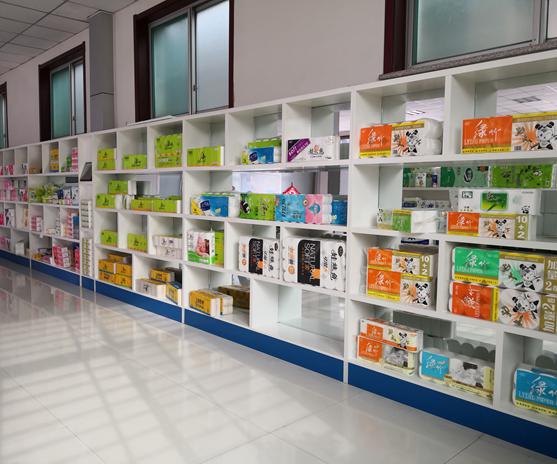
Airborne particle monitoring transforms lint control from subjective visual checks into quantifiable data, ensuring that high-speed tissue conversion meets the zero-contamination requirements of modern clinical sectors.
ISO Standards for Manufacturing Environments
Production facilities for Top Source Hygiene align with ISO 14644-1 standards to maintain strict cleanliness during the conversion and packaging of 100% virgin wood pulp tissues. By classifying cleanroom zones based on the concentration of particles 0.5 μm and larger, we eliminate the risk of microscopic fiber fragments contaminating medical-grade orders. Calibrated light-scattering counters verify air quality across every production shift, providing the empirical data required for regional hygiene compliance.
| Cleanroom Class (ISO 14644-1) | Max Particles (≥0.5 μm/m³) | Tissue Production Application |
|---|---|---|
| ISO Class 5 | 3,520 | Aseptic packaging for surgical-grade wipes |
| ISO Class 7 | 352,000 | High-speed converting for medical facial tissues |
| ISO Class 8 | 3,520,000 | Standard premium B2B tissue slitting zones |
Sampling Site and Frequency Selection
Quality control teams utilize risk-based assessments to determine measurement frequency and location. We implement grid-based sampling patterns to capture representative data across the entire factory floor, with a heavy focus on high-friction zones. Critical sampling points are situated near high-speed slitting and folding machines, where mechanical shear on the paper web is most likely to generate lint particles.
- Monitoring frequency increases during the production of medical-grade facial tissues and hospital hand towels.
- Sampling occurs at both the machine operator level and at the ceiling-mounted filtration return vents.
- Daily audits ensure that even the highest-capacity hanging packs, such as the TSH-6705-2, maintain surface purity.
Real-Time Monitoring, Alert and Action Thresholds
Modern facilities combine portable handheld units for spot checks with fixed continuous sensors to track long-term air quality trends. Fixed sensors at the discharge point of air filtration systems monitor HEPA efficiency 24/7. When transitioning raw materials—such as moving from standard pulp to alternative grass fibers—handheld checks identify immediate changes in particle shedding, automatically logging data loop profiles. Establishing specific particle count limits allows operators to intervene before contamination impacts product batches, executing rapid machine pauses or air purges if numbers breach the upper safety parameters.
Calendering Solutions to Bind Loose Fibers
Precision calendering transforms loose 100% virgin wood pulp into a structurally sound web by utilizing thermal-mechanical bonding to lock surface fibers and eliminate particulate shedding.
Modern calendering processes use precise heat and mechanical pressure to fuse loose fibers into a stable matrix. By passing the paper web through high-pressure metal rollers, we flatten surface fuzz and lock down stray fragments, which is critical for specialized tissue models like the TSH-4702-3 wide-format series. Engineered roller profiles work in tandem with multi-ply sheet tracks to secure absolute alignment, preventing internal delamination layers from releasing dust during user extraction.
To maximize output safety while minimizing operational cost parameters, the manufacturing line utilizes advanced industrial controls:
- Induction Heating Technology: Provides ultra-fast thermal responses and completely uniform heat distribution across roller widths, ensuring consistent fiber locking without brittle degradation.
- Optical Scanning Systems: Calibrated laser inspection cameras scan the web in real-time, detecting loose fibers or micro-fuzz before the rolls advance to packaging phases.
- Automated Pressure Loops: Machinery automatically micro-adjusts nip loading weights across shifts, locking surface particles firmly to protect global distribution standards.

Specifying Low-Lint B2B Orders
Standardizing low-lint procurement requires shifting from subjective hand-feel metrics to measurable particulate data points using validated laboratory protocols and precision manufacturing controls.
Procurement teams in the pharmaceutical and medical device sectors must move beyond vague “dust-free” descriptions. Effective Requests for Quotation (RFQ) now mandate specific laboratory protocols like the Helmke drum test or gravimetric analysis to quantify fiber release. We provide detailed data for high-GSM virgin wood pulp products to ensure they meet the rigorous demands of ISO Class 5 or Class 7 cleanrooms, where even microscopic cellulose fragments can compromise sterile environments or sensitive electronics.
| Specification Parameter | Standard Commercial Grade | Low-Lint B2B Standard |
|---|---|---|
| Raw Material Source | Mixed Recycled / Short Filler Fiber | 100% Virgin Wood Pulp (Long-Fiber Matrix) |
| Surface Processing | Standard Mechanical Softening | Calendering & Thermal-Mechanical Bonding |
| Quality Testing Protocol | Subjective Visual / Rub verification | Gravimetric Analysis / Dry Tumbling Test Log |
To maintain consistency across large-scale global orders, specifications should define maximum allowable particle counts per square meter. Beyond chemical purity, the cleanest tissue product can become contaminated during transit if logistics parameters are insufficient. For clinical and laboratory applications, we implement a strict multi-layer packaging protocol:
- Mandatory poly-wrap or vacuum-sealed bagging for specialized TSH-6125 models destined for sensitive healthcare settings to prevent dust infiltration.
- Integration of lint-free inner cores for industrial jumbo rolls to completely eliminate cardboard particle friction during dispenser rotations.
- Palletization locking parameters using reinforced corner boards and high-gauge shrink-wrap skins to prevent friction-induced linting between master cartons during sea transit corridors.
B2B contracts for low-lint products must include clauses for batch traceability and third-party certifications. Every 40HQ container shipment we dispatch includes a Certificate of Analysis (CoA) confirming adherence to ISO 9001 and FDA standards. This transparency provides our distributors with the necessary evidence to satisfy hospital procurement audits and industrial safety inspections smoothly.
Conclusion
Rigorous lint testing through dry tumbling and airborne particle counting ensures facial tissues meet the strict hygiene standards required for clinical and professional environments. These protocols, combined with precision calendering and 100% virgin wood pulp sourcing, prevent loose fibers from compromising air quality or patient safety. Implementing these quality assurance measures helps facilities maintain a dust-free setting while protecting sensitive environments from airborne contaminants.
Procurement teams should review current lint specifications to ensure they align with the specific needs of high-sensitivity areas. Contact Top Source Hygiene to request technical data sheets or a sample pack of OBA-free, low-lint tissue for clinical evaluation.
Frequently Asked Questions
How to test tissue paper for dust?
Testing for dust and particulates is typically conducted using the Gelbo Flex method, where tissue samples are subjected to repetitive twisting and compression cycles within a controlled chamber. Specialized airborne particle counters then measure the quantity and size of released fibers. In field settings, a \”Black Surface Test\” is used, where the tissue is mechanically agitated over a high-contrast dark substrate and the resulting residue is analyzed via optical densitometry or microscopic inspection.
What causes lint in facial tissue?
Lint is primarily caused by the release of short cellulose fibers that are not securely integrated into the paper’s structural matrix. Key drivers include the use of low-grade recycled pulp with high \”fines\” content, excessive mechanical creping (the process used to create softness which can fracture fibers), and dull slitting blades during the converting process that tear rather than cleanly cut the edges of the tissue.
Low lint tissue manufacturing process?
Manufacturing low-lint tissue involves utilizing long-fiber virgin softwood pulp and employing Through-Air Drying (TAD) technology, which reduces the need for aggressive mechanical creping. During production, specialized wet-strength resins and debonders are applied to optimize fiber bonding. Furthermore, high-capacity vacuum systems are installed at all slitting and folding stations to capture loose particulates before the product is sealed.
Dry tumbling test for paper?
The dry tumbling test, often standardized as the Gelbo Flex Test (ASTM F392), evaluates the durability and linting propensity of paper materials. The sample is placed in a flex-tester that applies a combined twisting and horizontal motion, simulating real-world handling. An airborne particle counter monitors the air within the test chamber to quantify the number of particles (typically sized 0.3 to 25 microns) shed by the material during the agitation cycle.
Medical grade low lint facial tissues?
Medical-grade low-lint tissues are specialized wipers engineered to minimize particulate contamination in clinical and sterile environments. These tissues are critical for preventing surgical site infections and maintaining the integrity of medical devices. They are typically produced in ISO-certified facilities, utilize multi-ply virgin fiber constructions for strength, and are often packaged in polyethylene dispensers to eliminate the dust common with traditional cardboard packaging.