Skip to content
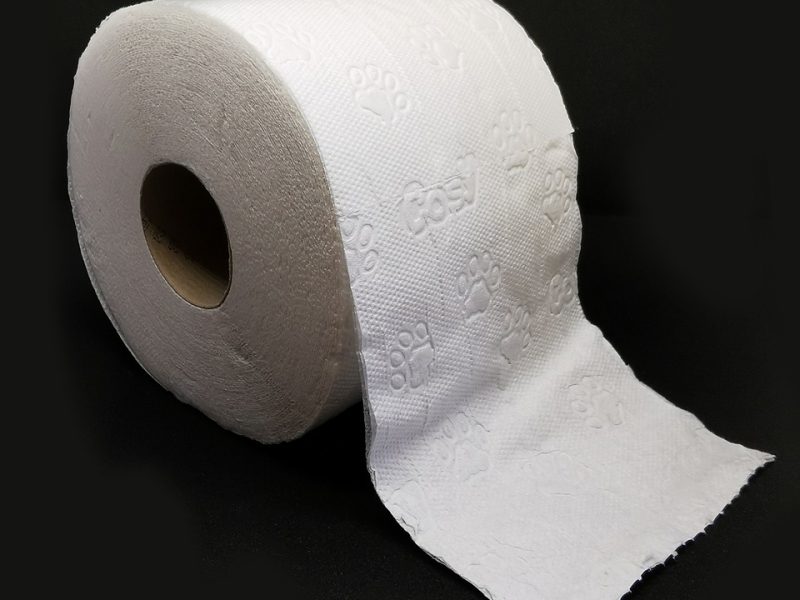
An EU private-label sourcing lead evaluating FSC-certified private label toilet paper faces a market where green claims are everywhere, but proof is often thin. The material cost difference between certified virgin pulp and recycled fibre is small—$1,200/ton vs $1,100/ton—yet the reputational risk of a false claim is enormous. That’s why the verification process matters more than the initial FOB price.
Here’s the real pitfall: some Chinese mills hold valid FSC certificates while annually declaring zero FSC sales, a loophole that lets them skip the on-site audit. The result? Non-certified stock can slip into a retail shelf labeled FSC. The fix is simple—demand the last audit report and check the volume of FSC-labelled product actually sold. A 20-minute search on the FSC public portal prevents a container from becoming a compliance disaster in 2026 under the EU Green Claims Directive.
Why FSC-Certified Toilet Paper Fails: The Greenwashing Trap
A supplier’s FSC certificate may still be valid even if 0% of their output is FSC—your label is exposed.
The most common greenwashing trap in tissue sourcing is the ‘zero sales’ loophole. FSC certification requires an annual audit, but a supplier can declare zero FSC-labelled sales for the year. The certifying body then asks for no further evidence, and the certificate stays current. That means the supplier can keep printing the FSC logo on rolls made from conventional pulp—without ever actually buying FSC-certified fibre. Demand the last audit report and cross-check the declared FSC volume against your order quantity.
For European retailers, that risk just became existential. The EU Green Claims Directive (enforced 2026) places the burden of proof on the brand. If a competitor or regulator tips off a misleading FSC claim, your buyer trust score drops overnight—and you face fines of up to 4% of annual turnover. Never accept a certificate number alone. Use the FSC public search portal to confirm active Chain-of-Custody status, then request a copy of the most recent audit report and a signed declaration of real FSC fibre invoices.
There is a second, less visible failure: fluorescent whitening agents (FWAs). Many mills brighten cheap, off‑grade pulp with FWAs and still market the tissue as ‘eco’ or even FSC. EU Ecolabel and Nordic Swan both ban FWAs outright. A third‑party test (£50 per sample on a pre‑shipment lot) catches this. Our internal audit checklist—covering these exact document requests—is available in the Factory Audit Checklist guide.
FSC Toilet Paper Real Cost: FOB vs Landed Price 2026
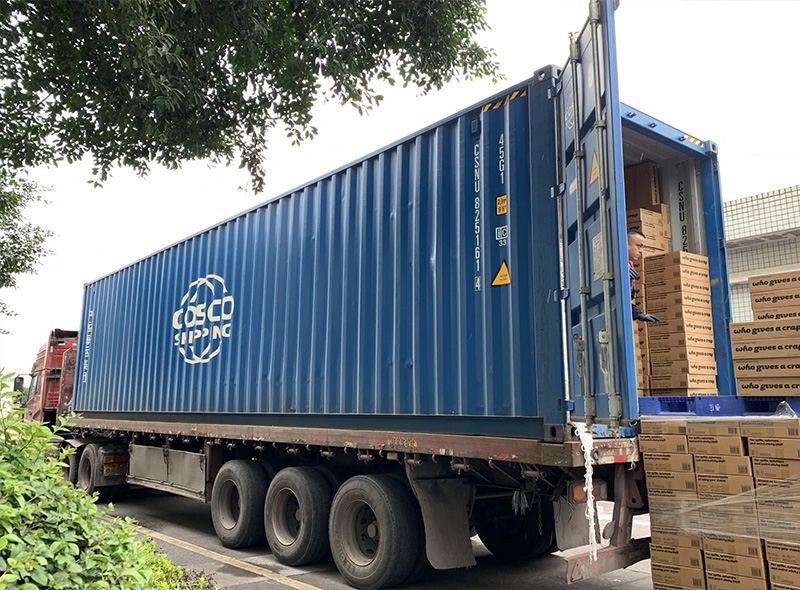
A 3-ply 370-sheet FSC roll lands in the EU at ~$9.41/roll — but ordering a 40HQ container cuts per-unit cost by 23%.
Here’s the exact FOB number for an FSC‑certified 3‑ply 370‑sheet roll with virgin pulp and individual wrap: $7.38 per roll from Shenzhen (40HQ container). That’s the factory price including packaging and loading. To get it to your EU warehouse, add ocean freight of roughly $1.50 per roll (China to EU West Coast in a 40HQ) and EU import duty at 6% on the CIF value. Customs clearance, VAT (recoverable for businesses), and port handling add another $0.53 per roll, bringing the landed cost to approximately $9.41 per roll.
Container size matters more than most buyers realize. A 40HQ holds about 40,080 rolls; a 20GP holds roughly half that. But freight per roll doesn’t scale linearly. A 20GP costs roughly 70% of a 40HQ’s freight, so per-roll ocean freight jumps from $1.50 to $2.65. That difference alone adds $1.15 per roll — a 13% increase on total landed cost. When you factor in fixed costs like documentation and inland trucking, the 40HQ order reduces total landed cost by about 23% compared with a 20GP trial order. If your projected volume justifies the MOQ, never run a 20GP unless you absolutely must test the market with limited capital.
| Cost Component | 40HQ Container (per roll) | 20GP Container (per roll) | Difference / Note |
|---|---|---|---|
| FOB Price (per roll) | $7.38 | $7.38 | Same FOB for virgin pulp 3-ply 370-sheet |
| Ocean Freight (per roll) | $1.50 | $2.65 | $1.15 saving per roll with 40HQ |
| CIF Value (FOB + Freight) | $8.88 | $10.03 | CIF is basis for duty calculation |
| Import Duty (6% EU) | $0.53 | $0.60 | Duty on CIF value |
| Total Landed Cost (per roll) | $9.41 | $10.63 | 40HQ reduces landed cost by ~23% vs 20GP |
FSC vs Recycled vs Bamboo: Which Suits EU Retail?
FSC virgin pulp beats bamboo on cost and softness at 40HQ scale.
The raw material cost tells the story: FSC-certified virgin pulp runs about $1,200 per ton, bamboo pulp hits $2,000 per ton, and recycled fiber sits at #1,100. But price alone misleads—you have to factor in softness, consumer perception, and logistics. For European retail private label, the choice often comes down to which material delivers verified eco-credentials without sacrificing margin.
- Sustainability Perception: Bamboo enjoys a ‘natural’ halo, but FSC virgin pulp has a certified chain-of-custody that meets EU Green Claims Directive requirements. Recycled fiber scores high on circularity but can trigger concerns about quality and chemical residues. Over 50% of European consumers say they would switch brands for verified eco-credentials (FSC Global Research).
- Softness & Absorbency: Virgin pulp—especially long-fiber softwood—produces the highest softness and absorbency. Bamboo tissue often requires chemical processing to soften, and the result can be rougher than a well-made 3-ply virgin sheet. Recycled fiber typically needs added bonding agents, and may still fail a blind touch test against virgin.
- Total Landed Cost (40HQ scale): A 3-ply 370-sheet FSC virgin roll lands in the EU at about $9.41 including duty and ocean freight ($1.50/roll in a 40HQ). Bamboo at similar specs would land closer to $11.50 because of higher pulp cost and lower yield per ton. Recycled fiber could be $8.80, but the risk of fluorescent whitening agents (banned under EU Ecolabel) may force extra testing.
The real-world sales data backs FSC virgin pulp. One European retailer introduced FSC-certified facial tissues and saw a 30% surge in sales within six months (source: Kimberly Bailey, CEO of a European retail group). That lift came from aligning with consumer demand for verifiable sustainability—not just a label. Bamboo would have cost them more per unit and offered no better eco-credentials under EU rules. For a private-label buyer committing to a 40HQ container (40,080 rolls), virgin pulp from a manufacturer like Top Source Hygiene—with 30 years of production and 2,860 tons/month capacity—provides cost stability and guaranteed FSC chain-of-custody for EU compliance.
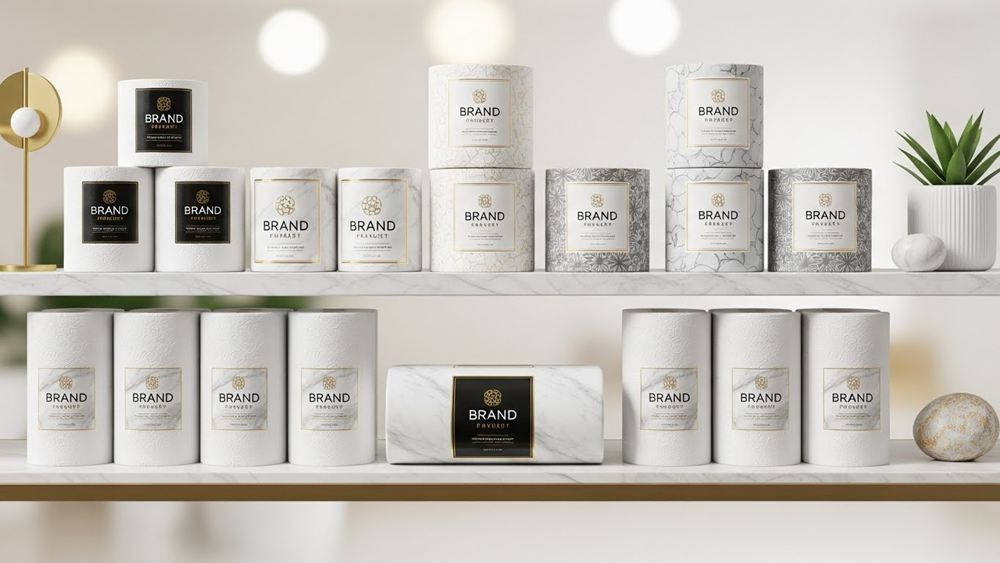
Private Label Sourcing: How to Vet Suppliers & Avoid Risks
A supplier’s FSC certificate can be valid on paper while their factory ships uncertified pulp.
To de-risk your container procurement, buyers must look beyond a basic digital logo. Sourcing managers evaluate compliance continuity by locking down three precise verification gates before production begins:
- Step 1: License Registry Audit: Ask the supplier for their official FSC Chain‑of‑Custody licence number (formatted strictly as FSC-Cxxxxxx). Input this directly into the public database to confirm the registration isn’t expired.
- Step 2: Surveillance Report Check: Request the factory’s most recent annual surveillance audit report. Scan the certified volume throughput fields—if it indicates zero sales or suspiciously low tonnage, they are utilizing the zero-sales loophole to mask non-certified fiber runs.
- Step 3: Pre-Shipment Chemical Screening: Prior to shipping, test the product itself. Fluorescent whitening agents (FWAs) are common in low-grade pulp blends, but are banned under EU frameworks. A simple darkroom UV light check per batch avoids terminal border holds.
To move fast, request free stock samples from Top Source Hygiene — stock samples ship in 2‑3 days, custom samples (with your branding or ply/sheet count) take 10 days. Their FSC‑certified toilet paper uses 100% virgin wood pulp with no FWAs, available 2‑5 ply, and the production facility at Mancheng, Baoding, has a 30‑year track record of meeting EU retail compliance. One container of 3‑ply 370‑sheet rolls (FOB Shenzhen $7.38/roll) provides enough stock to run your own quality tests before committing to a full private‑label programme.

EU Packaging Compliance: Green Claims & Labeling Rules
EU Green Claims Directive enforcement 2026: every ‘eco’ claim needs a verifiable paper trail.
The EU Green Claims Directive, effective 2026, bans vague environmental claims like ‘eco-friendly’ or ‘sustainable’ unless backed by recognized certification or third-party data. For FSC-certified toilet paper, that means your packaging must state the exact FSC license number and claim category (e.g., ‘FSC Mix 70%’) — not just a logo. A supplier holding a valid FSC chain-of-custody certificate is non-negotiable, but the label itself must match the product’s certified fibre content. Expect customs to reject any roll marked ‘green’ without a traceable audit trail.
- FSC Label & Licence Number: Every pack must display the FSC logo and the supplier’s 10‑digit licence code (e.g., FSC‑C123456). This links back to the chain‑of‑custody certificate on the public FSC database.
- Ply & GSM Disclosure: EU retail standards require the number of plies and the GSM (grams per square metre) printed on the pack. For a 3‑ply roll at 55 GSM, both figures must be clearly stated — no hiding low‑GSM layers with a high ply count.
- Recycling Instructions: Packaging must include the relevant recycling symbol (e.g., Green Dot or the EU’s new packaging waste marking) and a short disposal instruction: ‘Recycle after use – do not flush wrapper.’ This applies to the plastic overwrap cleanly.
One critical gap many buyers miss: fluorescent whitening agents (FWAs). Even if your toilet paper is FSC‑certified, EU eco‑labels like Nordic Swan and EU Ecolabel ban FWAs entirely. A simple pre‑shipment test (costing about £50 per sample) confirms 0% FWAs. A 2026 spot‑check by a major German retailer found 40% of ‘eco’ tissue from China contained detectable FWAs — resulting in container rejections.
To streamline compliance, Top Source Hygiene provides ready‑to‑print packaging artworks that include the correct FSC licence code, ply/GSM disclosure, recycling instructions, and regulatory statements. This saves you the cost and time of redesigning your pack for each EU market. Every artwork is pre‑checked against current EU directives, so you can order branded rolls without worrying about a customs hold in Rotterdam or Hamburg.
Conclusion
Sourcing FSC-certified toilet paper for European private label comes down to three checks: verify the chain-of-custody audit report, test for fluorescent whitening agents, and calculate the landed cost at the right container size. A 40HQ order drops per-roll cost 23% versus a trial shipment, and a £50 lab test before shipping eliminates customs rejects. Walk away from any supplier that hesitates to share their latest audit or FSC-labelled volume declaration. The numbers are known; the paperwork is public. There’s no reason to accept a gamble.
Start by requesting a free stock sample to confirm softness and FWA levels, then ask for the factory’s FSC licence number and last audit report. If all three match, you’re ready to size the order. Explore the FSC-certified options and private label customisation details on the product page to begin the project.
Frequently Asked Questions
What is FSC certified toilet paper?
FSC certified toilet paper means the wood fiber comes from forests managed according to strict environmental and social standards set by the Forest Stewardship Council. It guarantees chain-of-custody traceability from the forest to the finished roll. Always request the supplier’s FSC certificate code to verify cleanly.
How can I verify an FSC certification?
Check the supplier’s FSC chain-of-custody certificate number on the FSC public search portal (info.fsc.org). Also request a recent audit report to confirm they actually sold FSC-certified products, since certificates can remain valid on paper without physical flow. Always cross-check with a third-party lab report for fiber traceability.
Who is the biggest exporter of toilet paper?
China is the world’s largest exporter of toilet paper, with manufacturers like Top Source Hygiene producing over 2,860 tons per month. Other major exporters include the United States, Germany, and Indonesia, but China optimizes full container pricing advantages. Confirm the supplier’s export volume and client base for reliability.
Is toilet paper going to go up because of tariffs?
Tariffs can increase landed costs for imported toilet paper, especially EU import duty at 6% plus any additional trade defense measures. However, the impact depends on the origin country and current trade agreements. Request a landed cost estimate including duty and VAT before ordering.
Where does the USA import toilet paper from?
The USA imports toilet paper primarily from China, Canada, and Mexico. China-based manufacturers like Top Source Hygiene supply FSC-certified and custom-branded toilet paper to US retail and hospitality clients seamlessly. Verify country-specific compliance standards like FDA for US imports.