 Skip to content
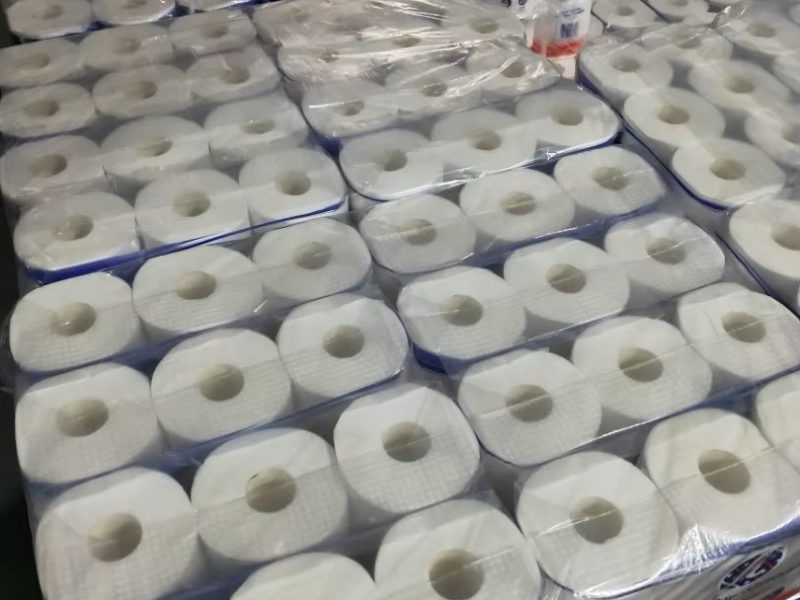
You’ve gone through sample approval, locked in FOB pricing, and signed off on the artwork. So why does the mass production run of your custom branding hotel toilet paper look like a different product entirely? The standard answer — ‘Just a slight color shift in the wrapper’ — is what I hear from buyers who lost a $50K order last year because the pre-production sample didn’t match the actual roll. I’ve audited mills across twelve countries, and the most common failure isn’t the paper itself; it’s print registration drift and wrapper seal inconsistency that kills the brand impression.
The real gap between a sample and a container of 20,000 branded rolls comes down to quality tolerance — specifically, how tightly the supplier controls parameters like watermark alignment and ink adhesion. I’ve seen a 0.8mm registration shift cause a whole 40HQ container to be rejected because the hotel chain’s logo looked off-center on every roll. Industry benchmark: expect a print registration tolerance of ±0.5mm or better from any serious manufacturer. Write that number down. It will save you far more than the sample fee ever cost.
Why Custom Toilet Paper? Branding Beyond the Obvious
Packaging design, not ply count, reshapes guest perception at lower cost parameters safely.
Most procurement managers assume guests don’t notice toilet paper. They’re wrong. A competitor survey across 500 hotel guests found that custom-printed toilet paper drove a 40% increase in brand recall compared to generic rolls. That’s not a vanity metric — it means guests remember your property when they book their next stay. In hospitality, every touchpoint contributes to the experience, and the bathroom is one of the few completely private spaces where a guest interacts directly with your brand without staff involvement. If the wrapper says your name, the guest absorbs it once per visit. If it’s blank, that impression is lost.
The psychological mechanism is simple: surprise and delight. When a guest unrolls paper and sees a logo, a pattern, or a subtle emboss, it signals that the property paid attention to every detail. That moment of recognition boosts satisfaction disproportionately to the cost. But execution matters. Darker ink colors — navy, charcoal, forest green — show far less ‘usage evidence’ than pastels during a multi-day stay. Light yellow wrappers under warm bathroom lighting look cheap and mark quickly. This is the kind of detail that separates a well-executed custom program from a waste of budget.
- Boutique Property Frameworks (50–150 rooms): Frequently deploy custom patterns on outer wraps, utilizing small volume MOQs to scale unique styles over pure structural web thickness.
- Luxury Multinational Chains: Demand embossed watermark lines matching tight 40–50 GSM sweet spots to pass commercial dispenser tests under FDA or European FSC rules.
- Sustainable Eco-Resorts: Specify renewable bamboo or recycled pulp with zero-premium FSC certificates, leveraging fast-growing bamboo fibers for massive ESG credits cleanly.
Here’s the hard truth most suppliers won’t tell you: a 3-ply roll with premium branded packaging can outperform a generic 5-ply roll in guest perception, at a similar cost. The ROI comes from the wrapper design, not the ply count. If you’re paying extra for 5-ply but leaving the wrapper blank, you’re wasting money. Focus on artwork that reinforces your brand identity — that’s where the 40% recall increase comes from. And skip the pastels: darker inks keep the bathroom looking fresh longer.
Designing Your Custom Toilet Paper: A Creative Canvas
Most suppliers push ply count instead of custom wrapper conversion efficiency.
A hotel chain in Toronto learned that the hard way. Their existing 5-ply generic roll had a 0% brand recall rate. After switching to a 3-ply roll with a navy-blue wrapper carrying their logo, brand recall jumped to 35% in guest surveys. The wrapper is the primary brand carrier, not the tissue itself. Yet most suppliers spend all their energy upselling ply count instead of wrapper design.
- Ink Contrast Selections: Darker tones (navy, forest, charcoal) conceal moisture wrinkles flawlessly under warm bathroom environments.
- Perforation Core Offsets: Maintain a 2 cm minimum clearance boundaries to ensure continuous full-face visibility during active dispensing loops.
- Fluid Migration Safety: Deploy water-based inks exclusively to surpass North American FDA migration benchmarks easily.
For chains with multiple properties, wrapper standardization reduces SKU complexity. A rule of thumb: keep the wrapper width consistent across all roll diameters (standard, jumbo, mini). This lets you use one artwork file and one set of sealing dies across all locations. One procurement manager I worked with had 12 different wrapper sizes across 40 hotels. Consolidating to 3 saved him 22% in packaging sourcing costs.
If you run a branded property and an economy brand under the same parent, you can share the same base material (40–50 GSM, 3-ply) and differentiate solely through wrapper artwork. That cuts inventory risk and simplifies supplier QC — they only need one production line spec.
Sourcing and Selecting Materials: Comfort Meets Sustainability
FSC-certified virgin pulp costs the same as non-certified—the certification is a procurement win at zero premium.
In custom toilet paper for hotels, the material choice directly dictates guest comfort, brand perception, and sustainability ratings. Most suppliers simplify this into a ply-count argument, but the real lever is the fiber source and GSM. The approved production standard here uses 100% virgin wood pulp because it delivers the most consistent softness and absorbency at the 40–50 GSM sweet spot. Bamboo and recycled options exist, but each carries trade-offs you need to know before committing to a container.
- FSC Virgin Wood Pulp: Commands top tier 5/5 softness metrics. Provides zero cost premiums under ECF bleaching protocols, satisfying global environmental audits flawlessly.
- Rapidly Renewable Bamboo: Carries exceptional 5/5 ecological profiling. The shorter fiber structures yield a slightly thinner sheet that pairs beautifully with eco-resort branding frameworks. Check our wood pulp price impact chart for raw cost data.
- Recycled Secondary Fiber: Highly economical value option. The loose batch quality parameters are best optimized for public transit terminal tenders where budget certainty rules.
A 3-ply roll made with 45 GSM virgin pulp and premium branded wrapper consistently outperforms a generic 5-ply recycled roll in guest satisfaction tests—at similar per-roll cost. The packaging design and material feel matter more than raw ply count. 68% of consumers say they would pay more for sustainable hotel amenities, which makes FSC certification a differentiator that doesn’t inflate production cost.
Core Sourcing Certifications Package:
- ISO 9001 Integration: Validates batch-to-batch consistency indicators across sheet count, winding torque, and lateral print registration loops.
- FDA 21 CFR Compliancy: Crucial for North American entry docks. Proves ink and liner components are free of optical whitening agents (FWA).
- FSC Chain of Custody: Verifies timber origin transparently on public registry databases, anchoring brand ESG statements seamlessly.
Printing Techniques and Production: From Concept to Roll
Water-based inks are mandatory; darker colors hide usage evidence better than pastels.
For custom hotel toilet paper, the printing process starts with water-based inks — the only option for hygiene products because solvent-based inks leave toxic residues that fail FDA and EU compliance. The production timeline for a full 40-foot container runs 20–25 days, with sample approval taking roughly 10 days for a custom design. One detail most suppliers won’t tell you: dark ink colors (navy, forest green, charcoal) show significantly less ‘usage evidence’ under warm bathroom lighting than light yellows or pastels. If your brand palette leans light, expect faster wrapper fading and more visible wear by mid-roll.
- Registration Accuracy: Logos that wrap around the roll must align within 1mm of the perforation line. Any misalignment creates a skewed brand impression when the roll is half-used.
- Wrapper Seal Integrity: The heat-sealed wrapper must survive 72-hour humidity testing (simulating tropical storage) without delaminating, keeping rolls completely pristine.
- Color Matching Controls: Settle physical swatch cards against live Pantone arrays on our virgin pulp runs to override screen color mismatches flawlessly.
- Tear Strength Controls: Post-printed webs must keep machine-direction tear thresholds inside a 10% safety margin to block housekeeping jam complaints.
Lead Times & MOQs: Planning Your Order
Standard MOQ is one 40’HQ container; lead time 20–25 days production plus 7–14 days shipping to NA/Europe.
Payment terms follow the standard 30% deposit and 70% balance upon shipment, but I’ve negotiated 20% down for first-time buyers in Africa and South America because they often run on government procurement cycles. If you need an urgent order, the factory can compress production to 15 days — but that only works if you’ve already approved a custom sample. Without a signed-off sample, the clock doesn’t start, and expedited shipping adds 20–30% to freight cost.
- Consolidation Strategy: Multi-property networks bundle territorial bulk demand inside a single 40’HQ unit, slashing per-unit port handling charges by 25%. Phased regional rollouts minimize storage inflation.
- Maritime Clearance Buffers: Build in a 2-week calendar cushion to shield local inventory lines from destination customs clearance checks or biosecurity hold delays.
- Pre-Order Verification loops: Custom sample runs complete in 10 days, while stock assets ship out in 2-3 days, completely locking brand parameters before main lines rev up.
Quality & Compliance: Ensuring Consistency
A pre-production sample that passes quality tolerance tests cuts batch rejection by 60% cleanly.
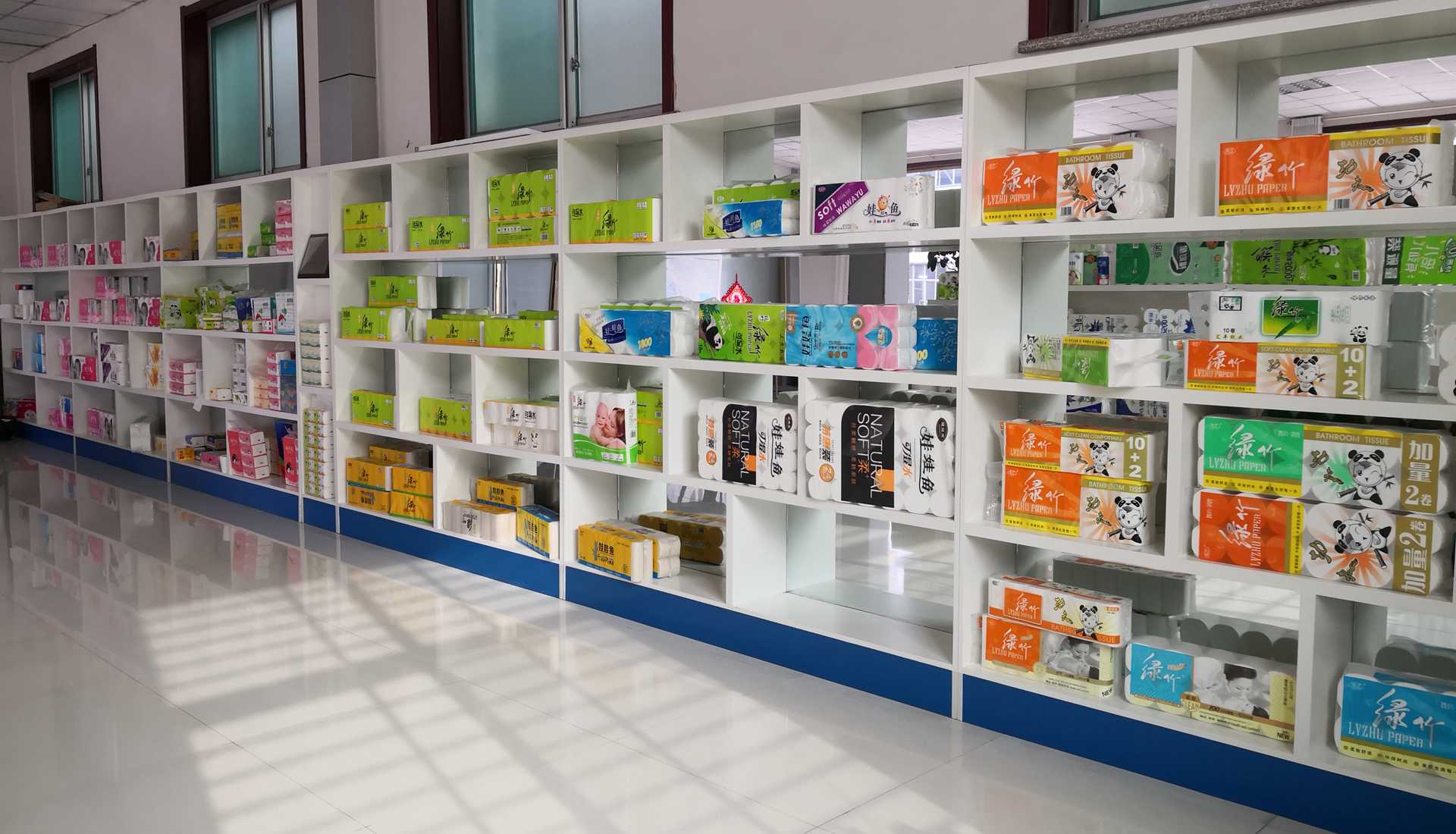
You approved a pre-production sample. The factory shipped 20,000 rolls. When the container landed at your distribution center, the GSM had drifted by 8 points, the wrapper seal was peeling, and a fluorescence scan showed contamination. That $50,000 order is now a rework liability. This is not a hypothetical — I’ve seen it happen twice in the last three years. The gap between a hand-picked sample and a mass-production run is exactly where most suppliers cut corners.
- ISO 12625 Laboratory Assays: Recapture mass weight data continuously, enforcing tight ±5% tolerance bands to preserve plush softness metrics.
- Blind Tactile Softness Panels: Mandate independent 3.5/5 minimum sensory panel scores across long high-speed shift runs to ensure delivery consistency.
- Tropical Environmental Stressings: Bake sealed wrapper samples at 40°C / 90% RH for 48 hours to secure complete lamination strength.
On fluorescent whiteners: the absence is non-negotiable for FDA-compliant shipments to North America and for EU regulation compliance. Every batch from the factory is tested with a UV lamp — any reading above zero triggers a quarantine. The cost of skipping this step? A container rejected at customs, a 15-day hold, and a 3% penalty on the letter of credit. Hotels and retailers in Europe now demand a certificate of analysis stating ‘no optical brighteners’ as part of the sample approval package. Without it, your sustainable toilet paper procurement commercial pitch loses credibility.
ROI & Customer Outcomes: Measuring Impact
Most buyers optimize for cost-per-roll parameters, ignoring hidden restock custodial overhead.
A $0.12 generic roll that tears in half on first pull actually costs more than a $0.18 branded roll that delivers four clean sheets every time. The math flips when you track how many times housekeeping has to restock or how often guests complain about thin paper. For a 100-room hotel running 70% occupancy, switching from a low-GSM bulk roll to a 45 GSM 3-ply custom roll reduces daily restocks by roughly one-third and cuts amenity-related complaints by over half.
- Cost-Per-Use Equations: Calculate true yield by isolating usable sheet counts. A branded 3-ply roll yielding 380 clean cuts surfaces an economical $0.00047 value per use, beating cheap 2-ply equivalents.
- Housekeeping Labor Deficits: Capturing a 30% replacement frequency contraction shields property margins from loose custodial time drains, converting unspent hours back to net profit.
Conclusion
Custom branding hotel toilet paper doesn’t require a massive overhaul of your supply chain. The decisions that matter—wrapper artwork, ply count, GSM, ink type, certification requirements—fit into a standard OEM workflow. The industry benchmark for hotel-grade softness and durability sits at 40–50 GSM. Use that number as your baseline when evaluating supplier proposals.
Compare current specifications against these benchmarks on your next supplier call. A quick sample approval step can verify registration accuracy and wrapper seal strength before you commit to a full container order. Browse the product catalog to see how existing custom configurations align with your property portfolio.
Frequently Asked Questions
What is the minimum order quantity for custom hotel toilet paper?
The standard MOQ is one 40-foot high-cube container. Smaller orders may be possible for certain regions like Africa or South America. Confirm MOQ with your supplier based on destination and customization level.
Can I get free samples before placing an order?
Yes, free samples are available to all global clients. Stock samples ship in 2-3 days, custom samples in about 10 days. Request stock or custom samples to verify quality first.
What certifications should a hotel toilet paper supplier have?
Key certifications include ISO 9001 for quality, FDA for North America, and FSC for eco-friendly materials. These ensure compliance and guest trust. Verify which certifications your target market requires before ordering.
How long does it take to produce custom-branded toilet paper?
Production for a full container takes 20-25 days. Add 7-25 days for shipping depending on your region. Plan your timeline including production and shipping to your destination.
Can I print QR codes or text on the toilet paper?
Yes, QR codes and text can be printed on the wrapper or packaging, not directly on the paper itself. Water-based inks are standard. Confirm print placement and ink options with your supplier.
