Skip to content
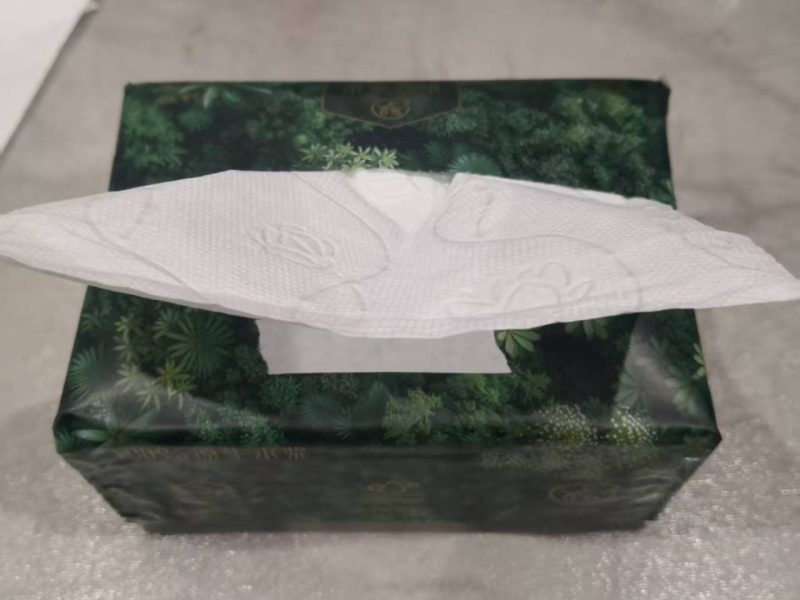
The choice of facial vs napkin products in a high-traffic hospitality environment directly impacts procurement costs and the physical integrity of the guest experience. Misallocating these paper assets leads to excessive waste, where a single guest might use five tissues to do the work of one durable napkin. This inefficiency drains overhead budgets and increases cleanup labor for staff forced to manage shredded paper residue left behind on dining surfaces.
This analysis breaks down the specific fiber matrix of restaurant-grade napkins and explains why facial tissues fail when exposed to heat and grease. We examine the structural differences between luxury multi-ply tissues and industrial-strength napkins while providing a framework for consolidating hospitality procurement through direct factory sourcing. This guide functions as a technical standard for managers aiming to balance tabletop performance with supply chain efficiency.
The Tabletop Dilemma: Softness vs Scrubbing Power
Effective hospitality tabletop products must balance high tactile comfort for the guest with the mechanical tensile strength required to manage grease and spills without fiber failure.
Multi-Ply Engineering for Structural Integrity
Advanced manufacturing in 2026 utilizes multi-ply designs to resolve the conflict between surface softness and the mechanical strength required for cleaning. By engineering sheets with multiple layers, we create a product where the outer plies remain gentle for skin contact while the internal layers provide a durable core. This structural strategy ensures the paper performs under the pressure of scrubbing without shredding or leaving lint behind.
- Layered construction allows the outer plies to remain soft for skin contact while the inner layers provide a durable core.
- Top Source Hygiene uses high-precision bonding to ensure plies do not separate during heavy scrubbing in restaurant environments.
- This engineering approach reduces paper waste by allowing a single sheet to perform both wiping and drying tasks effectively.
Fiber Blending and Raw Material Selection
The durability of a tabletop product depends heavily on the quality and arrangement of wood fibers within the paper matrix. We prioritize 100% virgin wood pulp to maintain high tensile strength, which prevents the tissue from melting or tearing when it hits greasy surfaces. Long-fiber blending strategies provide the structural skeleton needed for high-traffic commercial use in the hospitality sector, ensuring the paper maintains its shape even when saturated.
- We prioritize 100% virgin wood pulp to maintain high tensile strength, preventing the tissue from melting or tearing when it hits greasy surfaces.
- Adjusting the Grams per Square Meter (GSM) allows for a customized balance of absorbency and friction.
- Long-fiber blending strategies provide the structural skeleton needed for high-traffic commercial use in the hospitality sector.
Sustainable Innovation in Softening Agents
The 2026 market demands that softness does not come at the expense of environmental compliance or chemical safety. Manufacturers now replace traditional whiteners with biodegradable softening agents to meet updated global safety standards. Using FSC-certified materials allows brands to provide premium tactile comfort while adhering to strict sustainability goals. This ensures the finished product is safe for sensitive skin while remaining structurally sound for heavy-duty use.
- Manufacturers replace traditional whiteners with biodegradable softening agents to meet updated global safety standards.
- FSC-certified materials allow brands to provide premium tactile comfort while adhering to strict sustainability goals.
- Top Source Hygiene integrates these eco-friendly processes into the OEM workflow, ensuring products remain soft but structurally sound for international export.

The Fiber Matrix of a Restaurant Napkin
Commercial durability relies on a specific ratio of long-fiber cellulose and synthetic wet-strength resins, ensuring the material remains structurally sound when exposed to high-moisture food service environments.
Cellulose Composition and Wet-Strength Additives
Top Source Hygiene utilizes multi-ply cellulose configurations to provide essential durability and food-contact safety in the 2026 hospitality market. By integrating specific additives like polyamide-epichlorohydrin (PAE) into the fiber matrix, we increase the material’s wet-strength. This chemical bonding prevents the napkin from shredding or pilling when it encounters heavy sauces, oils, or condensation.
| Performance Metric | Restaurant Napkin (TSH Specs) | Standard Facial Tissue |
|---|---|---|
| Wet-Strength Agents | High (PAE Resins) | Minimal (Designed to dissolve) |
| Fiber Length | Long-fiber Virgin Pulp | Short-fiber (Softness focus) |
| Usage Environment | Heavy Grease & Spills | Personal/Nasal Hygiene |
Our manufacturing processes at the Mancheng facility focus on aggressive fines reduction. By removing shorter, dust-like fibers during the pulping stage, we minimize linting. This ensures that even during vigorous scrubbing of glassware or tabletops, the napkin leaves no residue, maintaining the professional standards expected in luxury dining environments.
Absorbency Optimization Through Creping Techniques
Proprietary fiber blending and advanced creping create a high surface area that facilitates rapid oil and water absorption. Mechanical creping creates microscopic ridges in the paper, which act as reservoirs for liquids. This treatment alters the tactile feel without sacrificing the structural “scrubbing power” required for commercial use.
- Adjustable GSM settings allow for customized thickness, enabling procurement officers to match specific regional hospitality standards.
- Testing protocols verify that the fiber matrix maintains a high absorbency-to-thickness ratio across every production batch.
- Edge-embossing and multi-ply bonding ensure layers stay intact even when the napkin is fully saturated.
Sustainable Fiber Sourcing and Purity Standards
Current production emphasizes 100% virgin wood pulp sourced under FSC certification to meet strict regional demands in Europe and North America. This material selection impacts both environmental compliance and end-user safety. By excluding fluorescent whiteners (OBA-free), we guarantee that the napkins remain safe for direct contact with food and sensitive skin.
Our manufacturing capacity of 2,860 tons per month supports consistent fiber quality for global distribution. This scale allows us to maintain rigorous purity standards while providing the volume necessary for large-scale hospitality groups and wholesalers. Each ton of pulp undergoes a multi-stage cleaning process to ensure that the final product is free from contaminants, securing the integrity of the 2026 global supply chain.
Build Your Own Premium Toilet Paper Brand
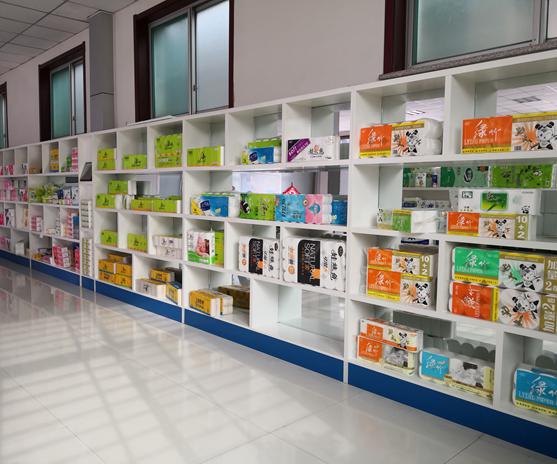
Why Facial Tissue Melts When Wiping Greasy Hands
Facial tissues fail in greasy environments because they lack the wet-strength resins and fiber density required to resist lipid lubrication and mechanical shredding.
Prioritizing Skin Comfort Over Structural Rigidity
Manufacturers like Top Source Hygiene design facial tissues with shorter cellulose fibers to ensure a smooth texture for sensitive skin. This engineering focus priorititas tactile softness over industrial durability. Most facial tissues lack the wet-strength resins, such as polyamide-epichlorohydrin (PAE), typically found in kitchen towels or commercial napkins. While this helps the tissue dissolve easily in waste systems, it drastically reduces resistance to heavy saturation from water or oils.
| Technical Metric | Standard Facial Tissue | Commercial Dining Napkin |
|---|---|---|
| Fiber Composition | Short-fiber (Softness focus) | Long-fiber virgin pulp |
| Wet-Strength Agents | Minimal to Zero (OBA-Free) | High (Resin-bonded) |
| Grease Performance | Structural Failure / Shredding | High Mechanical Integrity |
In 2026, standard facial tissue remains optimized for moisture absorption from the face, not for the heavy friction required to lift oils from skin surfaces. When these short fibers get wet, the weak hydrogen bonds holding them together break down almost instantly. This results in the paper pilling or leaving lint behind on the hands and face during use.
How Oils Destabilize Short-Fiber Bonds
The chemical interaction between grease and paper fibers differs significantly from water absorption. Lipids act as lubricants between the hydrogen bonds that hold paper fibers together, causing the structure to slide apart when pressure is applied. Water-based absorption relies on the fiber’s internal capacity to swell, but grease coats the exterior of the fibers and prevents them from gripping one another.
Active use during dining or mechanical work forces grease through the thin fiber matrix. Because the fibers in facial tissue are loosely packed to maintain a “cloud-like” feel, they cannot trap the viscous oil molecules. The result is the characteristic shredding or “melting” effect where the tissue loses all form and adheres to the user’s skin rather than removing the contaminant.
Ply Count versus Density in Grease Absorption
Top Source Hygiene offers up to 5-ply facial tissues, yet these layers remain thinner than a single high-density kitchen towel sheet. Higher ply counts in facial tissues improve water absorbency but do not necessarily equate to better grease management. Low Grams per Square Meter (GSM) in facial tissue means there is less physical mass to trap heavy oil molecules before they reach the core of the sheet.
Using a product designed for high-traffic food environments, such as a dedicated napkin or the Top Source Hygiene “Dry & Wet Using” series, provides the necessary fiber length to maintain integrity. These specialized series utilize high-pressure lamination and edge-embossing to ensure layers stay intact even under greasy conditions. For industrial or hospitality procurement, selecting a higher GSM product is more effective for grease management than simply increasing the number of thin tissue layers.
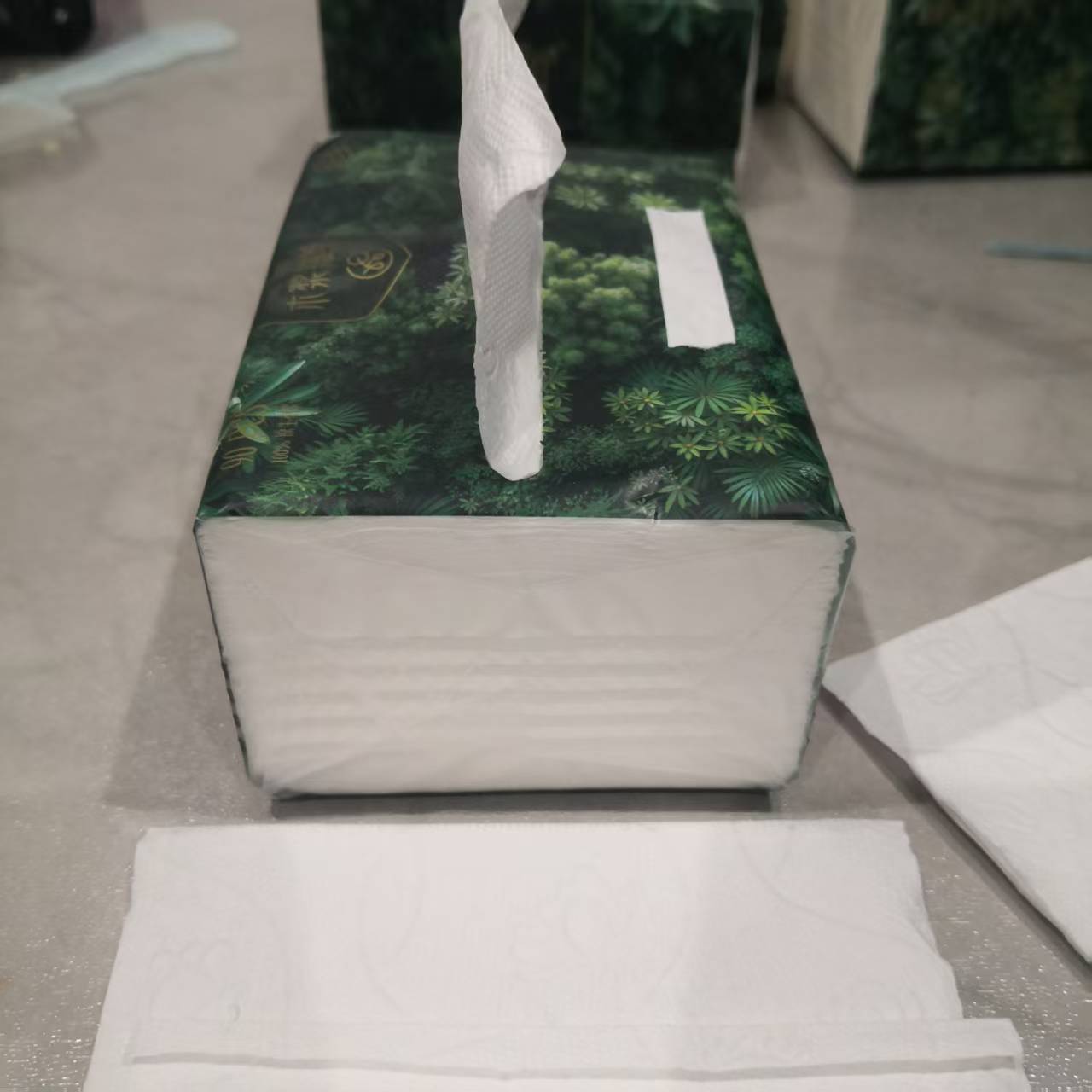
3-Ply Tissues in Luxury Restrooms vs Dining Rooms
High-end hospitality procurement requires a technical split between high-wet-strength fibers for dining napkins and skin-sensitive, low-linting matrices for restroom facial tissues.
Functional Priorities: Tactile Softness vs Structural Durability
Luxury restrooms demand facial tissues that prioritize skin comfort and dermatological safety. We utilize 100% virgin wood pulp to create a lint-free, cloud-like texture that prevents skin irritation. These products, such as the TSH-2059 hospitality model, feature precision interfolding to ensure a smooth, one-at-a-time pull. The engineering focuses on a “Super Soft” feel while maintaining enough tensile strength to handle cosmetic removal or personal hygiene without leaving paper scraps behind.
Dining rooms operate under significantly higher mechanical stress. Napkins must manage food residue, oils, and liquid spills, which requires a much denser fiber matrix. While a facial tissue would shred instantly when dabbing greasy fingers, a dining napkin uses enhanced ply-bonding and wet-strength technology to maintain structural integrity. Top Source Hygiene customizes these products to ensure that while the napkin feels premium, it performs with the ruggedness of a professional-grade cleaning tool.
Aesthetic Coordination and Custom Branding
Packaging acts as a critical brand touchpoint in upscale environments. Restroom tissues often utilize premium 5-ply export cartons or custom-branded sleeves that align with the facility’s interior design. Our OEM services allow hospitality groups to specify boutique box dimensions that fit universal dispensers perfectly, ensuring a seamless visual experience for the guest.
On the dining table, aesthetics shift toward fold quality and embossed branding. Consistency is vital; the white point and material purity of the napkins must match the facial tissues found in the suites. By sourcing both from a single factory, procurement managers eliminate the risk of mismatched textures or varying shades of white, preserving the establishment’s luxury identity across all guest-facing zones.
Sustainability Standards for High-End Facilities
Environmental certifications are now a non-negotiable standard for luxury procurement. Global hospitality groups mandate FSC-certified sourcing to guarantee that all 3-ply products originate from responsibly managed forests. This commitment to sustainability extends to the manufacturing process, where we exclude fluorescent whiteners and optical brightening agents (OBA-free) to ensure the product is safe for both the guest and the ecosystem.
To balance luxury with operational efficiency, many facilities are transitioning to high-capacity formats. Models like the TSH-6705-2 hanging packs offer up to 1,600 sheets, reducing the frequency of maintenance cycles and cutting down on secondary packaging waste. These high-density options provide the same 100% virgin wood pulp quality as boxed alternatives but optimize the logistics for high-traffic commercial settings.
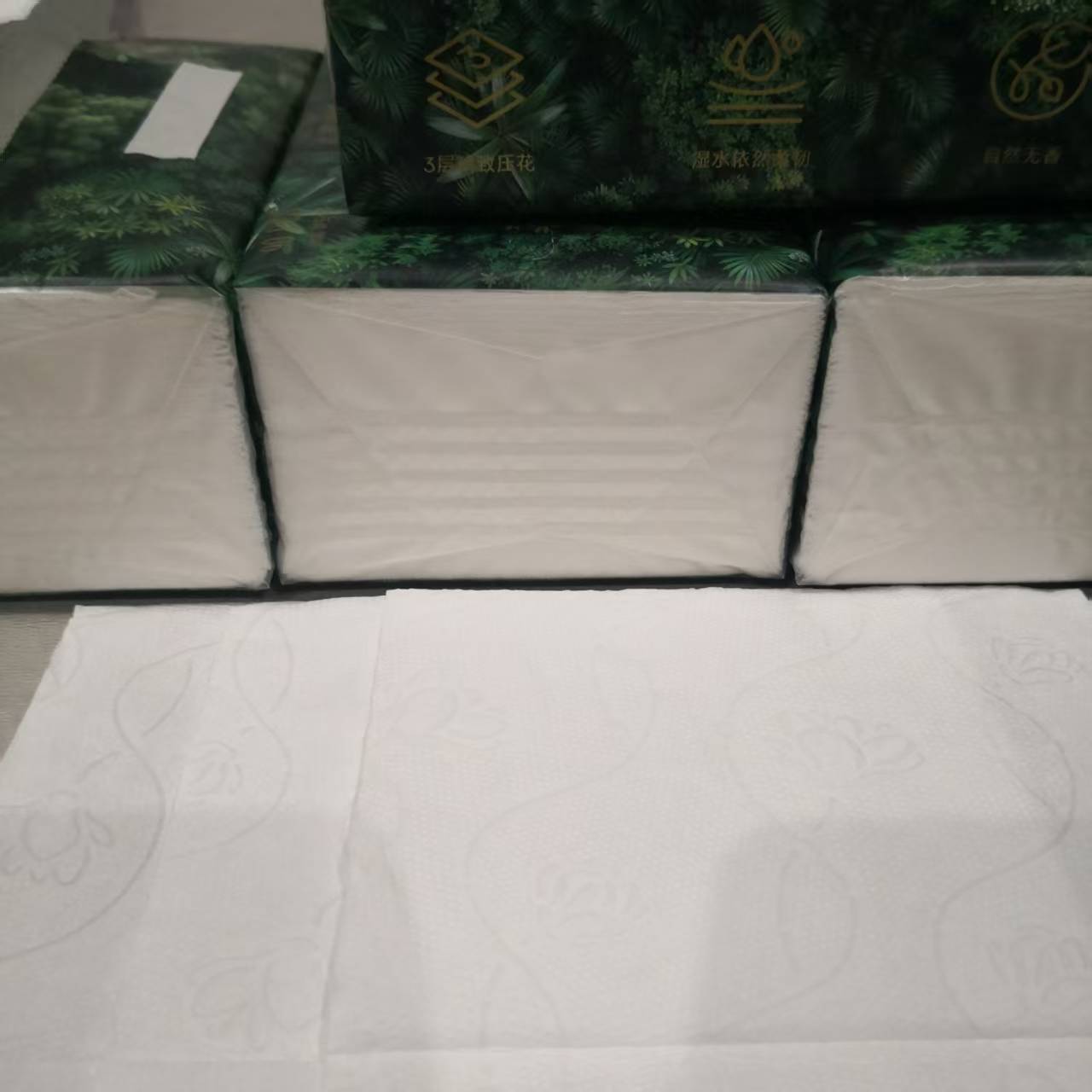
Consolidating Hospitality Procurement with One Factory
Centralizing hygiene paper sourcing within a single, high-output manufacturing hub stabilizes brand standards and slashes the logistics overhead typical of fragmented multi-vendor supply chains.
Streamlining Global Supply Chains Through Single-Source Partnerships
Managing hospitality supplies through one manufacturer simplifies the complex web of vendor coordination. Procurement teams often struggle to sync deliveries from multiple sources, but centralized production at our 2,860-ton monthly capacity facility allows for a unified flow of toilet paper, facial tissues, and kitchen towels. By consolidating the order process, hotels eliminate the administrative burden of managing disparate shipping schedules and invoicing formats.
- Top Source Hygiene manages the end-to-end process from raw virgin wood pulp sourcing to final delivery in 56+ countries.
- Established shipping routes from our Hebei hub ensure predictable lead times of 15-25 days to major ports.
- Predictable delivery cycles allow hotels to maintain leaner inventory levels, freeing up valuable on-site storage space.
Maintaining Consistent Brand Standards Across Diverse Product Lines
Consistency defines luxury hospitality. When different factories handle guest room tissues and restroom jumbo rolls, slight variations in GSM, fiber texture, and logo placement inevitably occur. Consolidated manufacturing in a single factory ensures that every touchpoint—from the 4-ply boxed tissue (TSH-2059) in a suite to the high-capacity rolls in common areas—reflects a uniform brand identity and quality level.
| Procurement Metric | Multi-Vendor Approach | Single-Source (TSH) |
|---|---|---|
| Brand Consistency | Fragmented (varying GSM/Logo) | Uniform (Synchronized Specs) |
| Lead Times | 35-50 Days (Uncoordinated) | 15-25 Days (Optimized) |
| Quality Control | Variable standards | Unified ISO 9001 Compliance |
Reducing Operational Costs via Factory-Direct Sourcing
Direct-to-factory models remove the intermediary markups that inflate procurement budgets. By leveraging volume-based production for 40-foot high-cube (40HQ) containers, hospitality groups achieve a lower landed cost per unit. We maximize container payload—typically 7,000kg to 9,000kg—to ensure the best possible freight efficiency for international buyers.
- Hotels save on shipping by mixing different product categories into a single 40HQ shipment, optimizing container space usage.
- Direct communication with our technical team speeds up the sample approval process, typically taking only 10 days for custom private label designs.
- Volume production in high-capacity factories provides aggressive pricing that local distributors cannot match.
Ensuring Global Compliance and Sustainability for 2026 Standards
Compliance in 2026 requires more than just a label; it requires a transparent and verifiable supply chain. Centralizing with a certified manufacturer like Top Source Hygiene simplifies the audit process for hygiene and safety regulations. We provide a single point of contact for tracking CSR goals, particularly regarding the use of 100% virgin wood pulp and OBA-free chemical safety.
- Our factory maintains FDA and FSC certifications, meeting the strict environmental requirements of North American and European markets.
- Procurement managers can monitor their environmental impact more effectively through a single supply chain’s carbon footprint data.
- Customized plastic-free packaging options are available to align with corporate sustainability initiatives.
Conclusion
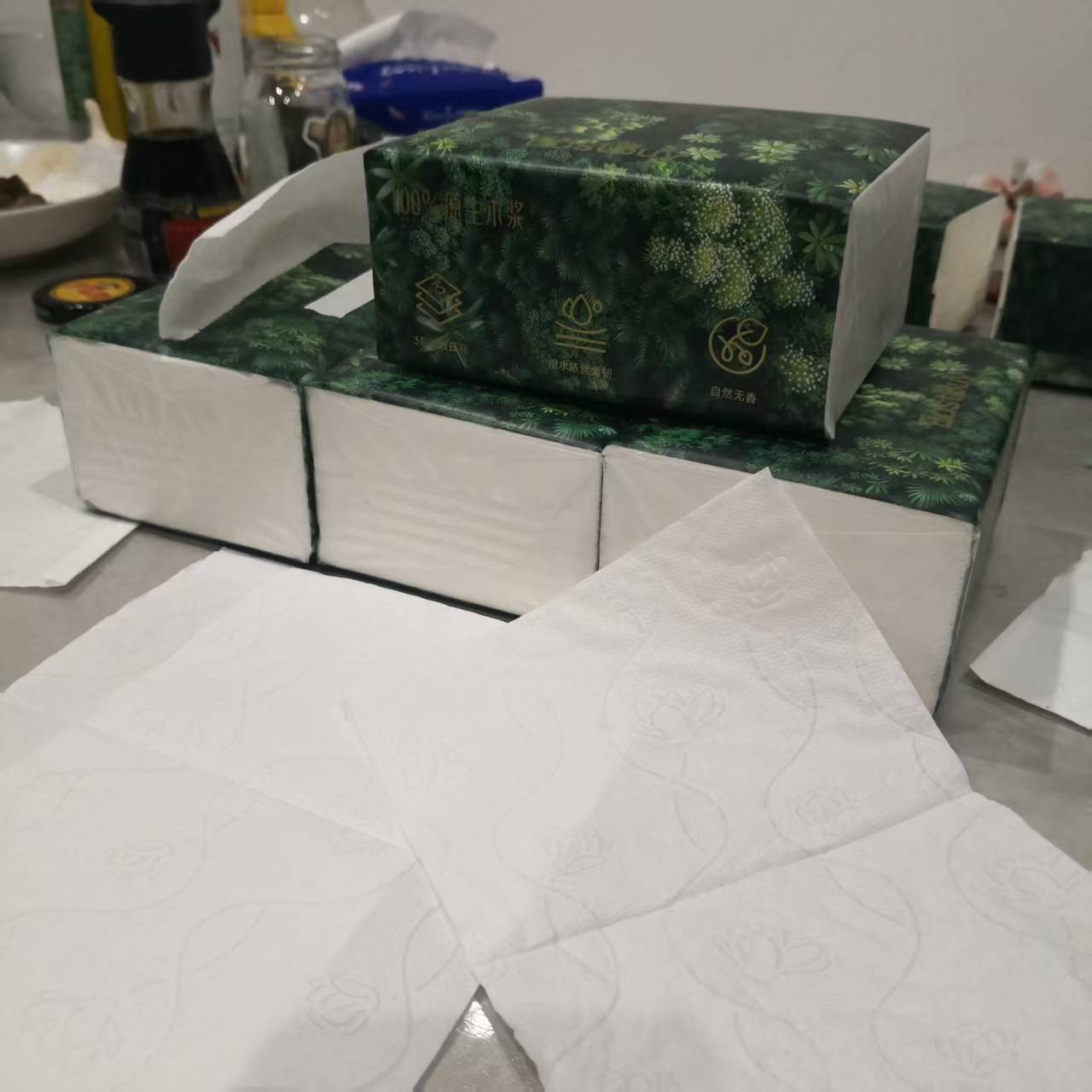
Choosing between facial tissue and paper napkins requires understanding fiber density and wet-strength technology to ensure durability during guest use. High-quality 100% virgin wood pulp options provide the necessary tensile strength to handle moisture and grease without leaving residue. Correct procurement choices improve the dining experience while reducing overall material waste across your facility.
Review your current restaurant supplies to identify where high-ply tissue could replace underperforming paper products for better cost efficiency. Contact us to discuss bulk pricing or to request a sample pack of our professional-grade hospitality tissues.
Frequently Asked Questions
Can you use facial tissue as a napkin?
While technically possible, facial tissues are not recommended for use as napkins. They are engineered for softness and “nasal comfort” rather than the mechanical scrubbing power required to remove food residue or grease. Facial tissues lack the structural durability and wet strength found in tabletop products, often resulting in the paper tearing or pilling when used during a meal.
Facial tissue vs paper napkins?
The primary difference lies in the fiber blending and chemical treatments used during manufacturing. Facial tissues prioritize a velvety texture and often contain softening agents to prevent skin irritation. Paper napkins, conversely, utilize advanced multi-ply construction and embossing to maximize absorbency and lint-free performance, making them far more effective at handling spills and heavy wiping.
Why do tissues dissolve when wiping hands?
Tissues dissolve or shred when wiping wet hands because they are manufactured with very low “wet strength” resin. This design ensures they are soft and biodegradable, but it prevents them from maintaining structural integrity under friction or moisture. Unlike napkins, which are built to withstand tabletop “scrubbing,” tissues rely on loose fiber bonds that break down almost immediately upon contact with significant moisture.
Best paper napkins for restaurants?
For premium dining, “air-laid” paper napkins are the industry standard as they provide a linen-like feel with superior absorbency. For high-traffic or casual environments, 2-ply recycled fiber napkins with deep-set embossing offer the best balance of cost-efficiency and functional durability. Innovation in hybrid performance now allows restaurants to provide premium softness without sacrificing the strength needed for heavy-duty cleanup.
Bulk buying hospitality paper products?
When purchasing for hospitality, focus on SKU consolidation and high-capacity dispensing systems to reduce waste and labor costs. Expert procurement strategies involve selecting FSC-certified products to meet sustainability pressures while ensuring the paper grade matches the specific use-case—utilizing high-absorbency multi-ply products to reduce the total number of units consumed by guests.