Skip to content
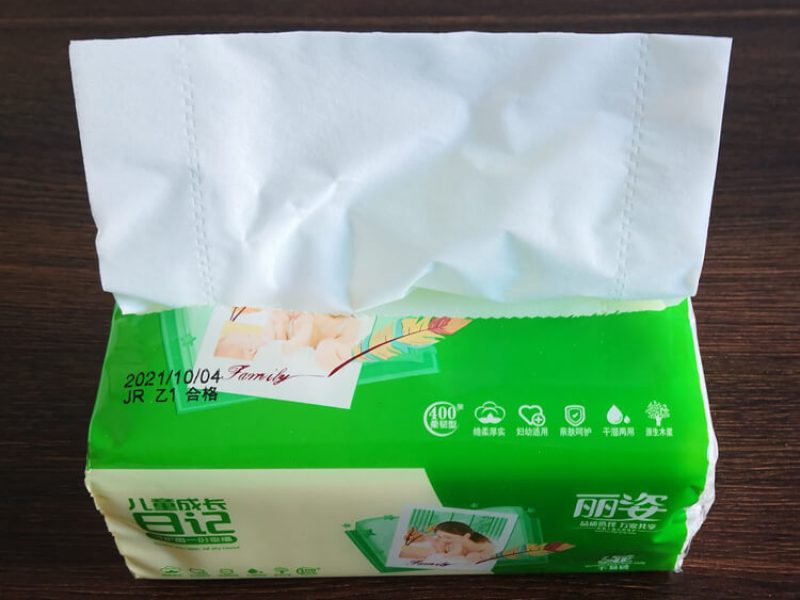
Soft pack sealing directly impacts production throughput and product integrity, where a single degree of thermal deviation leads to high scrap rates and compromised hygiene standards. Manufacturing lines operating at high speeds face the constant risk of seal failure, which allows moisture ingress and ruins entire batches. These failures often result in costly waste and damaged retail partnerships, making precise thermal control a requirement for operational efficiency.
This guide details the technical shift from cardboard to flexible film and the mechanical role of high-speed flow wrapping machines. We examine the thermal dynamics of heat-sealing jaws and the application of resealable adhesive flaps. The following analysis also covers the engineering protocols used to verify waterproof integrity for medical-grade applications, providing a standard operating procedure for tissue packaging facilities.
The Transition from Cardboard to Flexible Film
The global shift toward flexible films in 2026 prioritizes logistics efficiency and moisture protection over the structural rigidity of traditional cardboard packaging.
Material Efficiency and Logistics Optimization
Replacing rigid cardboard with thin-gauge film significantly decreases the total weight of paper product shipments. This weight reduction directly impacts the bottom line for wholesalers by lowering transportation costs and reducing the storage footprint in modern 2026 logistics models. By stripping away excess packaging weight, distributors can better manage fuel surcharges and rising freight rates.
- Film-wrapped soft packs allow for higher pallet density, maximizing the usable space within 40HQ containers during global distribution.
- Top Source Hygiene loading teams maximize every inch of shipping volume, ensuring the lowest landed cost per pack for importers in Africa and Southeast Asia.
Advancements in Barrier Protection and Multilayer Technology
Innovations in multilayer film technology provide robust barriers that protect paper products from moisture and environmental contaminants. Modern films offer enhanced puncture resistance and seal strength compared to traditional cardboard folding cartons, which often suffer structural failure or mold issues in humid climates.
- Advanced barrier properties maintain the softness and hygiene of 100% virgin wood pulp tissues during long-term storage in high-humidity regions like the Middle East.
- Genuine, high-purity pulp stays lint-free and protected from dust, ensuring the “Aslike Cloth Tough” texture remains ready for cosmetic and facial applications.
Sustainable Material Integration
The move toward recyclable and compostable film options addresses increasing regulatory pressure and consumer demand for eco-friendly packaging. Manufacturers prioritize mono-material films, such as LDPE or polypropylene, that simplify the recycling process for end-users without compromising the hermetic integrity of the seal.
- Adopting biodegradable film alternatives helps paper brands comply with strict environmental standards in North America and Europe.
- Sustainable Bamboo Pulp options paired with unbleached natural fiber films satisfy the growing demand for FSC-level eco-conscious sourcing.
High-Speed Converting and Production Automation
Automated converting infrastructure enables the rapid production of soft packs, offering a competitive advantage over slower cardboard packaging lines. High-speed flow wrapping machinery integrates directly with paper production lines for a seamless workflow, allowing for throughput speeds exceeding 300 packages per minute on standardized models like the TSH-4299.
- Enhanced printability on flexible films allows for vibrant, edge-to-edge branding that improves retail shelf presence.
- Precision V-fold interfolding ensures a smooth, continuous one-at-a-time pull from the soft pack, preventing wastage and subsequent sheet tearing.
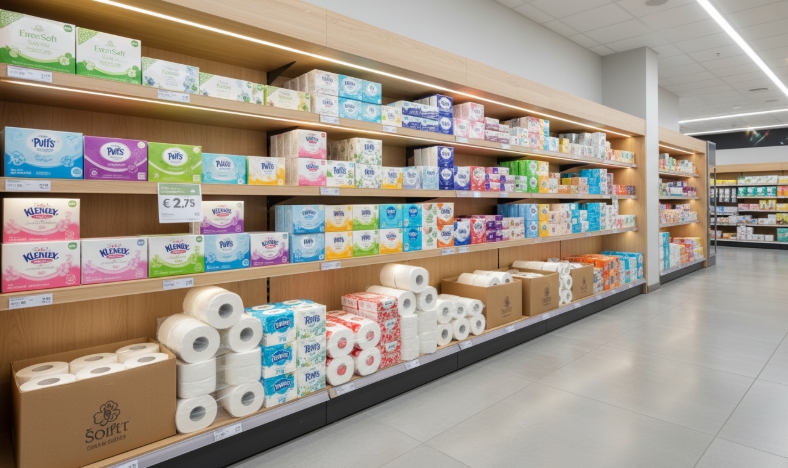
The High-Speed Flow Wrapping Machine
2026 flow wrapping standards demand a convergence of 300+ PPM throughput and real-time IoT diagnostics to maintain operational margins in high-volume soft-pack tissue manufacturing.
Throughput efficiency defines the success of modern facial tissue production. Advanced flow wrapping systems now achieve production speeds exceeding 300 packages per minute. This level of output allows manufacturers to meet the massive volume requirements of global retail chains while maintaining mechanical stability. Automated feeding mechanisms synchronize product placement with film delivery, which prevents the jams that often plague lower-tier machinery.
Servo-driven motors provide the precise control necessary for these high-speed cycles. By replacing traditional mechanical cams, these motors reduce wear and tear during continuous 24/7 operations. This shift to digital motion control ensures that the wrapping tension remains consistent, preventing the tissue stack from deforming under the pressure of the film.
| Performance Metric | Standard Industry Specs | TSH High-Speed System (2026) |
|---|---|---|
| Maximum Throughput | 120 – 180 Packs/Min | 300 – 350+ Packs/Min |
| Control Architecture | Standard PLC Control | Full Servo + IoT Diagnostics |
| Sealing Precision | +/- 1.5mm | +/- 0.5mm |
| Changeover Time | 60 – 90 Minutes | < 25 Minutes (Tool-less) |
Digital Integration and Performance Tracking
Industry 4.0 standards allow factories like Top Source Hygiene to monitor equipment health and output in real-time. IoT sensors embedded in the flow wrapper track motor temperature and vibration levels. This data facilitates predictive maintenance, identifying potential component fatigue before it causes unscheduled downtime.
Real-time analytics identify bottlenecks specifically in the sealing and cutting phases. Cloud-based interfaces provide operators with the ability to adjust machine parameters remotely, ensuring that different product runs—from 3-ply standard to 5-ply ultra-premium—maintain the same seal integrity without manual recalibration.
Material Reduction and Eco-Friendly Film Usage
Equipment design in 2026 prioritizes sustainability by minimizing film scrap. Precision tension control systems allow the use of thinner, 100% recyclable films without the risk of tearing at high speeds. This material reduction directly lowers the overall landed cost per pack for wholesalers and distributors.
- Adjustable folding boxes reduce the amount of excess film used per package, optimizing dimensions for 40HQ container loading.
- Hybrid sealing units accommodate both traditional plastics and emerging biodegradable substrates like PLA blends.
- Waste-reduction software calculates the exact film length needed per pull, eliminating the “tail” waste common in older wrapping models.
Modular Architecture for Versatile Packaging
Modular machine frames enable quick transitions between different pack sizes and counts. This flexibility is essential for OEM and ODM orders where a single production line may need to switch from TSH-4299 retail family packs to TSH-5968 urban compact sizes within the same shift.
Tool-less changeover components reduce the technical expertise required to reset the line. Scalable configurations also allow for the seamless addition of labeling units or secondary packaging modules, such as handle-bag bundling systems. This modularity ensures that the production line remains relevant as market demands for different facial tissue formats evolve.
Scale Your Brand With Premium OEM Tissue
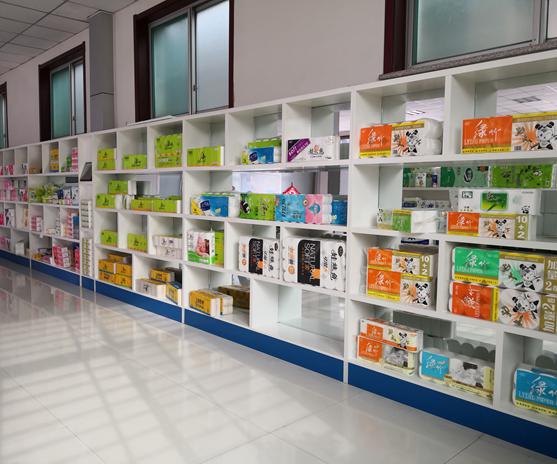
Thermal Dynamics of the Heat-Sealing Jaw
Precision thermal management in the sealing jaw determines the difference between a hermetic barrier and a failed production batch in high-speed flexible film packaging.
Precision Temperature Control and Heat Distribution
Current sealing systems in 2026 utilize high-resolution sensors to maintain a uniform thermal profile across the entire jaw surface. By eliminating cold spots, we prevent the micro-leaks that often plague soft pack tissue packaging during high-pressure transit. This uniformity protects thin film materials from localized melting or structural degradation, ensuring that the 4-ply and 5-ply tissues from Top Source Hygiene remain protected by a consistent bond strength that does not compromise the film’s integrity.
| Thermal Parameter | Legacy Sealing Jaws | 2026 Precision Dynamics |
|---|---|---|
| Temperature Variance | ± 5.0°C (Surface Drift) | ± 0.5°C (Uniform Distribution) |
| Cooling Method | Passive Ambient Cooling | Active Rapid-Set Mechanism |
| Seal Integrity Rate | 94.2% in High-Speed Ops | 99.9% (Hermetic Precision) |
Rapid Cooling Cycles for High-Speed Lines
High-volume manufacturing requires more than just heat; it requires the ability to remove it instantly. Modern engineering incorporates fast-acting cooling mechanisms that set the seal immediately after the heating phase. This instant stabilization allows for immediate downstream processing without deforming the pack. Manufacturers can maximize monthly tonnage across large-scale soft pack orders by shortening these thermal cycles, which is critical for meeting the strict lead times of global wholesale markets.
Real-Time Thermal Monitoring and IoT Integration
IoT-enabled temperature profiling provides continuous feedback on thermal performance, allowing the machinery to make automated adjustments in real time. We use continuous data logging to identify thermal drift before it impacts the quality of a production batch. These automated feedback loops minimize manual intervention and reduce downtime during product changeovers, ensuring that every 40HQ container loaded at our Hebei facility meets consistent technical standards.
Energy Efficiency and Advanced Insulation Technology
Advanced insulation materials and eco-efficient heating elements minimize heat loss and lower operational power consumption. Ceramic insulation directs heat specifically to the sealing interface, which reduces ambient heat waste in the factory environment. This optimized thermal management lowers the carbon footprint of the production process, aligning with international FSC and sustainability standards while maintaining the high wet-strength and 100% OBA-free safety of our facial tissue products.
- Localized heating reduces total energy draw per cycle by up to 15%.
- Improved insulation protects internal electronic sensors from thermal wear.
- Strategic heat placement ensures thick 5-ply packs receive full penetration without scorching the outer film.
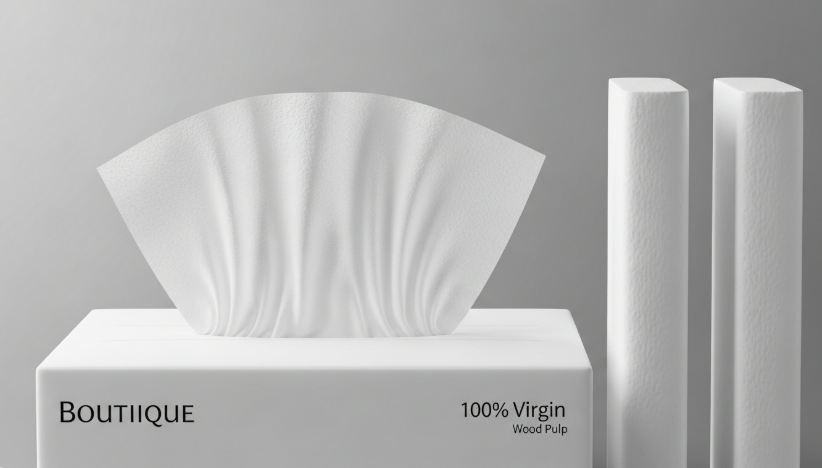
Adding the Re-sealable Adhesive Dispensing Flap
Precision integration of re-sealable flaps hinges on the thermal stability of pressure-sensitive adhesives (PSA) to ensure moisture retention and structural integrity across the 2026 global logistics chain.
Pressure-Sensitive Adhesive (PSA) Integration
Technical teams select temperature-stable PSA formulations to prevent bond failure during transit through high-heat environments like the Middle East or humid Southeast Asian ports. For high-density products like the TSH-4299 4-ply soft packs, the adhesive must maintain a consistent bond strength that allows for repeated peel-and-reseal cycles without leaving tacky residue on the film surface or the virgin wood pulp fibers.
- Utilize low-tack PSA variants specifically engineered for 50–100+ resealing cycles.
- Apply adhesive strips in 50–80 mm widths to provide adequate surface area for hermetic sealing.
Seal Integrity and Opening Force Optimization
Calibrating the opening force is a balancing act between secure containment and user accessibility. We target a peel strength of 0.8 to 1.5 N/25mm to ensure that even elderly users or children can access the tissues without tearing the flexible film. This optimization protects the 100% OBA-free tissues from moisture loss and external contamination, directly extending the shelf life in retail environments.
| Performance Metric | Standard Market Spec | TSH Industrial Spec (2026) |
|---|---|---|
| Typical Peel Strength | 0.5–2.0 N/25mm | 0.8–1.5 N/25mm (Calibrated) |
| Resealing Durability | 20–30 Cycles | 50–100+ Cycles |
| Temperature Stability | 5°C to 35°C | -10°C to 55°C (Global Export Grade) |
High-Speed Automated Line Compatibility
Synchronizing the adhesive flap applicators with flow wrapping machines is essential for maintaining throughputs of 300+ packages per minute. Our Hebei-based production lines employ high-speed vision systems to monitor flap placement with sub-millimeter accuracy. This real-time monitoring prevents material waste and ensures that every soft pack, from the TSH-5968 Urban Compact to the TSH-6705-2 High-Capacity pack, meets aesthetic and functional standards.
- Integrate servo-driven applicators to match the variable speeds of the film web.
- Deploy automated rejection systems for packs with misaligned or folded flaps.
Recyclable Adhesive Systems for 2026
The shift toward mono-material packaging structures requires adhesive systems that do not contaminate the recycling stream. We adopt bio-based adhesives and plant-derived coatings that comply with European and North American sustainability standards. These systems allow the entire soft pack to be processed in standard plastic recycling facilities while maintaining the barrier properties needed for high wet-strength “Dry & Wet Using” tissues.
By utilizing functional design features that reduce overall plastic consumption by 10-15%, we extend the usability of soft-pack products without increasing the environmental footprint. This engineering focus supports distributors in meeting strict regional compliance requirements while offering premium, 100% virgin wood pulp products to eco-conscious markets.

Ensuring Waterproof Integrity for Medical Use
Medical-grade soft packs in 2026 demand hermetic sealing and high-barrier laminates to maintain sterility throughout global logistics cycles and high-humidity storage environments.
Achieving waterproof integrity in medical soft packs requires a shift from standard consumer packaging to high-performance barrier systems. These packs must protect the internal product—often 100% Virgin Wood Pulp tissues or specialized medical wipes—from moisture, bacterial ingress, and physical degradation. For B2B distributors in North America and Europe, this level of protection isn’t just a preference; it is a regulatory requirement that ensures product safety from the Hebei factory floor to the final point of care.
Compliance with ISO 11607 and FDA Standards
Manufacturers implement ISO 11607 protocols to validate that packaging maintains a microbial barrier throughout its life cycle. This standard requires rigorous testing of the seal’s strength and the material’s porosity. Regulatory alignment with FDA guidelines ensures that moisture-sensitive medical devices or specialty tissues remain sterile and functional upon arrival.
- Validation processes provide documented evidence that seals withstand the physical stresses of sterilization.
- Packaging must resist microbial penetration while allowing for specific sterilization methods like ETO or Gamma radiation.
- Strict adherence to these standards protects the supply chain from costly recalls and safety failures in high-stakes environments.
Multilayer Film Technology for Moisture Barriers
Production lines utilize multilayer films that combine plasma surface treatments with high-barrier resins to prevent moisture ingress. These advanced materials create a liquid-proof shield that is essential for products like our TSH-6125 Mother & Baby series, which requires 100% OBA-free purity and total protection from external contaminants. By selecting specific polymer blends, engineers balance puncture resistance with the flexibility required for soft-pack applications.
Sustainable, bio-based barrier materials offer eco-friendly alternatives without compromising the integrity of the waterproof seal. In 2026, many B2B buyers in the EU prioritize these materials, as they align with strict environmental directives while maintaining the Water Vapor Transmission Rate (WVTR) standards necessary for medical safety.
Precision Heat-Sealing and Thermal Dynamics
Controlling the sealing environment prevents microscopic gaps that could lead to contamination. Automated machinery manages heat, pressure, and dwell time with high precision to create hermetic bonds. This is particularly critical when working with high-capacity packs, such as the TSH-6705-2 hanging packs, where the seal must support the weight of the product while remaining completely airtight.
- Thermal sensors monitor sealing jaws in real-time to detect fluctuations that might cause weak points.
- Optimized sealing parameters prevent material degradation, ensuring the package remains waterproof under varied storage conditions.
- Consistent thermal management allows for high-speed production without sacrificing the integrity of the liquid-proof barrier.
Real-Time Leak Detection and Validation
Integrated inspection systems identify seal failures before products leave the manufacturing facility. Non-destructive leak detection systems scan every medical pack on high-speed lines to identify microscopic breaches. These vision systems analyze seal width and consistency, ensuring every unit meets predefined safety margins before being loaded into 40HQ containers for export.
Continuous data logging provides a digital audit trail, supporting quality assurance efforts and regulatory reporting. This transparency gives wholesalers and distributors confidence that the moisture-barrier performance of their bulk orders—whether standard retail TSH-4299 packs or medical-grade formats—is fully verified and documented.
Conclusion
Mastering heat-sealing dynamics and high-speed flow wrapping technology ensures that soft pack tissues remain sterile and structurally sound during global transit. These manufacturing standards maintain the moisture barrier necessary for medical use while preserving the lint-free texture of the virgin wood pulp fibers. Precise thermal control in the packaging phase reduces material waste and guarantees product integrity for high-volume retail distribution.
Examine your current procurement requirements to determine how specialized sealing or custom sheet dimensions might better serve your specific market needs. Contact Top Source Hygiene to request a technical catalog or to discuss OEM configurations for your next container-load order.
Frequently Asked Questions
How are soft pack tissues sealed?
Soft pack tissues are sealed using high-speed automated heat-sealing technology. Once the tissues are folded and stacked, they are wrapped in a flexible polymer film—typically polyethylene (PE) or biaxially oriented polypropylene (BOPP). Mechanical sealing bars apply a precise combination of thermal energy and pressure to the film’s edges, melting the inner layers to create a durable, airtight bond that protects the product from environmental contaminants.
Plastic wrapped facial tissue manufacturing?
Manufacturing plastic-wrapped facial tissues involves an integrated line consisting of a tissue folder, a log saw, and a soft-pack wrapping machine. Large jumbo rolls are converted into interfolded stacks, which are then fed into the wrapper. The machine wraps a continuous sheet of printed film around the stack, forming a tube. Rotating or reciprocating sealing jaws then cut and seal the ends of the pack at speeds often exceeding 100 packs per minute.
Heat sealing tissue paper packaging?
Heat sealing in tissue packaging relies on the thermoplastic nature of the outer film. Constant-heat bars or impulse sealers are calibrated to the specific melting point of the material, usually between 120°C and 180°C. Advanced sensors ensure the temperature remains consistent to prevent burning thin films while ensuring a hermetic seal. This process has largely replaced traditional cardboard adhesives due to the superior barrier properties and cost-efficiency of flexible films.
Waterproof travel tissue production?
Waterproof travel tissue packs are produced using multi-layer laminate films that incorporate high-density polyethylene (HDPE) or metallized layers for enhanced moisture resistance. During production, the “travel” size is achieved through high-compression stacking to minimize air gaps. The final perimeter seal is designed to be completely non-porous, ensuring the tissues remain dry even in humid or wet conditions, which is a significant advantage for portable hygiene products.
How to make resealable tissue packs?
Resealable packs are manufactured by integrating a labeling station into the wrapping line. A high-precision rotary die-cutter first creates a perforated or “cut-through” opening in the film. A labeling unit then applies a pressure-sensitive adhesive (PSA) sticker over the opening. The adhesive is specifically formulated to retain its tackiness through multiple uses, allowing the consumer to peel back the label to retrieve a tissue and press it back down to seal the pack.