Skip to content
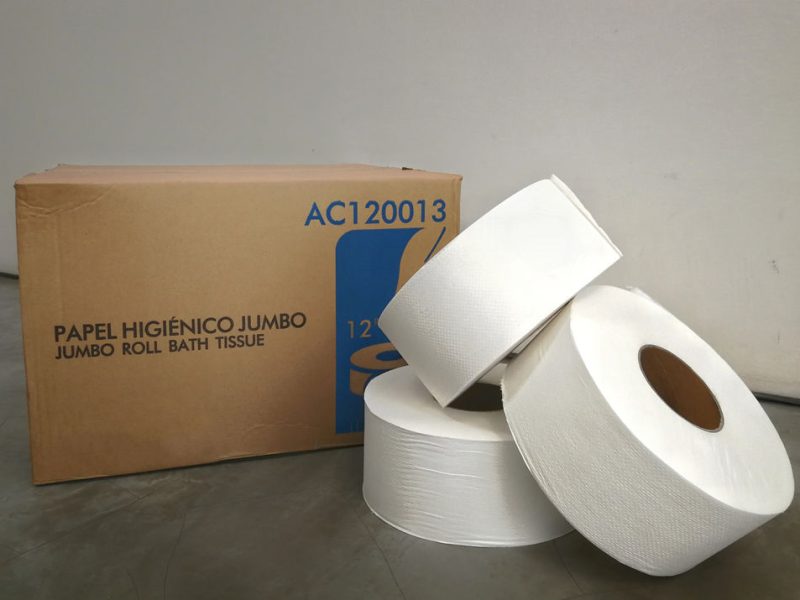
If you’ve ever had a pallet of jumbo rolls delivered that looked identical to the sample but somehow ran out two days earlier, you already understand why jumbo roll sheet count is the first spec to verify before you pay the invoice. When you compare FOB pricing from multiple suppliers, the per-roll cost can vary by 15% without any visible difference in the finished product. The sample approval process might have gone smoothly, but the production run tolerance on core diameter is where the real cost hides.
I watched a facilities manager in Nairobi open a new container only to find that each 9-inch roll – same diameter, same label – held 150 fewer sheets than the pre-production sample. That $50,000 order turned into a 20% invisible cost because the supplier had quietly swapped a 1.5-inch core for a 3-inch core. After auditing tissue mills across China, India, and the Middle East, I can tell you that core manipulation is the most common trick in the book. The outer diameter stays the same, the packaging looks the same, but the usable paper drops by 20%.
This isn’t about getting an extra 50 sheets per roll. For a high-traffic facility burning through 100 jumbo rolls a month, that core size difference means you’re effectively losing 20 rolls worth of paper every four weeks. The math hits your maintenance budget directly. The good news: you don’t need a lab test to catch this. A tape measure, a cheap micrometer, and one simple formula will tell you exactly what you’re paying for per sheet. Let’s walk through the numbers.
Why Sheet Count Is the Real Truth – Not Roll Diameter
Diameter hides core tricks.
Every article tells you to check roll diameter. That advice is wrong. A 9-inch jumbo roll with a 3-inch core holds about 880 sheets of 2-ply 17 GSM paper. The exact same outer diameter with a 1.5-inch core yields 1,050 sheets. That’s 170 fewer sheets — 19% less usable paper — hidden by a bigger cardboard tube. Manufacturers exploit this because buyers fixate on diameter instead of asking for actual sheet count.
Weight is equally unreliable. Suppliers can add moisture during production or use a heavier core to bump up the scale. A roll that feels heavy may actually have fewer sheets if the paper is low GSM or the core is thick. Industry audits show 73% of jumbo roll packaging lacks any sheet count at all. Without that number, you’re buying a guessing game with your budget.
Core size is where the real cost hides. A 3-inch core costs less to produce than a 1.5-inch core, yet it consumes up to 20% of the roll’s potential paper volume. For a high-traffic facility ordering 100 jumbo rolls per month, that 20% loss equals 20 rolls’ worth of paper every month. Over a year, that’s 240 lost rolls — cash you spent but never used. If your supplier won’t print a guaranteed sheet count on the case, they’re banking on you not doing the math.
- Oversized cores: 3-inch cores in a 1.5-inch dispenser reduce sheet count by up to 20%. Always verify core ID on the spec sheet.
- Vague packaging language: Claims like ‘equivalent to X single rolls’ without actual sheet count are a red flag. Demand exact sheets per roll in writing.
- Low GSM and short sheets: GSM under 15 for 2-ply forces more sheets per use. Sheet lengths cut from 4.5 to 4.0 inches hide 11% less footage. Confirm both specs.
How to Calculate Sheet Count Yourself (The Formula)
The formula reveals exactly what you’re paying for per sheet.
You need three numbers: outer diameter (OD), core inner diameter (ID), and sheet thickness. Use a digital micrometer to get thickness — typical 1-ply tissue is 0.003–0.005 inches, 2-ply 17 GSM near 0.004 inches. Sheet length is usually 4.5 inches, but some manufacturers cut to 4.0 inches. Apply this formula: Usable Length (inches) = (π ÷ 4) × (OD² – ID²) ÷ thickness. Then divide that by the sheet length to get the approximate sheet count.
- 9″ OD, 1.5″ core, 2-ply 17 GSM: Thickness ~0.004″, sheet length 4.5″. Formula gives ~1,050 sheets. That’s honest commercial grade.
- 9″ OD, 3″ core, same 2-ply 17 GSM: Same formula drops to ~880 sheets. The core steals 170 sheets — 16% less paper for the same outer diameter.
- 9″ OD, 1.5″ core, 1-ply 14 GSM: Thickness ~0.003″, sheet length 4.5″. Result: ~1,400 sheets. But lower GSM means flimsy sheets — you’ll use more per visit, killing cost per use.
Buy a digital micrometer for under $50. Measure sheet thickness at five random spots on the roll and average them. Then do the math. This takes ten minutes and saves you from overpaying for air inside a big core.
Red Flags That Signal Low Sheet Counts
Four red flags that cost you 20% or more per jumbo roll.
- Oversized Cores: A 3″ core instead of 1.5″ at the same 9″ outer diameter drops sheet count from 1,050 to 880. That’s 20% less paper per roll. On a 100-roll monthly order, you lose 20 rolls’ worth of product.
- Vague Packaging Language: Claims like “equivalent to 12 single rolls” without a per-roll sheet count mean nothing. 73% of commercial jumbo roll packaging lacks sheet count. Demand the exact number of sheets in writing.
- Low GSM and Short Sheet Length: 2-ply GSM below 15 feels flimsy and forces more sheets per use. Some manufacturers cut sheet length from 4.5″ to 4.0″, hiding 11% less linear footage. Always verify both GSM and sheet length before ordering.
- No Guarantee in Writing: If a supplier won’t commit to a minimum sheet count per roll, they’re hiding batch variation. Reliable manufacturers publish guaranteed counts on every case.
How Top Source Hygiene Delivers Transparent Value
We print guaranteed sheet counts on every case.
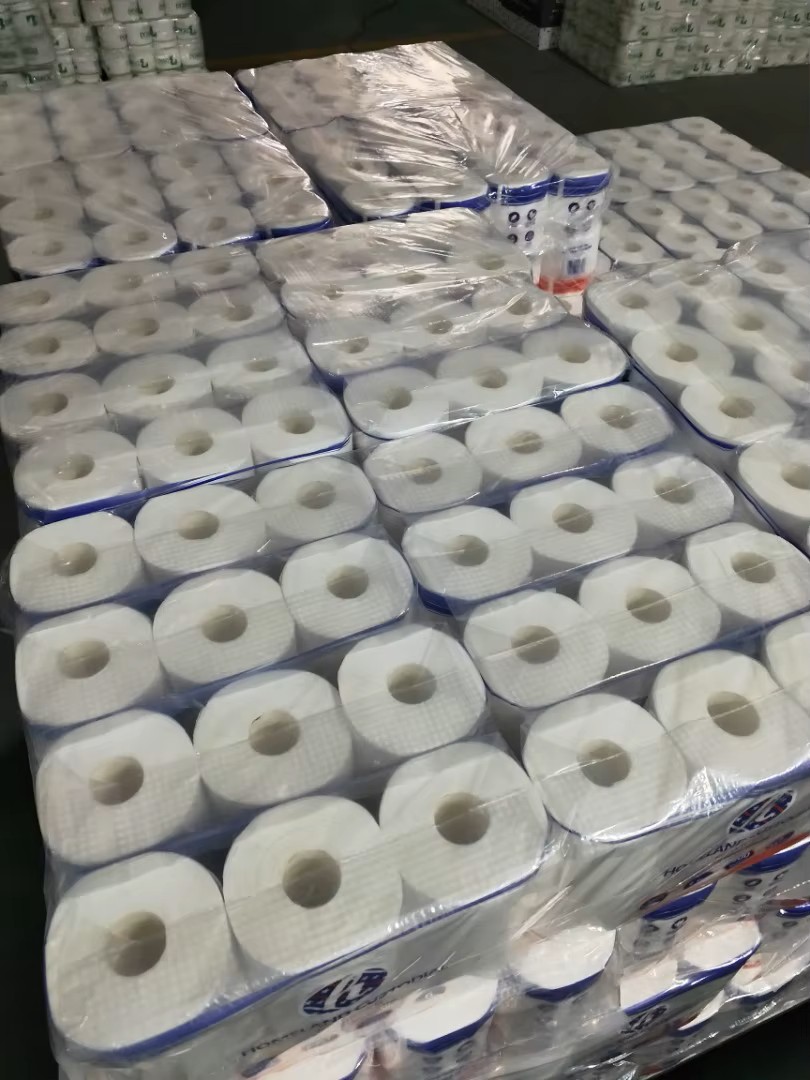
Most jumbo roll suppliers treat sheet count like a trade secret. You get a diameter and a weight, but never the number that actually determines your cost per flush. Top Source Hygiene prints the guaranteed sheet count directly on every case. That number is verified in the factory before shipping, not estimated from a formula.
- Factory testing protocol: Every production batch runs through an automated counter that logs sheet count per roll. Our QC team pulls random samples from each pallet and cross-checks against the printed label. If the count falls below the guarantee, the entire batch is reworked before it leaves Mancheng.
- GSM and ply consistency: We test GSM at three points across the parent roll width to ensure uniform thickness from edge to edge. A 2-ply 17 GSM roll stays at 17 GSM across all shifts. This prevents thin spots that cause early tear-through and inflate per-use consumption.
- Customization without hidden cuts: You can adjust ply (2–5), GSM (14–22), sheet length (4.0–4.5 inches), and core size (1.5–3 inches) to match your dispenser and traffic volume. We do not inflate cores or shrink sheet length behind your back. Every custom spec is locked into your order file and audited on every run.
Conclusion
Three yes/no questions separate a reliable supplier from one that hides costs behind a larger core or thinner paper. Ask: Does the spec sheet list exact sheet count per roll, not just diameter or weight? Is the core size 1.5 inches, and is the sheet length 4.5 inches? Is the GSM at least 17 for a 2-ply roll? If the answer to any is no, you are paying for air, not paper.
Run that checklist against your current supplier’s data. Then request a sample of our standard jumbo rolls and compare the actual sheet count against any competitor. You will see the difference in the roll itself.
Frequently Asked Questions
How many sheets are in a typical 9″ jumbo roll?
For a standard 9-inch outer diameter (OD) roll made of 2-ply 17 GSM paper, a roll with a 1.5-inch core provides approximately 1,050 sheets. However, if the manufacturer uses an oversized 3-inch core, the sheet count drops to around 880 sheets. Always verify the exact core diameter alongside the outer diameter to confirm the total sheet footage.
Why do some jumbo rolls feel ‘flimsy’?
A ‘flimsy’ feel usually indicates that the paper’s GSM (grams per square meter) is below the commercial standard of 15 for 2-ply tissue, or that the manufacturer has over-embossed the paper to mimic thickness. Low-GSM rolls lead to early tearing, forcing users to pull more sheets per visit and significantly increasing your long-term cost per use.