Skip to content
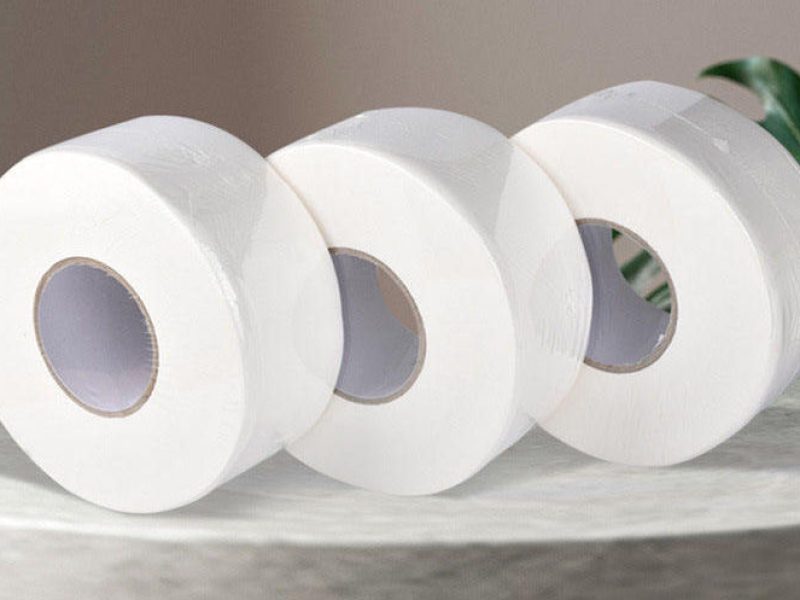
Dissolvability testing serves as the primary defense against systemic plumbing failures and the exorbitant emergency repair costs that plague high-traffic commercial facilities. When facility managers overlook the rate at which tissue breaks down, they risk recurring pipe blockages that disrupt daily operations and damage the bottom line. Selecting the wrong product leads to more than just a minor inconvenience; it creates a liability for maintenance teams who must manage aging infrastructure under constant heavy use.
This technical guide outlines the standard operating procedure for evaluating commercial paper products through the mason jar agitation test. We define the specific metrics for success, such as the ten-second breakdown threshold, and explain how to analyze the resulting slurry for fibrous residue. By following this protocol, procurement officers can verify manufacturer claims and ensure that every roll meets the requirements for rapid disintegration in complex drainage systems.
The Severe Consequences of Buying Non-Dissolving Tissue
Procuring tissue with poor dissolvability transforms a standard plumbing network into a high-risk liability, forcing property owners to choose between expensive emergency repairs or total infrastructure failure.
Plumbing System Blockages and Drainage Failures
Fibers that fail to disintegrate quickly trap other waste, creating solid obstructions within the drainage network. While industrial-grade strength is necessary for performance, products without rapid-disintegration engineering remain intact long after the flush. This physical resilience is detrimental to the flow dynamics of both commercial and residential sewer lines.
- Non-dissolving tissue stays intact within the trap, leading to immediate pipe clogs and restricted flow.
- Repeated use results in sewer backflows that compromise sanitation standards and hygiene in high-traffic buildings.
Increased Operational and Repair Costs
Property owners and facility managers face significant financial burdens from emergency plumbing services and long-term infrastructure damage. When a facility uses non-compliant paper products, the “savings” from cheaper procurement disappear into the costs of mechanical snaking and hydro-jetting.
- Frequent blockages force professional intervention, which raises monthly maintenance budgets and labor expenses significantly.
- Continuous pressure from accumulated solid waste accelerates the structural fatigue of aging piping systems, potentially leading to ruptures.
Degradation of Septic System Efficiency
Non-dissolving products accumulate as sludge in septic tanks, preventing the natural biological decomposition of organic waste. Septic systems rely on bacterial action to liquefy solids. If the paper does not break down, the bacteria cannot process the waste effectively, leading to a rapid rise in the sludge layer.
- Undissolved material fills septic tanks quickly, necessitating more frequent and expensive pumping cycles to avoid system failure.
- System overflows caused by paper buildup risk contaminating local groundwater and soil environments, creating environmental compliance issues.
The Standard Mason Jar Agitation Test Protocol
Standardized agitation testing quantifies the disintegration rate of commercial tissue, ensuring high-traffic facility plumbing remains free of costly fibrous obstructions.
Essential Equipment and Sample Preparation
Procurement teams use a clear 16-ounce glass jar to allow for precise visual monitoring during the agitation phase. Fill the container with exactly 300ml of room-temperature water to replicate standard plumbing conditions. Place a single sheet of Top Source Hygiene tissue onto the water surface. The 100% virgin wood pulp fibers begin reacting with the liquid immediately without needing manual immersion.
| Test Parameter | Standard Commercial Tissue | Top Source Hygiene (TSH Series) |
|---|---|---|
| Fiber Composition | Mixed/Recycled Waste | 100% Virgin Wood Pulp |
| Disintegration Speed | 45 – 90 Seconds | 10 – 20 Seconds |
| Slurry Consistency | Fibrous Chunks / Roping | Fine Cloudy Suspension |
Standardized Agitation Sequence
Seal the lid tightly once the paper becomes fully saturated. This ensures a consistent starting point for all tests. Perform a series of controlled vertical shakes to simulate the kinetic energy of a high-pressure commercial flush. We monitor the sample at specific intervals to determine the exact moment of structural failure. Top Source Hygiene products reach full disintegration within the critical 20-second window, outperforming generic multi-ply alternatives.
Visual Analysis of Fiber Breakdown
Analyze whether the paper remains a single sheet or transforms into a cloudy suspension of individual fibers. Identify any instances of “roping” or clumping. These clusters signal a high risk of blockages in septic lines or aging pipe systems. We compare these results against 2026 international benchmarks for rapid-dissolve hygiene products to verify manufacturing precision and OBA-free material integrity.
Industrial Application for Commercial Clients
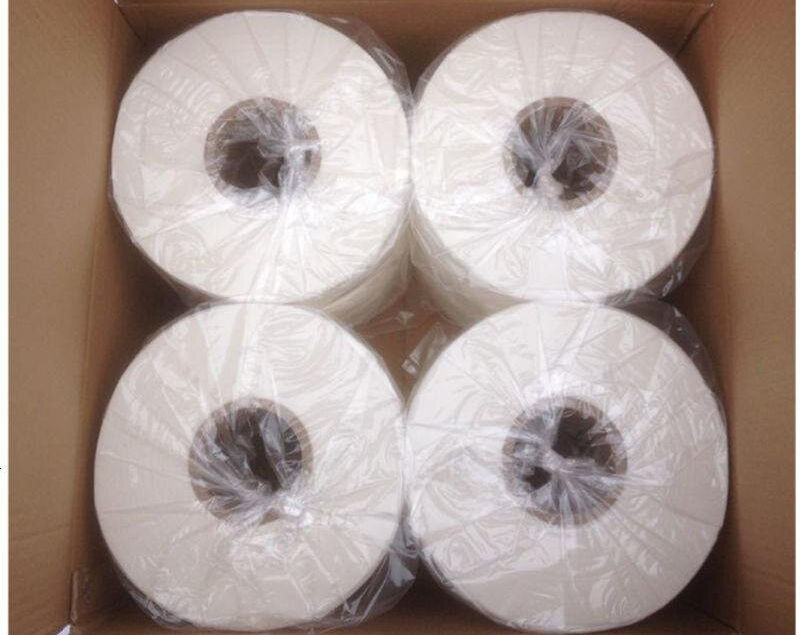
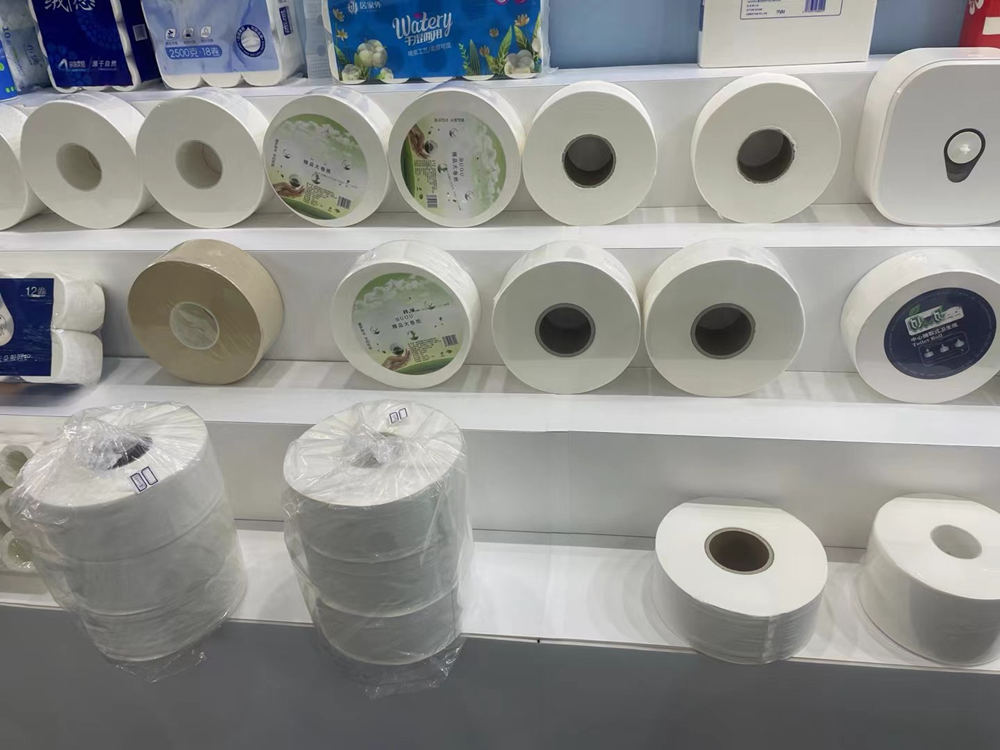
Test results empower procurement managers to select products that slash maintenance overhead for malls, airports, and hospitality venues. This data verifies the performance of custom-branded jumbo rolls across diverse plumbing environments. These tests also support sustainability reports by confirming the use of degradable wood pulp fibers that meet strict eco-friendly targets and global hygiene standards.
Premium Jumbo Rolls at Factory-Direct Prices
Timing the Breakdown: The 10-Second vs 30-Second Rule
Breakdown speed directly correlates with fiber length and ply-bonding precision, defining the difference between a functional product and a high-risk plumbing obstruction.
Rapid Fiber Detachment in the 10-Second Window
High-quality tissue using 100% virgin wood pulp facilitates immediate fiber separation upon water contact. We observed that premium facial tissues and 2-ply toilet papers often begin significant structural failure within 10 seconds. This rapid detachment prevents immediate blockages in low-flow toilet systems common in 2026 urban infrastructure. Top Source Hygiene utilizes long-fiber wood pulp to balance initial wet strength with this necessary rapid breakdown.
The 30-Second Standard for Complete Dispersion
Commercial-grade products and high-ply tissues must achieve full slurry formation within a half-minute benchmark to ensure septic safety. Jumbo rolls designed for high-traffic venues like airports or malls rely on the 30-second rule to protect complex drainage networks. Tests show that 3-ply and 4-ply options require this additional time for water to penetrate the inner layers and dissolve the bonding agents. Products failing to reach full dispersion by the 30-second mark pose a high risk for build-up in older plumbing systems.
| Dissolution Window | Material / Ply Specs | Plumbing Impact |
|---|---|---|
| 10 Seconds | 100% Virgin Wood Pulp (2-Ply) | Optimal for low-flow urban infrastructure. |
| 30 Seconds | Luxury 3-5 Ply / Commercial JRT | Safe for high-traffic septic and sewer lines. |
| 60+ Seconds | Mixed Waste / Recycled with High Binders | Critical risk; leads to cumulative pipe clogs. |
Impact of Ply Count and GSM on Breakdown Timing
The physical density and layer count of the paper directly dictate how quickly the product loses structural integrity. Higher Grams per Square Meter (GSM) ratings increase the paper weight, which often slows the saturation process. We analyzed 5-ply samples and found they require specific embossing patterns to maintain a 30-second breakdown while offering luxury thickness.
- Precision perforation ensures clean-cut lines that prevent “shredded edges” which can clump during saturation.
- Ply-bonding technology using high-pressure lamination prevents layer separation while allowing water penetration.
- Strictly controlled 13–22g/m² per ply balances immediate user comfort with technical dissolvability requirements.
Analyzing the Slurry: Fibrous Chunks vs Cloudy Water
Analyzing slurry consistency provides an immediate, empirical verdict on whether a tissue’s fiber-bonding chemistry will bypass or block a commercial septic system.
Interpreting Persistent Fibrous Chunks
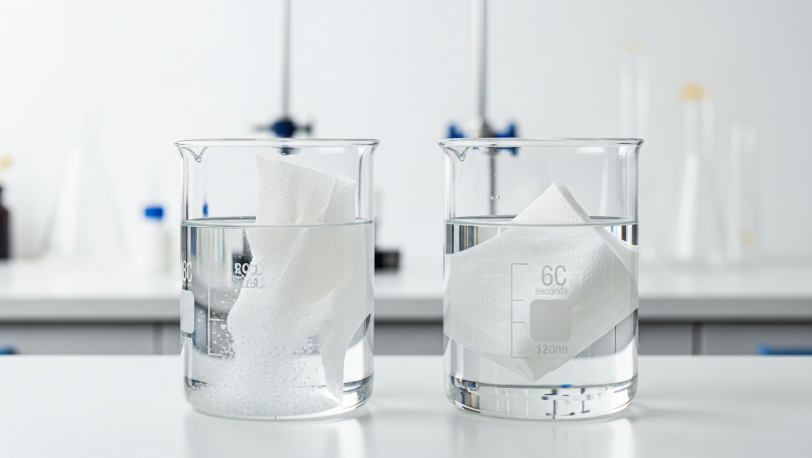
Large clusters or chunks in the test jar prove that paper fibers remain bonded despite mechanical agitation. These persistent remnants confirm the presence of high wet-strength resins often found in non-septic-safe products. We identify these clusters as primary failure points in 2026 high-traffic facility tests because they do not simulate the rapid breakdown required for modern waste systems.
- Solid remnants increase the risk of snagging on aged plumbing or septic baffles.
- Persistent fibers indicate chemical additives that resist natural bacterial decomposition.
- Large chunks lead to sediment accumulation, requiring more frequent professional tank pumping.
Characteristics of Optimal Cloudy Water Suspension
A uniform, cloudy appearance shows that the tissue successfully separated into individual fibers. This state of total fiber liberation ensures the slurry moves through sewage lines as a liquid rather than a solid. Top Source Hygiene utilizes 100% virgin wood pulp specifically engineered to reach this state within 30 seconds of agitation, ensuring the material never accumulates in the septic environment.
| Slurry Metric | Low-Grade Result (Failed) | Top Source Hygiene Standard |
|---|---|---|
| Fiber State | Dense, visible clumps | Total fiber separation |
| Visual Clarity | Clear water with sediment | Uniformly cloudy suspension |
| Flow Risk | High pipe snagging potential | Safe, free-flowing liquid slurry |
Visual Benchmarks for Procurement Quality Control
Procurement officers use slurry consistency as a primary quality control metric. Comparing the turbidity of different GSM (grams per square meter) options helps hotel groups select the right balance of softness and plumbing safety. Products that leave clear water with heavy sediment signal high-density bonding that will cause long-term maintenance issues in septic-dependent properties.
We recommend that facility managers document the 30-second agitation result for every new batch of wholesale paper. This empirical approach filters out residential-grade paper that uses “septic safe” labels as a marketing tactic without meeting industrial-grade dissolution speeds.
Why “Septic Safe” Labels on Residential Paper Are Misleading
The current gap between “septic safe” marketing and the physical breakdown rates of multi-ply paper creates significant risk for low-flow plumbing systems in 2026.
📊 Marketing Claims vs. Practical Breakdown Rates
Standardized septic-safe labels often rely on static immersion tests that fail to simulate the actual conditions of 2026 low-flow plumbing systems. Most residential brands prioritize wet strength and softness to satisfy consumer demand for a premium feel. This design choice directly slows down the disintegration process once the paper enters a septic tank. While labels suggest immediate safety, many retail products require extensive time and mechanical agitation to dissolve fully. Regulatory gaps allow manufacturers to claim safety based on the absence of plastic additives rather than the actual speed of fiber breakdown.
🏗️ Physical Resistance in Multi-Ply Household Paper
The shift toward premium 4-ply and 5-ply residential options creates massive physical barriers to rapid dissolution. We produce dense 4-ply and 5-ply wood pulp papers at Top Source Hygiene that provide luxury but possess high fiber density. These thicker layers trap air and resist water penetration, causing the paper to float or clump instead of shredding. Residential septic systems in 2026 often lack the turbulence needed to break apart these reinforced paper structures quickly. This turns a “safe” product into a potential blockage in the distribution lines.
🌲 Structural Integrity of Long-Fiber Virgin Wood Pulp
Using high-quality virgin wood pulp ensures product durability but complicates the dissolving process in stagnant septic environments. Top Source Hygiene utilizes 100% virgin wood pulp to maintain high absorbency and tensile strength. Longer fibers create a tighter structural mesh that resists the enzymatic breakdown common in septic tanks. Durability in the hand translates to persistence in the pipes. Because of this, the “septic safe” label remains a relative term rather than a functional guarantee for every plumbing configuration.
Requesting Test Samples from Wholesale B2B Manufacturers
Testing physical samples is the only objective method to verify 100% OBA-free compliance and rapid disintegration specs before committing to a 40HQ container.
Sample Processing Timeframes
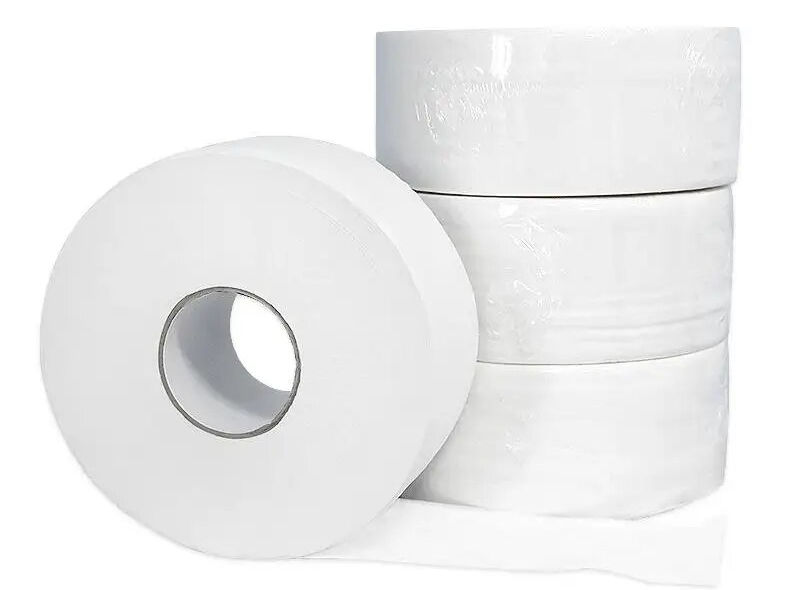
We ship stock samples within two to three days to facilitate immediate quality checks. These units allow buyers to evaluate fiber strength and tactile softness without delay. If your project requires specific OEM or ODM modifications, the production cycle for these customized evaluation units extends to approximately 10 days.
Rapid dispatch ensures global partners receive testing materials early in their 2026 procurement planning cycles. This timeline supports efficient decision-making for high-volume distributors who must secure inventory before peak demand seasons in regions like North America and Europe.
Quality Verification and Cost Structure
We eliminate financial friction by providing free samples to all global partners. Our factory covers all shipping costs associated with sample delivery to ensure a risk-free verification process. Direct testing allows buyers to confirm technical parameters like GSM, ply density, and material integrity before placing bulk orders.
- Verify 100% Virgin Wood Pulp purity and lint-free performance.
- Assess ply-bonding technology and embossed texture absorbency.
- Measure precision perforation quality for clean-cut sheet separation.
Transitioning from Testing to Bulk Orders
Sample approval serves as the final technical gate before we initiate full-scale manufacturing. Standard bulk orders typically utilize 40-foot high-cube containers to maximize freight efficiency and lower the landed cost per roll. We maintain flexible minimum order quantities for emerging markets in Africa and South America to support growing distribution networks.
Once you approve the sample, production for the full 40HQ payload concludes within 20 to 25 days. We provide visual verification, including photos and videos of the finished goods and the loading process at the Hebei industrial hub, before you settle the balance payment. This transparency ensures the delivered product matches the tested sample exactly.
Conclusion
Regular disintegration testing protects facility plumbing and prevents expensive emergency repairs. Standardized protocols confirm that bulk paper supplies meet necessary safety requirements for high-traffic septic systems.
Review your current inventory to ensure it aligns with these disintegration benchmarks. Contact our team to request technical data sheets or test samples from our manufacturing facility.
Frequently Asked Questions
How to test if commercial toilet paper is septic safe?
To test if commercial toilet paper is septic safe, first verify the packaging for a “Septic Safe” certification or compliance with industry standards like NSF/ANSI 44. You can perform a manual solubility test by placing a few sheets in a container of water, letting them soak for a minute, and then stirring; safe paper should break into small, cloudy fragments rather than remaining in large, cohesive clumps.
What is the mason jar toilet paper test?
The mason jar test is a simple DIY method used to simulate the agitation of a plumbing system. Fill a mason jar halfway with water, add two sheets of toilet paper, and shake it vigorously for approximately 30 to 60 seconds. If the paper has disintegrated into small particles or a fine pulp, it is safe for septic use; if the sheets remain largely intact, the product poses a high risk for clogs.
How fast should commercial toilet paper dissolve?
High-quality commercial toilet paper should begin to break down within 15 to 30 seconds of contact with water and agitation. Total disintegration into fine fibers should ideally occur within 1 to 2 minutes. Rapid-dissolve technology is critical in commercial settings to prevent build-up in high-traffic plumbing lines and septic tanks.
Why does some toilet paper not break down in water?
Some toilet papers do not break down because they are manufactured with “wet-strength” additives, long cellulose fibers, or heavy binding glues designed to keep the paper from tearing during use. While this increases durability, it prevents the paper from losing its structural integrity in the water, which is the primary cause of septic system failure and pipe blockages.
How to request wholesale toilet paper samples?
To request wholesale samples, contact reputable B2B manufacturers or distributors through their official websites. Most industry leaders provide a dedicated “Request a Sample” or “Inquiry” form where you can specify your required GSM, ply count, and annual volume. Professional suppliers typically provide these samples to verified businesses to ensure the product meets the specific plumbing and performance needs of their facilities.
Is thick commercial toilet paper bad for pipes?
Thick toilet paper is not inherently bad for pipes, but it becomes a major risk factor if it lacks rapid-dissolve engineering. Ultra-plush or multi-ply papers (3-ply and above) that do not break down quickly can snag on pipe imperfections or settle in low-flow areas, eventually creating solid obstructions that require professional hydro-jetting to clear.