Skip to content
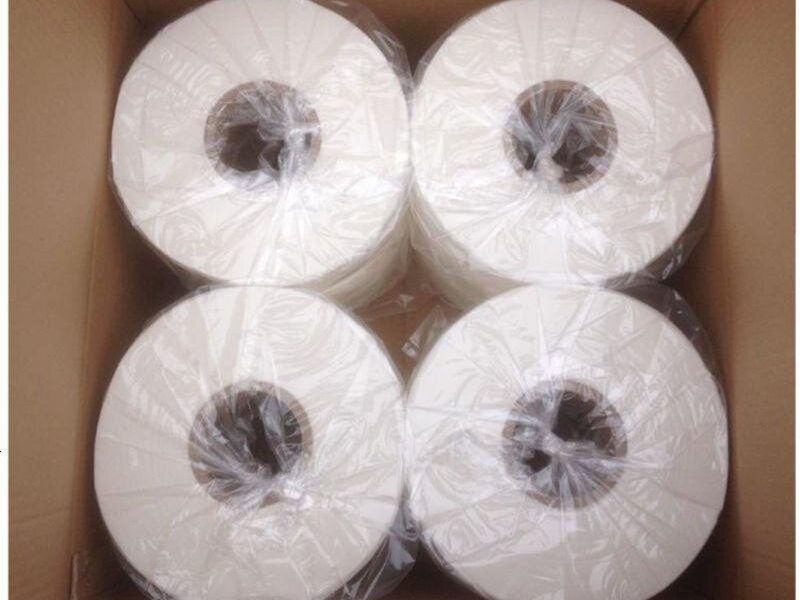
Choosing between oxygen vs chlorine bleach determines whether a commercial facility meets its ESG mandates or risks a significant hit to its environmental compliance rating. Legacy bleaching methods often lead to dioxin buildup in wastewater, creating a liability that can derail corporate sustainability audits. Procurement teams must understand these whitening processes to avoid sourcing products that conflict with modern environmental standards.
This technical analysis clarifies the chemical transition from Elemental Chlorine Free (ECF) to Totally Chlorine Free (TCF) manufacturing. We explain how oxygen bleaching maintains paper softness while protecting fiber strength, providing the data needed to source jumbo rolls that align with green procurement standards. This breakdown serves as a guide for selecting tissue products that balance operational performance with ecological safety.
The Chemistry of Bright White Commercial Tissue
Modern tissue whitening shifts from aggressive chlorination to oxygen-based stabilization to preserve fiber tensile strength while achieving high brightness.
Primary Bleaching Methods for Commercial Tissue
Manufacturers utilize Elemental Chlorine Free (ECF) and Totally Chlorine Free (TCF) processes to satisfy international safety regulations. Oxygen bleaching creates a high-contrast white finish. This method lowers the chemical burden on local environments compared to legacy elemental chlorine gas.
Standards for Whiteness and Optical Brightness
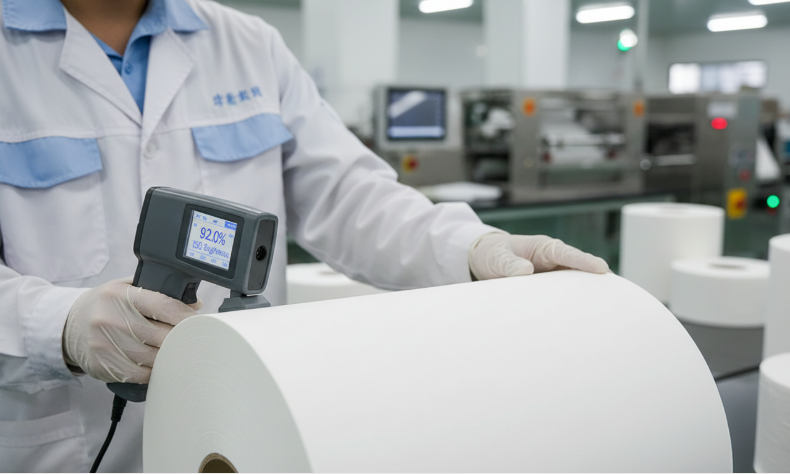
Industry benchmarks define quality through specific light reflection percentages. Premium commercial products target an 80-90% brightness level to meet the aesthetic requirements of high-traffic venues. Maintaining whiteness across bulk wholesale orders requires precise chemical dosing during pulp processing.
Chemical Integrity of Virgin Wood Pulp Fibers
Using 100% virgin wood pulp allows for effective whitening without damaging the structural softness of the material. Virgin fibers react predictably to whitening agents. This ensures a uniform appearance in multi-ply products. Minimal chemical intervention preserves the natural absorbency and durability of the paper.
Safety Protocols for Non-Fluorescent Whitening
Production lines avoid fluorescent whitening agents to comply with FDA and international health standards. Eliminating these chemicals prevents skin irritation and aligns with corporate sustainability goals. Eco-friendly whitening alternatives ensure the final product remains safe for use in clinics, hotels, and homes.
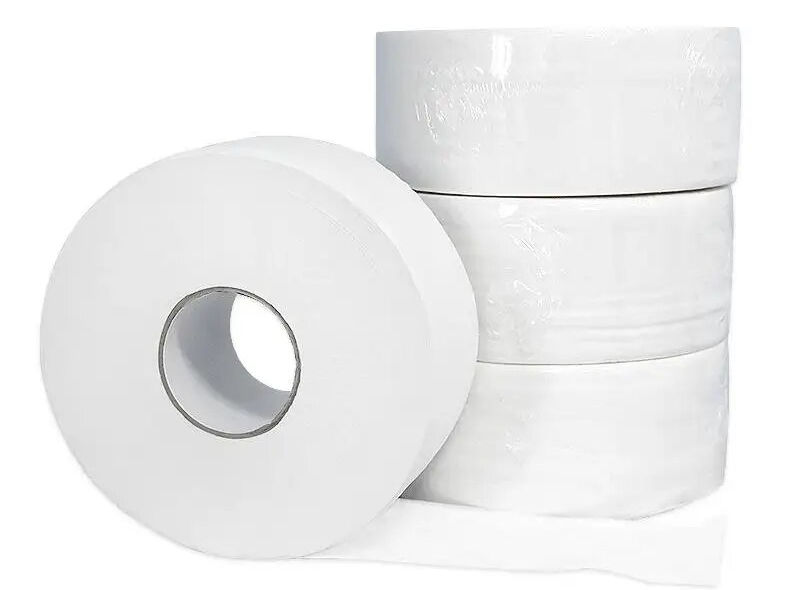
Elemental Chlorine Free (ECF) vs Totally Chlorine Free (TCF)
Modern tissue manufacturing relies on ECF for fiber strength and industrial efficiency, while TCF serves as the specialized choice for clients meeting the most aggressive European ESG mandates.
Defining ECF Bleaching Technology
ECF technology serves as the current industrial benchmark for whitening paper pulp without using elemental chlorine gas. By replacing gas with chlorine dioxide, mills successfully eliminate the formation of dioxins and other toxic organochlorine compounds that historically plagued wastewater discharge. Top Source Hygiene utilizes ECF for its bulk virgin wood pulp production to ensure we meet 2026 environmental safety regulations while maintaining the 85-92% brightness levels expected by global distributors.
Defining TCF Bleaching Technology
TCF processes remove all chlorine-based compounds from the bleaching sequence. Manufacturers instead rely on oxygen-based alternatives like hydrogen peroxide, ozone, or pure oxygen to whiten the fibers. This method yields a product with zero chlorine-related discharge, making it a favorite for North American and European retailers focusing on chemical-free marketing. TCF pulp often results in a slightly lower brightness compared to ECF, but it offers the highest level of environmental safety in the tissue industry.
| Performance Factor | ECF (Standard) | TCF (Premium Eco) |
|---|---|---|
| Primary Agent | Chlorine Dioxide | Oxygen / Hydrogen Peroxide |
| Fiber Integrity | Superior (High Ply-Bonding) | Moderate (Finer Degradation) |
| Global Market Share | Approximately 93% | Approximately 3% |
| Dioxin Status | Negligible / Trace | Absolute Zero |
Performance and Environmental Trade-offs
Choosing between ECF and TCF involves balancing paper durability with specific ecological footprints. ECF yields stronger fibers, making it the ideal choice for 4-ply and 5-ply luxury toilet paper models like our TSH-4010 series. TCF minimizes wastewater toxicity and directly supports corporate green initiatives, yet it requires more energy and more raw wood during processing to achieve comparable whiteness. We provide both options to help global partners align with their regional compliance needs and consumer preferences.
Custom Jumbo Rolls: Quality Your Brand Deserves
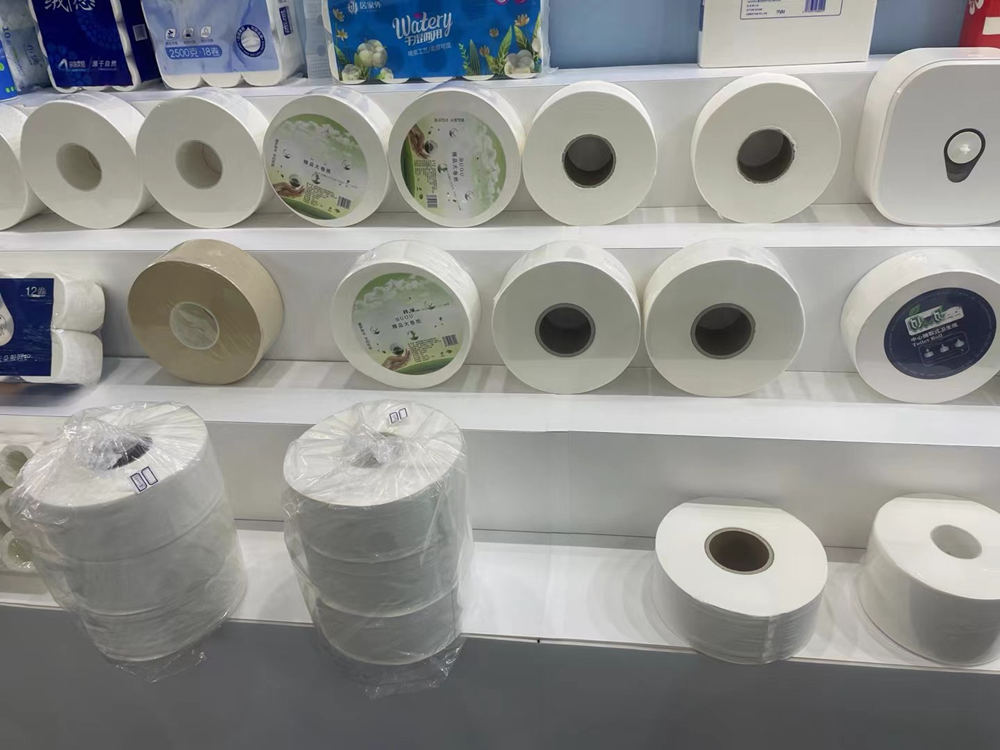
The Environmental Danger of Dioxins in Wastewater
Chlorine-based bleaching processes release persistent organochlorine compounds that accumulate in aquatic ecosystems and trigger long-term physiological damage in human populations.
Bioaccumulation in Aquatic Food Chains
Chemical byproducts from chlorine bleaching settle in riverbed sediments and remain active for decades without breaking down. Small aquatic organisms ingest these toxic particles, which then concentrate within fatty tissues as they move up the food web. This process, known as bioaccumulation, intensifies toxin levels in fish and larger predators that consume contaminated prey.
The resulting ecological impact is severe. We observe a sharp decline in biodiversity as local wildlife suffers from reproductive failure and increased mortality rates. These persistent pollutants transform healthy waterways into toxic corridors, disrupting the natural balance of aquatic habitats.
Human Health Risks from Tainted Waterways
Exposure to dioxin-contaminated water sources poses direct physiological threats to surrounding communities. Dioxins act as potent endocrine disruptors, leading to significant hormonal imbalances and immune system suppression. Populations relying on these local water sources face elevated risks of chronic illness and long-term health complications.
Studies in affected regions show a correlation between chemical exposure and developmental delays in children. Furthermore, long-term contact with these tainted environments increases the incidence of reproductive issues and specific types of cancer, highlighting the urgent need for cleaner bleaching alternatives.
2026 Wastewater Discharge Standards
Current 2026 industry regulations enforce a zero-tolerance policy for detectable levels of dioxins in manufacturing effluent. Facilities must integrate advanced membrane filtration systems and multi-stage treatment processes to remove microscopic chemical residues effectively. We monitor chemical oxygen demand and AOX levels daily to ensure all discharge meets these rigorous ecological safety benchmarks.
Strict compliance with these standards prevents heavy legal penalties and protects the global reputation of manufacturers. By adhering to these guidelines, paper industrial hubs ensure their operations do not compromise the environmental integrity of the surrounding landscape while maintaining high production volumes.
Oxygen Bleaching: The Sustainable Whitening Alternative
Transitioning to closed-loop oxygen bleaching systems allows B2B distributors to satisfy 2026 ESG mandates while ensuring 100% OBA-free safety for high-traffic commercial environments.
Replacing traditional chlorine-based methods with oxygen and hydrogen peroxide eliminates the formation of toxic organochlorine compounds. Top Source Hygiene implements these protocols to align with strict North American and European wastewater standards. This shift significantly lowers the chemical oxygen demand in production facilities, supporting the industry move toward sustainable manufacturing. Oxygen-based agents break down lignin effectively without creating the harmful dioxins associated with legacy bleaching cycles.
| Bleaching Technology | Chemical Agents Used | Environmental Impact |
|---|---|---|
| Elemental Chlorine (Legacy) | Chlorine Gas | High Dioxin Formation |
| ECF (Standard) | Chlorine Dioxide | Trace Dioxins / EPA Compliant |
| TCF (Oxygen/Active) | O2 / Hydrogen Peroxide | Zero Chlorine / Closed-loop |
The Chemistry of Active Oxygen in Pulp Processing
Active oxygen species target and neutralize color-causing pigments in wood fibers without the need for fluorescent whitening agents. This modern approach ensures high brightness levels for 100% virgin wood pulp while operating at lower temperatures. Reduced thermal requirements save energy during the manufacturing phase. Hydrogen peroxide acts as a selective oxidizing agent, resulting in consistent professional grades suitable for premium facial tissues and luxury hotel supplies.
Preserving Fiber Strength for Superior Softness
Oxygen bleaching maintains the natural polymer chain length of cellulose, unlike harsh acids that degrade fiber integrity. This preservation directly improves the durability of 3-ply and 4-ply tissues found in jumbo rolls. Gentle oxidation keeps the paper soft to the touch while increasing the absorbency of napkins and kitchen towels. Clients report higher satisfaction scores because the process balances mechanical strength with a quilted, comfortable texture.
Regulatory Compliance and FSC Alignment
Adopting oxygen-based whitening enables products to meet ISO 9001 and EU hygiene standards for 2026. FSC-certified virgin wood pulp retains its eco-label status through this chemical process. These products pass FDA inspections for skin-contact safety, as they remain free of chemical irritants. Sustainable whitening assists corporate clients in fulfilling internal green procurement mandates and strengthens brand positioning in eco-conscious markets.
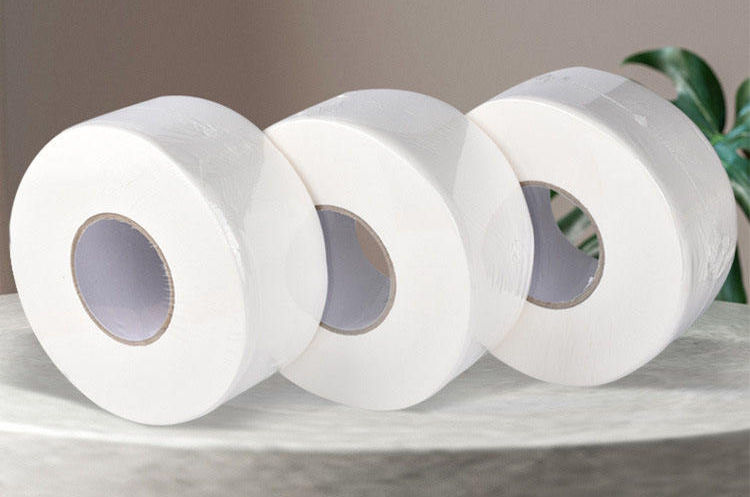
Impact on Paper Softness and Fiber Degradation
Raw fiber selection and oxygen-based processing preserve the long-chain cellulose required to balance high-tensile strength with premium tactile softness in commercial tissue.
Structural Integrity of Virgin Wood Pulp
Top Source Hygiene prioritizes 100% virgin wood pulp to secure long-chain cellulose fibers, which act as the primary scaffolding for the tissue. These longer fibers create a resilient paper web that resists shredding, even under mechanical stress. This approach avoids the premature fiber fragmentation common in recycled materials, ensuring the product maintains its integrity from the roll to the user.
Chemical Influence on Fiber Tensile Strength
Whitening agents significantly impact the internal bonding of paper sheets. Aggressive bleaching chemicals frequently degrade the natural strength of wood fibers, making them brittle. Oxygen-based bleaching methods protect the cellulose structure, maintaining the necessary fiber flexibility. This technical choice ensures the tissue remains soft and pliable throughout its shelf life in 2026, avoiding the scratchy texture associated with chemical over-processing.
Layering Techniques for Tactile Comfort
Softness is an engineering outcome involving ply count and GSM calibration. Configurations ranging from 2-ply to 5-ply use high-pressure lamination to create air cushions between layers. These air pockets improve perceived softness naturally without requiring excessive chemical softening agents. Precise GSM (Grams per Square Meter) calibration balances the thickness of the sheet with the required material pliability.
Durability Metrics in Commercial Tissue Products
Commercial environments require tissue that resists linting and pilling during high-traffic use. Baoding factory standards utilize advanced testing equipment to monitor fiber bonding and absorbency in jumbo rolls and kitchen towels. Proper fiber bonding prevents linting when the paper contacts moisture or rough surfaces. Consistent fiber density across all production batches ensures the paper handles moisture without losing its structural form.
Sourcing TCF Jumbo Rolls to Satisfy Corporate ESG Mandates
Totally Chlorine Free (TCF) jumbo rolls provide a zero-dioxin whitening solution that allows global distributors to meet the most stringent ESG procurement mandates in 2026.
ESG Alignment through FSC-Certified Materials
Procurement teams prioritize FSC-certified products to ensure raw material traceability and forest sustainability. Transitioning to TCF materials helps North American and European retailers satisfy increasing green consumer demands. Using 100% virgin wood pulp free from fluorescent whiteners supports corporate health and safety initiatives by removing chemical irritants that affect sensitive skin.
| Compliance Metric | TCF Specification (TSH) | ESG Impact |
|---|---|---|
| Bleaching Agent | Oxygen / Ozone / Hydrogen Peroxide | 100% Dioxin Elimination |
| Material Origin | FSC-Certified 100% Virgin Wood Pulp | Verified Forest Traceability |
| Chemical Additives | 100% OBA-Free | Hypoallergenic Safety Compliance |
Manufacturing Capacity for Sustainable Commercial Solutions
Large-scale production facilities enable a consistent supply of eco-friendly paper products for high-traffic commercial sectors. Top Source Hygiene utilizes two modern factories to produce 2,860 tons of paper products monthly. High-capacity jumbo rolls reduce maintenance frequency and waste in airports, malls, and office complexes. The factory-direct model provides transparency in the supply chain, allowing for easier ESG audit compliance.
Global Compliance and Quality Standards in 2026
Maintaining international certifications ensures that TCF products meet the diverse regulatory requirements of global markets. Strict quality control processes adhere to ISO 9001 and FDA standards to guarantee product durability and safety. Customization options allow hospitality and healthcare brands to align product specifications with regional hygiene mandates. Reliable shipping routes to 56+ countries facilitate the steady delivery of sustainable goods to support international operations.
Conclusion
Choosing Totally Chlorine Free (TCF) jumbo rolls helps organizations meet ESG mandates while maintaining high standards for skin safety and fiber strength. Oxygen-bleached tissue eliminates dioxin risks in wastewater and provides a premium, lint-free experience for high-traffic facilities. These manufacturing standards ensure long-term compliance with international hygiene regulations and corporate environmental goals.
Evaluate your current procurement specifications to see if TCF or oxygen-bleached rolls better align with your sustainability targets. Contact our factory team to request a technical catalog or a sample for your next bulk container order.
Frequently Asked Questions
Is commercial toilet paper bleached with chlorine?
Modern commercial toilet paper is rarely bleached with pure elemental chlorine gas due to strict environmental regulations. Instead, most manufacturers utilize Elemental Chlorine-Free (ECF) processes, which use chlorine dioxide, or Totally Chlorine-Free (TCF) methods to achieve high brightness while minimizing toxic byproducts.
What does TCF mean in toilet paper manufacturing?
TCF stands for Totally Chlorine-Free. In tissue manufacturing, this indicates that no chlorine or chlorine derivatives (such as chlorine dioxide) were used in the bleaching process. Instead, the pulp is whitened using oxygen, ozone, or hydrogen peroxide, which are significantly more environmentally friendly.
Is oxygen bleached toilet paper safe?
Yes, oxygen bleaching is considered the safest and most eco-friendly method for whitening commercial tissue. This process breaks down into water and oxygen, leaving no toxic dioxin residues on the final product, making it ideal for sensitive skin and ensuring no harmful chemicals enter the water system.
Why is chlorine bad for toilet paper?
Traditional chlorine bleaching creates organochlorines, including dioxins, which are highly toxic and persistent environmental pollutants. These chemicals can cause long-term ecological damage to waterways and may leave trace irritants on the tissue that can affect users with skin sensitivities or chemical allergies.
What is the difference between ECF and TCF tissue?
ECF (Elemental Chlorine-Free) uses chlorine dioxide to replace elemental chlorine, which significantly reduces harmful emissions but still involves chlorine chemistry. TCF (Totally Chlorine-Free) removes chlorine entirely from the process, using oxygen-based agents. TCF is the superior choice for sustainability and chemical-free manufacturing.
How to source sustainable white jumbo rolls?
To source sustainable white jumbo rolls, prioritize suppliers with FSC (Forest Stewardship Council) or PEFC certifications. Specifically request TCF (Totally Chlorine-Free) or PCF (Processed Chlorine-Free) products to ensure the bleaching process meets the highest environmental standards for chemical safety and forest conservation.