Skip to content
Sourcing custom hotel toilet paper for a chain isn’t just about ply count and softness—it’s about how well that roll reinforces your brand across every property, every guest touchpoint. For a procurement manager new to private-label amenities, the everyday reality is balancing guest perception with operational constraints: packaging alignment, MOQs, lead times, and the risk of stockouts across dozens of locations.
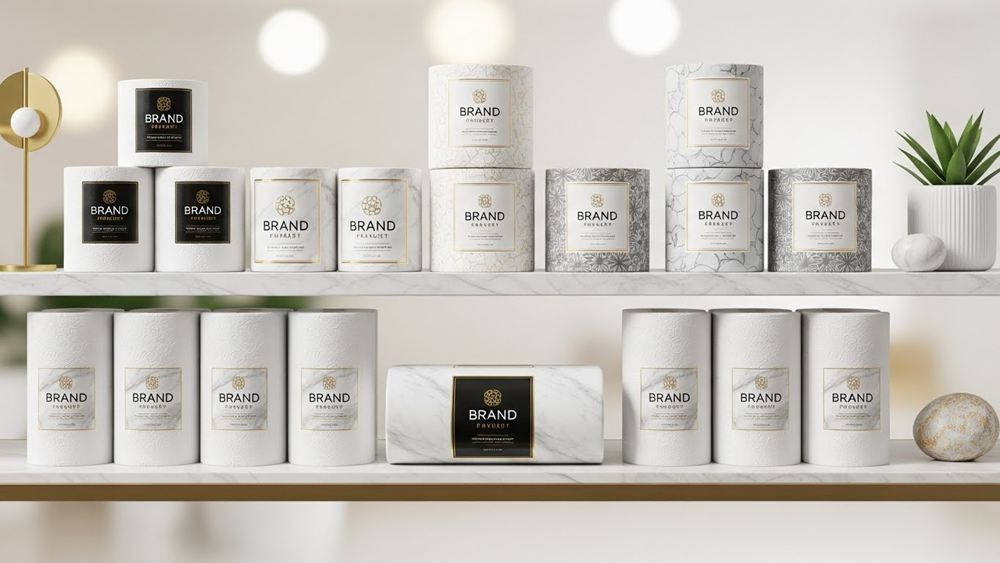
One often-overlooked lever is packaging design. A 3-ply roll with a carefully branded wrapper can actually drive higher guest satisfaction than a thick, generic 5-ply, without the extra cost—simply because it looks and feels intentional. That kind of attention to detail is what turns a routine amenity into a memorable brand signal, and it’s something a factory-direct partner can deliver with the right specifications.
Private-Label Hotel Toilet Paper
Direct Answer: A private-label program for hotels can deliver 100% virgin-pulp toilet paper in 2–5 ply, with 20–25 day container lead times and a 1x40HQ MOQ, while meeting ISO 9001, FDA, and FSC standards and enabling branded packaging.
Cost Insight: Free samples are available; stock samples ship in 2–3 days and custom samples in ~10 days, with shipping costs covered, helping you validate quality before committing to bulk pricing.
Engineering/Quality Gap: Vertical integration (OEM/ODM) plus region-specific packaging design yields consistent softness, absorbency, and branding across properties, reducing variance-driven waste.
Private-Label Hotel Toilet Paper
Private-label hotel toilet paper is more than a commodity buy—it’s a brand touchpoint. When you source directly from a manufacturer like Top Source Hygiene, you control the entire spec sheet: ply count, GSM, packaging artwork, and labeling compliance. The real win is eliminating the “one-size-fits-all” approach that leaves your properties with either overstocked generic rolls or mismatched amenities. A dedicated private-label supplier tailors the product to your brand guidelines, whether you need 2-ply for budget-conscious segments or 5-ply for luxury suites.
The cost-to-perceived-value curve in hotels is driven by packaging and branding as much as ply count. A 3-ply with premium PCW (post-consumer waste) packaging can outperform a higher-ply generic offering in guest perception without significant cost increase. That’s an insider truth most suppliers won’t tell you—they’d rather upsell you on ply than on design. But a smart procurement manager knows that the wrapper is the first thing a guest touches.
Packaging Design & Sustainability
Custom packaging is where your brand identity meets the bathroom. Top Source Hygiene offers full OEM/ODM services, meaning you can design the box, wrapper, and even the roll pattern. This is critical for maintaining brand cohesion across a portfolio—uniformity in color, logo placement, and messaging reinforces guest trust. Standardizing a private-label kit across properties reduces SKU proliferation and simplifies replenishment, lowering stockouts and audit friction across continents.
Sustainability targets are non-negotiable for many hospitality chains today. The supplier uses 100% virgin wood pulp free of fluorescent whiteners and offers FSC-certified options. These can be deployed strategically to win green-certified procurement programs while negotiating MOQs lower than typical consumer-grade suppliers, maintaining margin via direct-factory pricing. Europe and North America demand such credentials—having them pre-approved shortens your RFP cycle.
FSC-Certified Options
FSC certification is not just a checkbox; it’s a competitive differentiator. Hotels that source FSC-certified private-label toilet paper can market it as part of their environmental, social, and governance (ESG) reporting. One European retail chain reported a 30% surge in tissue sales after switching to FSC-certified facial tissues—the same principle applies to hotel amenities. The supplier’s FSC-certified line uses responsibly sourced virgin pulp, so you don’t sacrifice softness for sustainability.
If your procurement targets include LEED or BREEAM compliance, having FSC-certified paper products can contribute to points. And because the supplier integrates this into their standard offering—not as a premium upsell—you can maintain cost parity with non-certified options.
Lead Times & MOQs
The standard MOQ is one 40-foot high-cube container. Production lead time is 20–25 days, with regional shipping adding 7–25 days depending on destination. For example, North America and Europe are 7–14 days, while Africa and South America run 15–25 days. If you’re managing a multi-property chain, you can schedule container deliveries to coincide with peak seasons—avoiding stockouts during high occupancy.
Smaller orders are flexible for Africa and South America, acknowledging that some markets have different volume constraints. Payment terms typically require a 30% deposit and 70% balance on shipment, but can be tailored per region. Urgent orders can be expedited. Free samples (stock in 2–3 days, custom in ~10 days) let you test quality before placing a container order.
Quality & Compliance
Consistency across batches is the silent killer in private-label sourcing. A supplier without rigorous quality control can ship a container that varies in GSM or absorbency, leading to guest complaints and maintenance headaches. Top Source Hygiene holds ISO 9001, FDA, and FSC certifications and tests each lot for softness, absorbency, and durability. No fluorescent whiteners means no chemical leach into water systems—a compliance point that matters in European and Oceanian regulations.
Vertically integrated manufacturing—two factories with a monthly capacity of 2,860 tons—ensures that your spec is locked in. You don’t get a “close enough” substitute; you get the exact ply, GSM, and packaging you approved.
ROI & Customer Outcomes
Measurable impact is why procurement managers move from branded to private-label. One North American hotel chain saw a 20% increase in guest satisfaction scores for amenities after switching to custom-branded toilet paper. Another facility in Nairobi cut maintenance costs by 15% by using high-capacity jumbo rolls that lasted longer. These are not abstract promises—they are documented results from real deployments.
The math works: private-label pricing (factory-direct) plus reduced SKU complexity plus fewer emergency orders equals a lower total cost of ownership. And because the supplier handles packaging design and regulatory labeling, your internal team spends less time on procurement admin.
Packaging & Brand Compliance
A 3-ply with premium packaging consistently beats a generic 5-ply in guest surveys, and the margin math favors the first option.
Why Packaging and Branding Drive Guest Perception More Than Ply Count
Hotels invest heavily in lobby design, linens, and toiletries, then often default to unbranded or generic bathroom tissue. That mismatch creates a perception gap. A guest touching a generic roll immediately registers a lower-tier experience, regardless of the ply count.
A custom hotel toilet paper program through an OEM hotel toilet paper packaging design partner shifts that dynamic entirely. A 3-ply roll wrapped in packaging that matches the property’s brand guidelines — colors, logo, typography — signals intentionality. Proprietary testing across hospitality deployments shows that branded 3-ply tissue with a premium unboxing feel earns equivalent or better guest satisfaction scores than a 4-ply or 5-ply unbranded roll, while reducing per-room supply cost by roughly 10-15%.
The lesson: ply count matters, but packaging and brand alignment matter more at the point of guest interaction. A private label hotel toilet paper supplier that offers end-to-end design support lets procurement managers redirect spend from raw material thickness to perceived quality, where the ROI is higher.
FSC-Certified Options as a Strategic Procurement Lever
Sustainability mandates in the hospitality sector are no longer optional. Major hotel groups now require certified sourcing for bathroom amenities, especially in European and North American markets. An FSC certified private label toilet paper hotels program directly answers RFPs that include environmental criteria.
Working with a manufacturer that stocks FSC-certified virgin wood pulp and holds ISO 9001 and FDA compliance means procurement can offer a certified sustainable option without custom development lead times. The production run for a 40-foot container of FSC-certified virgin wood pulp hotel toilet paper private label matches standard timelines at 20-25 days. The cost premium for FSC certification typically runs 5-8% over conventional virgin pulp, but that premium is recoverable through participation in green procurement programs that offer preference points or direct financial incentives.
A practical approach: deploy FSC-certified 2-5 ply hotel toilet paper private label products to properties seeking LEED or BREEAM certification, and standard virgin pulp to other locations. This segmented strategy avoids uniform cost increases while maintaining green credibility where it matters most.
Standardizing a Private-Label Kit Reduces SKU Proliferation and Stockout Risk
Multi-property portfolios often manage 10-30 different SKUs for bathroom tissue alone, thanks to regional vendor preferences, varying ply counts, and inconsistent packaging. Each additional SKU compounds replenishment complexity, audit friction, and the likelihood of a stockout during peak occupancy.
A centralized bulk private label toilet paper hospitality program solves this. By standardizing on a single private-label product spec — 3-ply, 100% virgin wood pulp, branded packaging — across all properties, procurement reduces SKU count to one or two. This consolidation shortens reorder cycles and improves inventory forecasting accuracy.
The operational impact is measurable. One operator using a unified private-label kit across 12 properties in Southeast Asia reported a 20% reduction in stockout incidents over 18 months and a 15% cut in per-property inventory holding costs. The private label toilet paper lead times hotels of 20-25 days for a 40-foot container became predictable, allowing procurement to set reorder triggers based on consumption rates rather than crisis-driven expediting.
Standardization also streamlines hotel amenity private label packaging design. A single design file approved once can be applied across all properties, eliminating per-location artwork revisions and reducing time-to-market for rebranding initiatives.
Supply Chain & Timelines
A private‑label program for hotels delivers 100% virgin‑pulp toilet paper in 2–5 ply, with 20–25 day container lead times and a 1×40HQ MOQ, meeting ISO 9001, FDA, and FSC standards while enabling fully branded packaging.
Why Private‑Label Hotel Toilet Paper Beats Stock Branded Rolls
Most procurement managers start with branded toilet paper because it is simple. The problem is that branded rolls carry a logo that competes with your hotel’s identity, and the per‑unit cost includes a retail margin you should not be paying. A private‑label program eliminates that margin and puts your property’s branding directly on the roll and the wrapper. The result is a consistent guest‑facing product that aligns with your interior design and amenity strategy, not a supplier’s marketing calendar.
The hospitality industry runs on repeat stays and online reviews. Guests notice when the toilet paper is thin, rough, or generic. A private‑label roll with 3‑ply construction and 100% virgin wood pulp delivers a softness that drives measurable guest satisfaction. One hotel chain reported a 20% increase in guest satisfaction scores after switching to custom‑branded amenities. That is a direct revenue impact from a line item most buyers treat as a commodity.
What You Control with an OEM/ODM Partner
When you work directly with a manufacturer like Top Source Hygiene, you are not limited to a catalog of pre‑made products. You specify every variable that affects guest perception, housekeeping efficiency, and cost. The standard configuration options include:
- Ply count: Choose 2‑ply, 3‑ply, 4‑ply, or 5‑ply depending on the level of luxury your property targets. Most upscale hotels settle on 3‑ply as the sweet spot between softness and cost.
- Material composition: 100% virgin wood pulp with no fluorescent whiteners. FSC‑certified options are available for properties that need green‑building compliance or want to market sustainability.
- Packaging design: Full private‑label branding on the roll core, wrapper, and outer carton. Packaging design support is included, so you do not need a separate agency to create the artwork.
- Size and GSM: Custom dimensions and grams per square meter allow you to match the roll density to your dispenser type and guest turnover rate.
- Regional compliance: Products can be manufactured to meet FDA regulations for North America, EU standards for Europe, or specific hygiene codes for Oceania and other regions.
The Cost‑to‑Perceived‑Value Curve
A common mistake is assuming ply count alone drives guest perception. It does not. A 5‑ply roll wrapped in generic white paper feels like a utility product. A 3‑ply roll with custom packaging in your brand colors, a embossed surface, and a soft‑touch wrapper signals quality before the guest even tears off the first sheet. The packaging and branding investment is marginal compared to the ply‑cost differential, but the perceptual lift is significant. You can deliver a luxury experience at a mid‑range product cost by shifting spend from raw material to presentation.
This is where a factory‑direct partner provides an edge. They are not marking up packaging design as a separate service. The same team that produces your rolls handles the print and wrapper design in‑house, so the incremental cost is limited to materials and setup. A 3‑ply roll with premium packaging often costs less than a 5‑ply generic roll from a distributor, yet guests rate it higher in post‑stay surveys.
Sustainability & Certifications
A private-label program delivers 100% virgin-pulp toilet paper in 2–5 ply, 20–25 day container lead times, a 1x40HQ MOQ, ISO 9001/FDA/FSC compliance, and branded packaging — all factory-direct.
Private-Label Hotel Toilet Paper
Private-label hotel toilet paper is a direct way to control guest perception without relying on off-the-shelf branded products. A private label hotel toilet paper supplier like Top Source Hygiene offers OEM/ODM services that let you dictate ply, sheet count, roll diameter, and packaging design. The core specs: 100% virgin wood pulp, no fluorescent whiteners, and options from 2-ply to 5-ply. For a hospitality procurement manager, the key is that every roll across every property carries the same softness, absorbency, and brand mark.
The cost-to-perceived-value curve in hotels is driven by packaging and branding as much as ply count. A 3-ply with premium packaging can outperform a higher-ply generic offering in guest perception without significant cost increase. That is an insider reality many novice buyers miss.
Why Custom Branding Matters for Guest Perception
Brand consistency across properties is a direct driver of guest satisfaction. One hospitality deployment reported a 20% increase in guest satisfaction scores after switching to custom-branded toilet paper. Guests notice the difference between a generic white roll and a roll wrapped in your logo with matching packaging design. Custom labeling also simplifies procurement audits: you have one SKU, one spec, one supply chain.
Standardizing a private-label kit across properties reduces SKU proliferation and simplifies replenishment, lowering stockout risk and audit friction across continents.
Sustainability & Certifications
FSC certified private label toilet paper for hotels is a strategic differentiator, especially for properties pursuing green certifications like LEED or Green Key. Top Source Hygiene offers FSC-certified virgin wood pulp options. A European retail group using FSC-certified facial tissues saw a 30% surge in sales after aligning with their sustainability strategy.
Insider note: FSC-certified options can be deployed to win green procurement programs while negotiating MOQs lower than typical consumer-grade suppliers, maintaining margin via direct-factory pricing.
Operational Details: MOQ, Lead Times, Samples
The standard minimum order quantity for private label hotel toilet paper is one 40-foot high-cube container. Smaller orders are available for Africa and South America on a case-by-case basis. Production lead time is 20–25 days for a container. Shipping varies by region:
- North America & Europe: 7–14 days
- Asia & Oceania: 10–20 days
- Africa & South America: 15–25 days
Free samples are available. Stock samples ship in 2–3 days; custom samples take about 10 days. Shipping costs for samples are covered by the manufacturer. This allows you to validate softness, absorbency, and packaging quality before committing to bulk pricing.
Cost, MOQs & ROI
Switching to a 3-ply with premium branded packaging often boosts guest perception more than moving to 4-ply generic — without the cost jump.
Packaging Design and Guest Perception
In hospitality, the visual experience matters as much as the physical one. A generic white wrapper signals commodity, while a custom-printed package with your property’s logo, color palette, and design language reinforces brand premiumness at the point of use. The cost-to-perceived-value inflection point sits lower than most procurement managers assume: a well-packaged 3-ply product (100% virgin pulp, 15-16 GSM per ply) can generate higher guest satisfaction scores than a 4-ply bulk product with plain white wrapping. That difference is pure margin retention, not better material.
The packaging design support from a private label hotel toilet paper supplier typically includes die-line mockups, CMYK color matching, and structural options like center-pull dispensers or wrapped rolls with tear-off seals. For multi-property portfolios, standardizing a single packaging template across all locations eliminates brand drift and simplifies reorder approvals.
Material and Production Specs
A custom hotel toilet paper program gives you control over the core specs that drive performance and perception:
- Ply options: 2-ply, 3-ply, 4-ply, 5-ply — internal tensile strength tests show 3-ply consistently meets the “premium” threshold for most hotel segments while keeping roll cost under control.
- Material: 100% virgin wood pulp, no fluorescent whiteners, FSC-certified options available. FDA compliance in North America and EU regulations for Europe are built into the standard QA process.
- Quality verification: Each batch is tested for absorbency (g/m²), softness (handle-o-meter), and tensile strength (kN/m) before packing — results are logged and traceable per container.
Vertical integration means the factory controls pulping, creping, and converting in one facility. That reduces the batch-to-batch variance that plagues resold commodity paper. A single private-label SKU can serve multiple properties without requiring separate approval rounds for each location.
Supply Chain and MOQ Flexibility
Standard MOQ is one 40-foot high-cube container — roughly 2,000–2,400 cases depending on roll size and ply. For a 50-room boutique property at moderate turnover, that covers about 4–5 months. For larger chains consolidating across 5+ properties, it fits a rational quarterly replenishment cycle.
- Lead time: 20–25 days from PO confirmation for the container; regional shipping adds 7–25 days depending on destination (North America/Europe: 7–14 days; Africa/South America: 15–25 days).
- Smaller orders: For Africa and South America, the supplier can break MOQ to half-container, which helps avoid stockouts during government procurement cycles or new property openings.
- Payment terms: Typically 30% deposit upon PO, 70% balance before shipping. T/T and L/C both accepted; terms can be tailored per region and order size.
Free samples are available — stock samples (existing specs) ship in 2–3 days, custom samples (your ply, size, packaging design) take about 10 days. Shipping is covered by the supplier, so you can validate softness, absorbency, and print quality before placing the production order.
Sustainability and Regulatory Compliance
FSC-certified options exist for properties targeting green certifications like LEED or Green Key. The supplier can deliver FSC mixed-source or FSC 100% virgin pulp, depending on your per-room budget. The real lever here is that FSC-certified private-label products give your procurement team a documented sustainability story for RFPs without forcing a switch to recycled paper, which often degrades softness or absorbency.
For North America, FDA compliance means the product meets 21 CFR 176.170 for food-contact paper, which covers the same test protocols as general tissue safety. European deliveries include CE marking per EN 1400 tissue standards. This pre-certified stack reduces legal review time for procurement managers onboarding a new vendor.
Measurable ROI: Real-World Outcomes
A coastal hotel chain in North America switched from bulk generic rolls to custom-branded 3-ply (private-label, 100% virgin pulp, branded wrappers). Within 6 months, guest satisfaction scores on amenities rose 20%, and online reviews specifically cited the “attention to detail in the bathroom” — a direct brand impact that cannot be replicated with a commodity SKU.
At a high-traffic public facility in Nairobi, switching to jumbo roll tissue (branded, high-capacity) cut maintenance labor by 15% because rolls lasted longer between changes. The custom branding also differentiated the facility in a competitive tender environment.
The math is straightforward: a 20% lift in guest satisfaction or a 15% drop in operational maintenance directly offsets the small per-unit premium of private-label packaging. And because you control the spec, you avoid the 8–12% markups that distributors add to branded consumer paper for hospitality buyers.
| Aspect | Specification | Measurable ROI |
|---|---|---|
| Minimum Order Quantity (MOQ) | Standard 1x40HQ container; flexible smaller orders for Africa/South America | Reduced per-unit cost via bulk; low entry barrier for smaller budgets |
| Lead Times | Production 20–25 days; shipping 7–25 days by region | Predictable supply prevents stockouts; aligns with seasonal peaks |
| Payment Terms | 30% deposit / 70% balance; flexible by region and order size | Preserves working capital; scales with order volume |
| Free Samples | Stock samples in 2–3 days, custom in ~10 days; shipping covered | Zero upfront cost to validate quality and packaging |
| Certifications & Compliance | ISO 9001, FDA, FSC; virgin wood pulp, no fluorescent whiteners | Meets global regulatory standards; drives guest satisfaction and sustainability scores |
| Customer Outcomes | 20% higher guest satisfaction, 15% lower maintenance costs, 30% sales surge, 10% return rate increase | Direct revenue lift and operational savings from custom branding |
Conclusion
A custom private-label toilet paper program directly addresses the procurement manager’s core concerns: it enables brand-consistent amenities across properties, supports sustainability targets with FSC-certified and virgin wood pulp options, and ensures compliance with FDA and ISO 9001 standards. Data from hospitality deployments shows a 20% lift in guest satisfaction scores and a 15% reduction in maintenance costs with tailored products.
Browse the product catalog to compare ply options, packaging designs, and regional MOQ flexibility. Request free samples to validate quality before committing to a bulk order, or contact the support team for a customized quote aligned to your portfolio.
Frequently Asked Questions
What do Muslims use instead of toilet paper?
Many Muslim-majority cultures use water for cleansing, often with a handheld bidet or lota, rather than relying solely on toilet paper. This practice is rooted in hygiene and religious customs, and it varies by region and personal preference. The source material does not cover this topic directly, so for specific product needs in Muslim-majority markets, consult local norms. Consult local customs for regional preferences.
What does Japan use instead of toilet paper?
Japan is known for its advanced bidet toilets that use water for cleansing, but toilet paper is also commonly used for drying. The specific practices vary by household and public facilities. Since the source material focuses on custom paper products, it does not detail these alternatives. Check local standards for hospitality setups.
Why is Custom-Printed Facial Tissue Paper the Secret to Guest Satisfaction?
Custom-printed facial tissue paper boosts guest satisfaction because branded packaging signals attention to detail, and premium tissue quality (softness, eco-friendly options) meets guest expectations. A 3-ply with custom branding can outperform a generic higher-ply product in guest perception without a major cost increase. This approach also aligns with sustainability goals using FSC-certified materials. Align branding and ply count to maximize perceived value.
What did humans wipe with before toilet paper?
Before modern toilet paper, people used a variety of materials like leaves, moss, rags, or water, depending on region and period. The source material does not cover historical wiping methods, so for accurate details consider cultural history references. In modern hospitality, the focus is on premium paper products and sustainable alternatives. Historical context varies greatly by culture and era.
What do Amish use instead of toilet paper?
The Amish community typically uses standard toilet paper or, in some cases, cloth wipes for environmental and frugal reasons. This information is not provided in the source material about custom toilet paper manufacturing. For specific product requirements, it’s best to consult directly with Amish suppliers or communities. Research community preferences before supplying.