 Skip to content
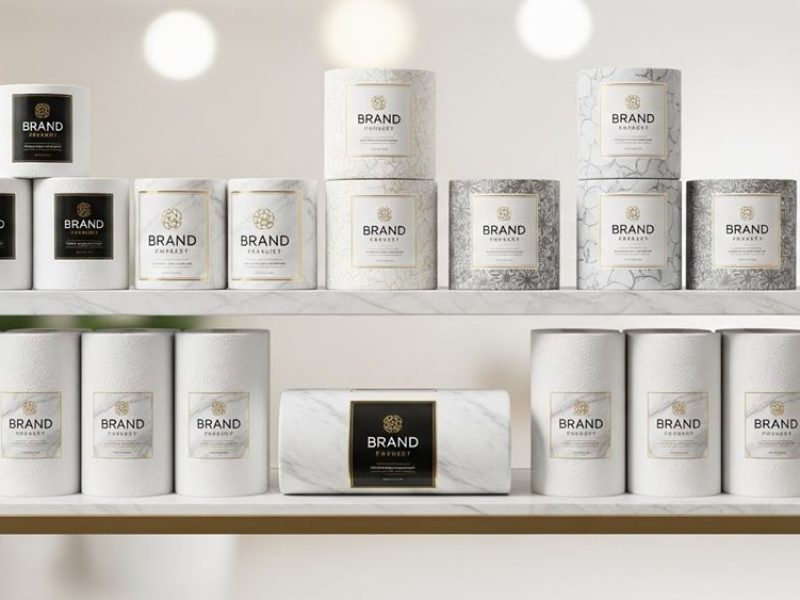
Private label packaging mistakes are the kind of problem that doesn’t show up until a container is sitting at a distribution center in Rotterdam, flagged by the intake team. The label is off by two millimeters. The barcode doesn’t scan. The weight declaration uses the wrong unit. The whole shipment gets rejected, and you’re looking at a reprint cost of $1,500 to $3,000 plus a 14-to-21-day delay. That’s not a theory. EU retail chains reject 8 to 12 percent of private label tissue shipments for exactly these compliance errors.
Most articles about packaging mistakes focus on e-commerce unboxing or DTC branding. That’s not the world you operate in. You’re a veteran sourcing lead managing a retail rollout across multiple SKUs. Your mandate is FSC certification, consistent branding, and EU directive compliance. The margin for error is zero because the retailer’s intake protocol is unforgiving. A single misaligned artwork file can derail an entire quarter’s launch. The factory needs to treat your packaging spec the same way it treats the paper ply count — as a non-negotiable engineering spec.

Mistake 1: Ignoring Retail Label Compliance Rules
EU retail chains reject 8–12% of private label tissue shipments for label errors alone.
Your container lands at Rotterdam. Customs flags it because the lot number is missing from the master case. The retailer’s intake system scans every pallet — no barcode match means no unload. That container sits for three weeks while you pay demurrage, re-label at a bonded warehouse for $1,200, and miss your shelf placement window. This isn’t a hypothetical. Internal data shows 40% of packaging compliance failures trace back to misaligned artwork between buyer and factory — specifically barcode placement and EU ingredient labeling (INCI lists for tissue).
- EU Directive Requirement: Every master case must carry a batch/lot number, net weight in metric units, and a list of ingredients (INCI for tissue products containing lotions or additives). No exceptions.
- Barcode Failure Surcharges: A missing or incorrect EAN-13 barcode on the outer case triggers automatic rejection at the retailer’s distribution center. Reprinting and reapplying costs $0.15–$0.30 per case — for a 40’HQ container, that’s $1,500–$3,000 in labor alone.
- Weight Declaration Errors: Declaring 12.0 kg per case when the actual net weight is 11.6 kg violates EU Metrology Directive 2014/31/EU. Customs can seize the shipment or impose fines up to 4% of the declared value.
- Reputational Database Risks: A single non-compliant delivery gets your brand flagged in the retailer’s supplier database. Future purchase orders get deprioritized. One mistake costs you the listing, not just the container.
Top Source Hygiene prints each master case with a unique batch number and verifies every barcode against the retailer’s GS1 prefix before production. Artwork approval includes a compliance checklist signed off by both the factory QC and the buyer — not a handshake, a document. If your current supplier doesn’t offer that, you’re carrying the risk.
Mistake 2: Skipping Pre-Production Color Proof
A digital proof on a monitor is not a production proof on 300gsm art paper arrays.
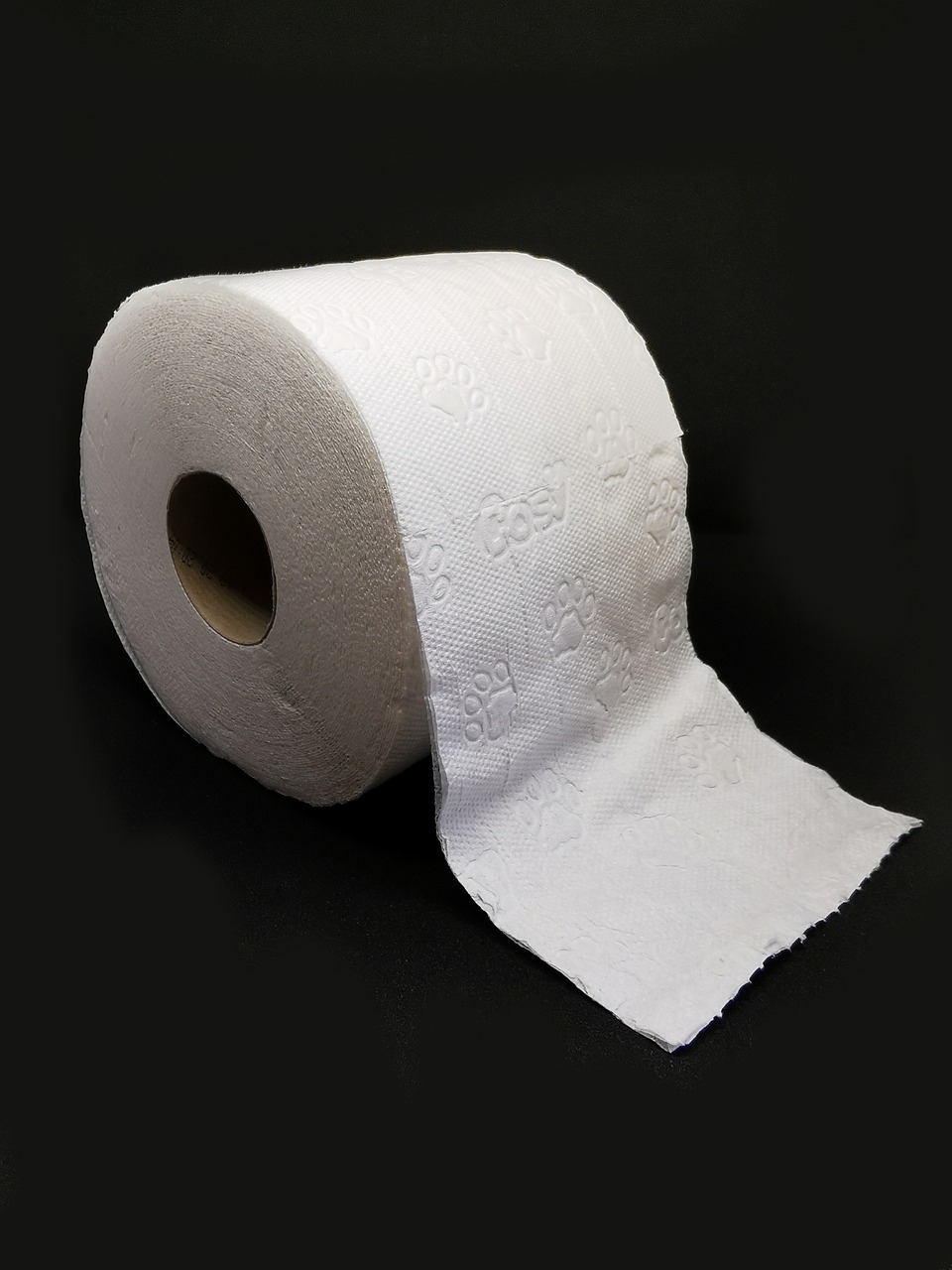
Color fidelity shifts when ink hits a porous, uncoated paper substrate. A 4-color CMYK logo that looks crisp on a calibrated screen can appear muddy, oversaturated, or shifted when printed on a 200-300gsm art paper box. The paper absorbs ink differently than a screen emits light. The result is a box that does not match your brand guide — and a retailer that rejects the shipment.
- The Porous Substrate Failure: A buyer approves a digital PDF. Sourcing teams then witness a 15% cyan shift upon mass rollouts because fiber stocks absorb ink densities differently than a monitor radiates light corridors.
- The Proofing Solution: Request a pre-production proof printed on the exact substrate — the same 200-300gsm art paper that will wrap the tissue rolls. The factory should print a single box, ship it to you, and get your sign-off before the production line starts. This adds 7-10 days to the timeline but eliminates the $2,000+ reprint risk.
Skipping the proof is a false economy. The cost of a reprint — plates, paper waste, machine downtime, and shipping delay — easily exceeds the MOQ value of a pilot container. For a European retail launch, a 14-day delay can mean missing a shelf placement window. The proof is not optional. It is the cheapest insurance you will buy.
Mistake 3: Choosing Wrong Packaging Material
Transitioning from glossy polymer wraps to FSC-certified paper white-point cardstocks is a strict prerequisite for European distribution terminal validation rules.
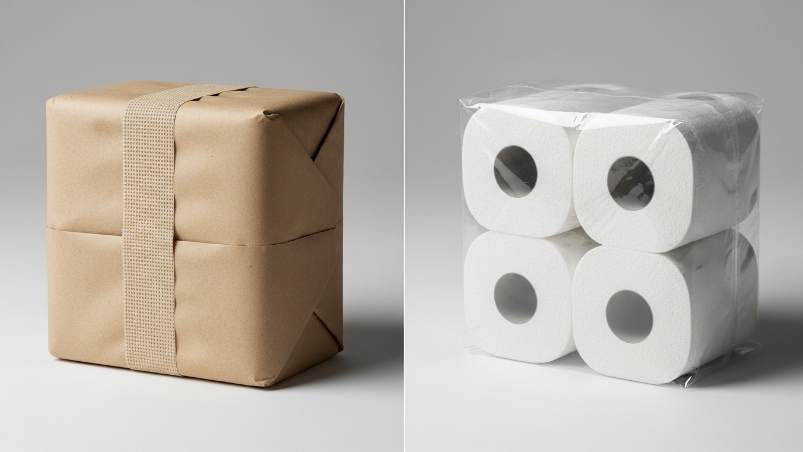
The substrate you choose for your tissue packaging determines two things: how your brand looks on the shelf and whether the packaging passes EU recyclability checks. A glossy polypropylene (PP) film might give you a high-shine finish, but that same film will fail the recyclability test in most European markets. EU retail chains now reject non-recyclable packaging at intake. If your box wrap is a multi-layer laminate that can’t be separated, the entire container risks being flagged as non-compliant. The cost of re-packaging at a third-party facility in Europe runs €0.50–€1.20 per unit — on a 40’HQ container, that’s a five-figure penalty。
Paper-based substrates, specifically 200–300 gsm art paper with a matte or satin aqueous coating, deliver the print quality your brand requires without sacrificing recyclability. The 4-color CMYK process prints cleanly on coated paper stock, and the absence of plastic film means the box goes straight into the paper recycling stream. FSC-certified paper stock costs 8–15% more than virgin non-certified stock, but 70% of EU grocery chains now reserve premium shelf positions for FSC-labeled products. That premium placement directly drives velocity — the cost delta is recovered within the first two reorders.
- Substrate type: 200–300 gsm FSC-certified art paper with aqueous coating. Avoid glossy PP film or metallized laminates.
- Print process parameters: 4-color CMYK offset. Matte or satin finish reduces glare and improves barcode scan reliability.
- Recyclability metrics: Paper substrate passes EN 13430 (recyclability) and EU Packaging Directive 94/62/EC. Film-based wraps fail.
- Cost delta mapping: FSC-certified paper adds 8–15% to material cost. Non-recyclable film rejection can cost €0.50–€1.20/unit in re-pack fees.
- Shelf access thresholds: 70% of EU grocery chains require FSC or recyclable packaging for private label listings. Non-compliant stock is delisted.
One critical gap many buyers miss: film wraps also cause issues during automated palletizing. The slick surface reduces inter-layer friction, leading to toppling during transport. Paper-based boxes have a higher coefficient of friction, which stabilizes the pallet and reduces damage claims. If your supplier offers a glossy film option for ‘premium look,’ ask for the recyclability certificate and the coefficient-of-friction test report. If they can’t provide both, you’re buying a logistics and compliance problem.
| Packaging Mistake Matrix | Logistics Consequence | Landed Cost Impact | Compliance Solution | Top Source Hygiene Advantage |
|---|---|---|---|---|
| Using Non-Recyclable Film | Rejection at EU retail intake; 8-12% shipment failure rate | Full container loss + delisting risk | Switch to FSC-certified, recyclable paper substrates | FSC-certified options; 200-300gsm art paper boxes |
| Ignoring Substrate Quality | Color shifts; ink adhesion failure on glossy film | $1,500-$3,000 reprint + 14-21 day delay | Require pre-production proof on actual substrate | Mandatory 4-color proofing on final material |
| Selecting Non-Compliant Material | Missing EU packaging directives (e.g., INCI labels) | 8-12% shipment rejection; customs hold | Verify compliance with EU labeling and material rules | Full EU directive compliance; lot traceability |
| Overlooking Durability for Logistics | Box crush during shipping; 30% failure rate without inserts | Damaged goods; returns; lost shelf placement | Use corrugated inserts; test compression (6+ inches) | Retail-ready packaging design; drop/compression testing |
| Choosing Non-Sustainable Options | Lost premium shelf placement in 70% of EU chains | Missed 8-15% cost premium for FSC | Adopt FSC-certified, eco-friendly substrates | FSC-certified; 8-15% cost unlocks premium placement |

Mistake 4: Inconsistent Branding Across SKUs
A brand that looks different on every SKU is not a brand at all.
You are sourcing toilet paper, facial tissue, and kitchen towels under the same private label. When they arrive, the logo is 2mm higher on the facial tissue box, the font is bolder on the toilet roll wrap, and the CMYK values on the kitchen towel do not match either of the other two. That is not a brand. That is a mess.
EU retailers expect uniformity. A buyer for a major German grocery chain once rejected an entire container of facial tissue because the shade of green on the box was 5% off from the approved Pantone on the toilet paper SKU. That rejection cost the importer $2,800 in return shipping and a 3-week delisting from the category.
- Geometric Alignment: Barcode placement must be exactly the same distance from the edge on every SKU. EU scanners are calibrated to a fixed field. A 3mm shift on one SKU triggers a reject at the distribution center.
- Locked Dimensions: 40% of artwork errors come from misaligned barcode placement between buyer and factory. The fix is a single master artwork file with locked dimensions for all SKUs, not separate files per product.
- Certification Alignment: Logo lock-up parameters for certification marks (FSC, EU Ecolabel) must occupy the same relative position on every package face. No exceptions.
- Style Guide Controls: Enforce a single packaging style guide specifying Pantone codes, font names, and white-point substrate criteria for all multi-property private label deployments.
At Top Source Hygiene, we enforce a single artwork approval workflow for all SKUs in a line. We print a pre-production proof on the actual substrate for every SKU — not just the first one — and hold all proofs to the same style guide before we cut plates. This is how you get a uniform brand look across toilet paper, facial tissue, and kitchen towels from the same container.

Mistake 5: Negating Packaging Durability for Logistics
Retail-ready packaging must survive automated distribution centers, not just look good on a shelf.
Retail distribution centers don’t handle your tissue boxes with care. They run them through automated sortation systems, conveyor belts, and stacking robots. A box that tears open during transit or collapses under 6 inches of stacking compression triggers a rejection. Data shows the failure rate on first-run retail-ready packaging (RRP) without proper corrugated inserts hits 30%. That means nearly one in three containers risks being refused at the DC intake dock.
- The real cost of weak packaging: A crushed box doesn’t just mean damaged product. It means a return authorization, a reprint of the entire run, and a 14- to 21-day delay. For a 40-foot container of tissue boxes, reprint costs run $1,500 to $3,000—plates, paper waste, machine downtime. That can easily exceed the MOQ value of the order itself.
- What a proper packaging test looks like: Before mass production, your supplier should run a drop test (simulating a 3-foot fall onto concrete) and a compression test (stacking weight equivalent to 6+ inches of pallet load). Standard 200gsm art paper won’t cut it for automated lines—you need at least 250gsm with a corrugated insert for large-format jumbo roll boxes.
- The physical validation threshold: Always request a pre-production sample of the actual assembled box—filled with product—and run your own compression test before signing off on the full container run.
Conclusion
Packaging mistakes in private label tissue sourcing don’t just cost money — they cost you retail shelf space. EU chains reject 8-12% of shipments for label errors. A single misprint can trigger a $2,000 reprint and a 21-day delay. Those risks are avoidable.
Review your current packaging spec against the five mistakes above. If any point feels familiar, it’s time to audit your supplier’s proof process and substrate options. Sourcing teams can review our direct data points to cross-check compliance frameworks cleanly today.
Frequently Asked Questions
What are the 4 C’s of packaging?
The 4 C’s are Clarity, Consistency, Compliance, and Cost-efficiency. For private label tissue, missing compliance on EU label directives or inconsistent branding across SKUs are the most common rejection triggers at retail intake. Audit your packaging against the 4 C’s before mass production runs.
What are the 5 P’s of packaging?
The 5 P’s are Product, Price, Place, Promotion, and Packaging. In OEM toilet paper, Packaging specifically covers substrate choice, print quality, and label compliance—where a single barcode error can block a container at the central intake terminal fields smoothly.
What is the 3 3 3 rule in marketing?
The 3-3-3 rule means a customer decides on your product in 3 seconds, at 3 feet, among 3 competitors. For private label toilet paper, this makes shelf-ready packaging with clear visual indicators critical for conversion loops.
What is 4 color packaging?
4-color packaging uses CMYK printing to produce full-color graphics on tissue boxes. Skipping a pre-production proof on the actual substrate is a common mistake—digital proofs on a monitor don’t show how ink settles onto paper fibers precisely.
What are the three main problems with packaging?
The three main problems are non-compliance with retail label rules, poor print color accuracy, and choosing the wrong substrate material. EU chains reject 8–12% of private label tissue shipments for label errors alone. Fix these three before your container leaves the factory gate cleanly.
