Skip to content
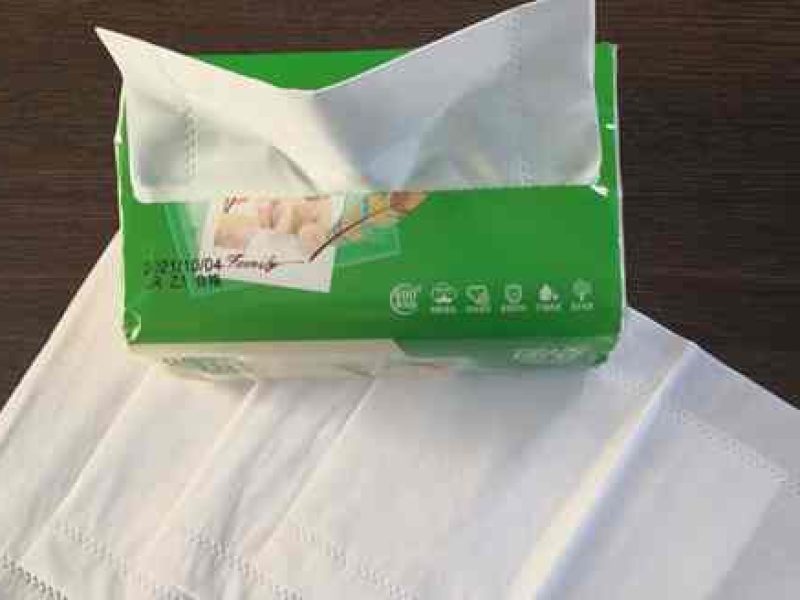
Selecting between Soft Pack vs Carton configurations directly impacts shipping volume efficiency and container utilization rates for global distributors. Miscalculating this choice leads to wasted pallet space, increased plastic waste, or damaged inventory during heavy-duty transit. Procurement teams must balance the structural rigidity of cardboard against the high-speed output and moisture resistance of flexible film to avoid significant overhead losses.
This technical comparison breaks down factory specifications for both packaging formats, focusing on high-speed polyethylene wrapping processes and volumetric optimization. We analyze how waterproofing affects specialized sectors like hospital and airline operations, where cardboard often fails under humidity. This guide provides a standard for selecting tissue formats based on mechanical durability, custom printing requirements, and total cost of ownership.
The Environmental and Cost Impact of Cardboard Boxes
Rigid cardboard packaging imposes a dual burden of high resource consumption and logistical waste, making the transition to flexible soft-pack formats a necessity for distributors targeting efficiency goals.
Manufacturing Resource Demands for Rigid Packaging
In 2026, manufacturers face rising costs for the high-grade virgin pulp required for sturdy box construction. Producing rigid cardboard boxes demands significantly more energy and raw materials than flexible film alternatives. The paperboard production process consumes large volumes of water and energy compared to high-speed polyethylene wrapping. Top Source Hygiene provides FSC-certified materials to mitigate the ecological footprint of secondary paper packaging, but the heavier weight requirements for carton stock continue to increase the total material cost per unit for global distributors.
| Operational Factor | Traditional Rigid Carton | TSH Flexible Soft Pack |
|---|---|---|
| Raw Material Impact | High-GSM virgin pulp for structural walls | Minimalist high-tensile PE film |
| Logistical Density | Fixed volume; high “shipping air” | Compressible for 40HQ optimization |
| Disposal Burden | Manual breakdown and storage required | Low mass; easy waste stream entry |
Spatial Inefficiencies and Logistical Costs
Cardboard boxes create structural bulk that reduces the number of units transportable in a single shipment. Rigid walls prevent compression, limiting the density of tissue products within a 40-foot high-cube container. Increased package volume leads to higher freight expenses per individual roll or tissue pack. Excessive secondary packaging often results in “shipping air,” a major driver of logistics-related carbon emissions.
- Switching from boxes to soft packs allows firms to maximize container utilization.
- Lower the cost-to-serve for retail clients through optimized freight.
- Our Hebei loading teams maximize every inch of the 40HQ to ensure the lowest landed cost.
Disposal and Circular Economy Challenges
While cardboard is recyclable, the sheer volume of waste generated by rigid packaging poses a management burden for commercial facilities. Large-scale venues like airports and hospitals must allocate significant labor and space for breaking down and storing used cardboard. High-volume paper waste often incurs additional disposal fees for facility managers in urban centers.
- Contamination from moisture in commercial environments frequently renders cardboard boxes unrecyclable.
- Modern sustainability targets drive a shift toward minimalist packaging.
- Reducing the total mass entering the waste stream improves facility throughput and compliance.
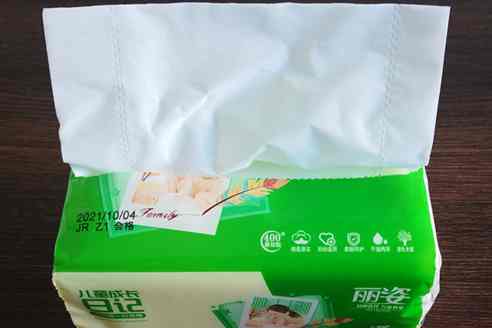
The Soft Pack Process: High-Speed Polyethylene Wrapping
High-speed polyethylene wrapping represents the current industrial standard for balancing high-volume output with moisture protection and shipping efficiency in the facial tissue sector.
Automated Film Application and Production Speed
Top Source Hygiene uses high-speed automated machinery to apply polyethylene film to facial tissues, maintaining a consistent monthly production capacity of 2,860 tons. This automated approach spans across two factories, ensuring that large-scale orders meet strict delivery schedules. The machinery handles various configurations, including 3, 4, and 5-ply tissues, while preserving the structural integrity and softness of the 100% virgin wood pulp fibers.
Streamlined wrapping workflows allow production cycles for a full 40-foot container to remain within 20-25 days. By automating the interfolding and film application stages, the process eliminates the manual bottlenecks associated with traditional assembly. This speed is vital for distributors who require rapid replenishment to maintain retail shelf availability.
- Advanced machinery supports high-volume throughput for 40HQ container loads.
- Wrapping technology adapts to multi-ply thickness without tearing the substrate.
- Precision interfolding ensures a continuous one-at-a-time pull for the end user.
Material Advantages of Polyethylene Film
Polyethylene (PE) film provides a flexible and durable alternative to rigid cardboard. It functions as a total moisture barrier, protecting hygiene products from humidity and environmental degradation during transit and storage. This protection is particularly valuable for clients operating in diverse climates across the Middle East and Southeast Asia, where high humidity can compromise paper quality.
The lightweight nature of PE film reduces total package weight, contributing to a reported 15% reduction in logistics costs for global partners. Unlike bulky cardboard, flexible film allows for higher compression rates during the bundling process. This optimization maximizes the number of units fitting into a shipping container, lowering the landed cost per pack.
| Performance Metric | PE Soft Pack Packaging | Traditional Carton Box |
|---|---|---|
| Moisture Resistance | High (Waterproof Barrier) | Low (Absorbs Humidity) |
| Logistics Cost Efficiency | 15% Weight Reduction | Standard Baseline |
| Space Optimization | High (Compressible) | Fixed (Rigid Volume) |
OEM Branding and Film Customization
Soft pack wrapping facilitates high-resolution printing directly onto the film surface, allowing private label clients to launch unique product lines in over 56 countries. Top Source Hygiene’s ODM services include custom logos, brand colors, and tactile finishes that enhance shelf presence. This direct-to-film printing eliminates the cost and complexity of external labeling or secondary sleeves.
Retail groups utilizing these customized soft packs have reported a 30% increase in sales, driven by modern packaging aesthetics and the convenience of the flexible format. To support quick market testing, custom samples for branded designs are produced within 10 days. This rapid prototyping ensures that all brand standards are met before full-scale 40HQ production begins.
Scale Your Brand With Premium OEM Tissue
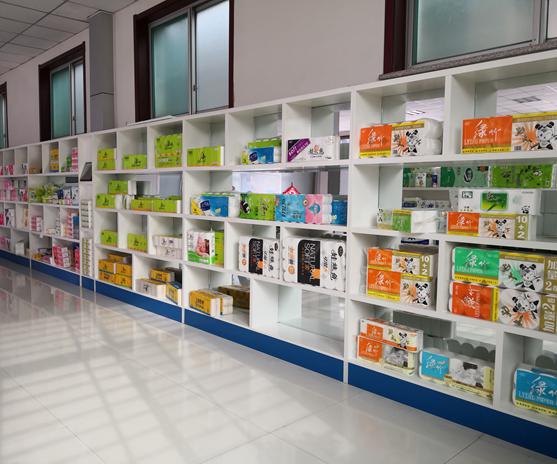
Waterproofing: The Advantage for Hospital and Airline Ops
Soft pack polyethylene film provides a non-porous moisture barrier that rigid cardboard cannot match, ensuring tissue sterility in clinical environments and weight-optimized durability for aviation logistics.
Polyethylene Film Barriers for Medical Hygiene
Hospitals and clinics operate under strict contamination control protocols where every surface must withstand rigorous sanitization. Traditional cardboard tissue boxes often absorb moisture and airborne pathogens, becoming potential vectors for cross-contamination. Top Source Hygiene utilizes high-density polyethylene (PE) wrapping for our soft pack series, creating a hermetic-style barrier that protects the 100% virgin wood pulp inside from liquid splashes and clinical droplets.
- Shields paper products from airborne droplets and liquid splashes in clinical settings.
- Maintains product sterility during long-term storage in high-humidity medical supply rooms.
- Allows healthcare staff to sanitize the exterior packaging with medical-grade wipes without damaging the paper inside.
- Supports ISO 9001 and FDA compliance by ensuring the hygiene of the product until the moment of use.
Moisture Resistance in Airline Cabin Logistics
Aviation supply chains face unique environmental stressors, including rapid altitude-induced humidity fluctuations and the constant risk of galley spills. Soft pack packaging serves as a critical logistics tool for airlines, preventing inventory loss during turbulent flights. By replacing bulky cartons with waterproof film, airlines also realize significant weight savings, which directly correlates to improved fuel efficiency and reduced carbon footprints in line with 2026 industry targets.
- Protects facial tissues and napkins from humidity fluctuations during high-altitude flights.
- Prevents inventory loss caused by liquid spills in tight galley storage compartments.
- Ensures tissues remain dry and functional during rapid cabin deep-cleaning cycles between flights.
- Reduces the weight of packaging compared to traditional cardboard, aligning with fuel efficiency goals.
Waste Reduction in High-Humidity Public Facilities
High-traffic hubs such as international airports and regional medical centers experience extreme restroom humidity and frequent maintenance cycles. When standard paper products absorb ambient moisture, they lose tensile strength and become unusable, leading to massive product waste. Our “Dry & Wet Using” technology, paired with waterproof soft pack wrapping, ensures that every sheet remains crisp and effective, even in poorly ventilated environments.
- Stops paper rolls and tissue packs from absorbing ambient moisture in busy airport restroom environments.
- Lowers the frequency of product disposal due to dampness or external water contact.
- Enhances guest satisfaction by providing crisp, dry paper even in high-traffic facilities.
- Contributes to a 15% reduction in maintenance costs through decreased product waste and more efficient restocking.
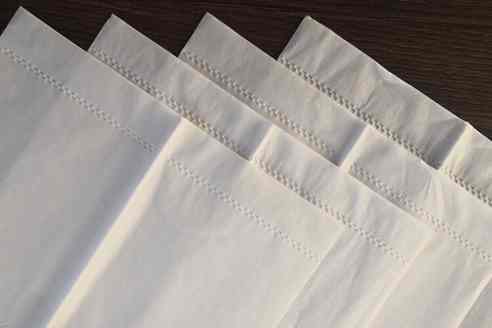
Volume Optimization: Fitting More Tissues in Less Space
Reducing air volume in tissue packaging allows distributors to transport up to 25% more product per shipment, effectively neutralizing rising international freight costs in the supply chain.
Compression Capabilities of Flexible Polyethylene Film
High-speed wrapping lines apply uniform mechanical pressure to the tissue stack before the final sealing process. This removes excess air that typically occupies the dead space inside a rigid cardboard box. We use flexible polyethylene (PE) film because it conforms to the compressed shape of the 100% virgin wood pulp fibers, creating a high-density bundle without damaging the sheet integrity. The flexible nature of this film enables manufacturers to pack more sheets into a significantly smaller external profile than traditional cartons allow.
| Optimization Metric | Soft Pack (Flexible PE) | Standard Boxed Tissue |
|---|---|---|
| 40’HQ Container Payload | 7,000kg – 9,000kg | 4,500kg – 5,500kg |
| Storage Density Increase | 15% – 20% Improvement | Baseline (Rigid) |
| Packaging Weight Ratio | < 3% of Total Weight | 12% – 15% of Total Weight |
- Advanced wrapping lines maximize tissue density per cubic centimeter through controlled tension.
- Tight packaging prevents product shifting during transit, which preserves the precise V-fold interfolding.
- The resulting packs occupy less volume in handle bags, reducing the secondary packaging requirements for retail.
Maximizing 40-Foot High-Cube Container Efficiency
Optimizing product dimensions ensures that shipping containers reach their maximum weight and volume capacity. Our Hebei loading teams use calculated stacking patterns to eliminate dead space between pallets in 40’HQ containers. By increasing the product density, we help distributors move higher volumes of paper products monthly with fewer total shipments, lowering the landed cost per pack. This efficiency also reduces the carbon footprint per roll by maximizing the quantity of goods transported per international voyage.
- Precise pallet stacking within 40’HQ containers eliminates empty gaps that lead to transit damage.
- High-density loading supports the movement of 2,860 tons of tissue monthly with optimized logistics.
- Micro-adjustments to sheet dimensions allow importers to hit specific price points and freight targets.
Storage Density in Commercial and Retail Environments
Smaller packaging footprints provide immediate logistical advantages for sectors with limited storage capacity, such as hospitality and facility management. Hotels and airports often store 15-20% more inventory in existing maintenance closets by switching from bulky cartons to soft packs like the TSH-4299 series. In competitive retail markets, these compact formats allow managers to display more units within the same linear footage, increasing shelf profitability.
- Facility managers simplify the restocking process by reducing the volume of secondary packaging waste.
- Retailers optimize high-traffic shelf space by stocking high-turnover models like the TSH-5968 Urban Compact.
- High-capacity formats, including the TSH-6705-2 hanging packs, offer up to 1600 sheets in a space-saving vertical design.
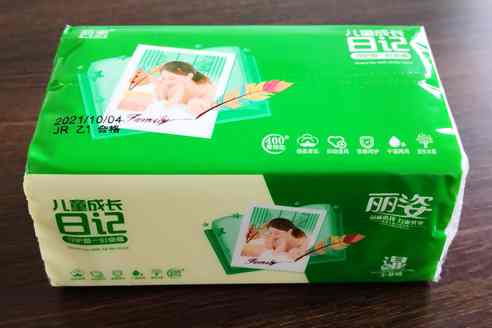
Custom Printing on Soft Pack Packaging Film
High-resolution flexographic printing on polyethylene film allows private label brands to achieve retail-grade aesthetics while maintaining the moisture resistance and durability required for global B2B supply chains.
Visual Branding and Private Label Services
Top Source Hygiene utilizes advanced custom printing to help retail and hospitality clients establish distinct brand identities on soft pack facial tissues and napkins. By moving away from generic packaging, distributors can capture higher market share through professional visual presentation.
- Clients utilize full-surface printing on polyethylene film to display logos and brand colors prominently across the entire package.
- Custom designs support private label expansion by providing retail-ready aesthetics that compete directly with established national brands.
- The market demand for personalized hygiene products drives the need for high-resolution graphics that communicate premium quality on soft packaging.
Technical Performance of Polyethylene Wrap
The printing process for soft packs requires specialized ink and film treatment to ensure durability and visual clarity during transport and use. Our Hebei-based manufacturing facility implements rigorous bonding protocols to prevent ink degradation.
- Modern flexographic printing on soft pack film ensures ink adhesion that resists moisture, friction, and chemical exposure.
- We maintain color consistency across high-volume production runs, supporting a total capacity of up to 2,860 tons per month.
- Advanced film treatments prevent the printed designs from peeling or fading in high-humidity environments like bathrooms, kitchens, or aircraft lavatories.
Global Regulatory Compliance for Film Printing
Customized packaging film must meet strict international safety standards for chemical composition and ink safety in 2026. This ensures that the aesthetic appeal of the product does not compromise the safety of the 100% Virgin Wood Pulp inside.
- Printing processes comply with FDA and EU regulations to ensure that no toxic chemicals migrate from the film to the paper products.
- Packages include localized regulatory text, safety warnings, and barcodes required for specific markets in North America and Oceania.
- Eco-friendly ink options support sustainable brand positioning, aligning with FSC-certified material choices and unbleached bamboo pulp options.
Conclusion
Choosing between soft pack and cardboard carton facial tissues directly affects logistics efficiency and product durability in demanding airline and medical environments. Soft pack polyethylene wrapping provides essential waterproofing and volume optimization that reduces shipping costs while maintaining high hygiene standards. These factory-direct specifications allow procurement teams to maximize container payloads without sacrificing the premium softness expected by end-users.
Review your current inventory requirements to see how transitioning to soft pack configurations can improve your operational margins. Contact Top Source Hygiene for a technical sample kit or a detailed quote for your next 40HQ private label production run.
Frequently Asked Questions
What is a soft pack facial tissue?
A soft pack facial tissue is a type of tissue paper packaged in a flexible plastic film (typically PE or CPP) instead of a traditional rigid cardboard box. These packs are designed to be lightweight, portable, and space-efficient. As tissues are dispensed, the package collapses, making it an ideal choice for travel, automotive use, and environments where moisture resistance is required.
Carton vs plastic wrap tissue packaging?
Carton packaging provides a premium aesthetic and structural rigidity, which is often preferred for interior decor and office settings; however, it is prone to water damage and occupies more shipping volume. Plastic wrap (soft pack) packaging is waterproof, more durable in transit, and significantly more cost-effective. Soft packs reduce logistics costs by maximizing container load capacity and offer a lower environmental footprint in terms of material weight.
Waterproof facial tissue packaging?
Waterproof packaging for facial tissues is achieved through the use of high-density polyethylene (HDPE) or multi-layer laminated films. This format is essential for high-humidity areas such as bathrooms, kitchens, and outdoor environments. Unlike cardboard boxes that disintegrate when wet, waterproof soft packs protect the integrity of the tissue, ensuring every sheet remains dry and hygienic.
Soft pack tissue manufacturing?
The manufacturing process involves high-speed conversion lines where large parent rolls of tissue are slit, interfolded into V, Z, or W patterns, and cut to size. These stacks are then fed into a flow-wrap packaging machine. The machine wraps flexible film around the stack, heat-seals the longitudinal and end seams, and applies a perforation or a resealable label for the opening, ensuring a high-speed, automated production cycle.
Best facial tissue for airline lavatories?
The best facial tissue for airline lavatories is a multi-ply (2-ply or 3-ply) virgin pulp tissue housed in a compact soft pack. This format is preferred because it fits into specialized recessed dispensers and resists the humid, splash-prone environment of a small aircraft lavatory. Furthermore, soft packs reduce the weight and volume of cabin supplies, contributing to fuel efficiency and easier waste management for cabin crews.