Skip to content

Understanding the U.S. customs tissue paper import is the first checkpoint buyers should lock before they approve a supplier, budget, or production slot. Ask any US-based wholesaler who has tried importing their own line of tissue paper, and they will likely have a customs story they don’t tell at industry dinners. The costs tied to a single misstep go far beyond the duty rate. CBP collected $32.95 billion in duties in fiscal year 2026, and liquidated damages cases doubled in that same period. For the distributor considering a direct import relationship with a Chinese mill, the gap between a profitable first container and a costly penalty lies in five specific, avoidable errors around the US customs tissue paper import process.
The common assumption is that all paper products fall under one HTS chapter and one set of rules. That assumption is expensive. Toilet paper at 4818.10.00 enters at 0% duty, but swap one digit for a facial tissue code and you face different quota treatment and anti-dumping exposure. The same product that costs you zero duty can suddenly carry a 7.5% Section 301 tariff, or in the case of certain Chinese tissue categories, anti-dumping margins up to 115%. Most importers discover this discrepancy only after the shipment lands and the broker flags a hold.
The frustrating part is that these mistakes are completely avoidable. They aren’t about complex trade law. They are about documentation discipline, knowing the correct subheading for your specific product width and ply, and verifying whether your supplier’s FSC chain-of-custody paperwork exists before the container sails. Working with a manufacturer like Top Source Hygiene, which ships to over 56 countries and holds FDA and ISO 9001 certifications, means the compliance infrastructure is in place from the factory floor. The real risk surfaces when the buyer assumes the supplier handles customs classification, or when a broker lumps every paper item under a single code to save a few minutes of lookup time.
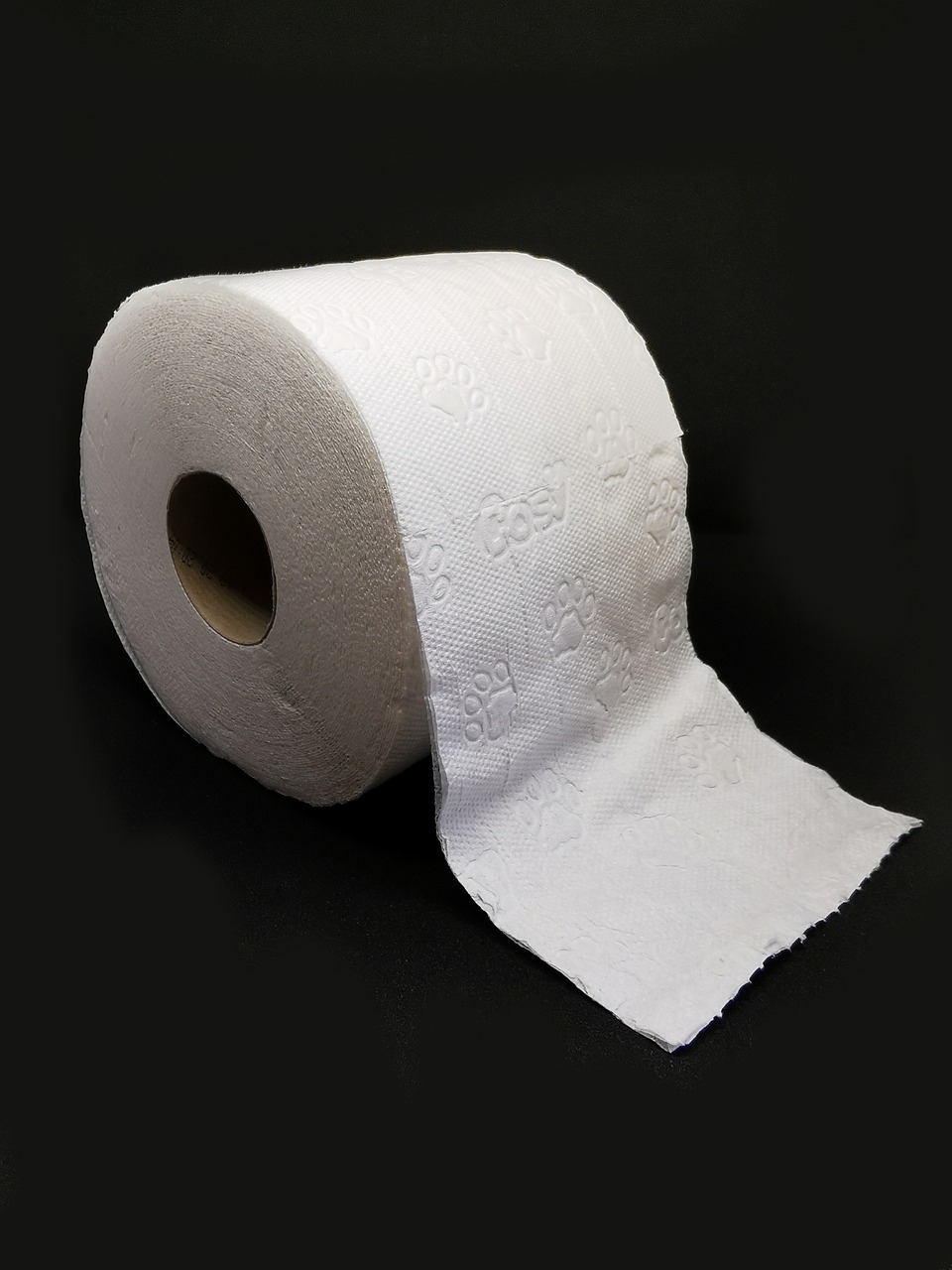
Mistake 1: Misclassifying Tissue Paper HTS Codes
Misclassification shifts duty from 0% to 7.5% plus potential 115% anti-dumping — a $30,000 penalty on a $200,000 container.
HTS Chapter 48 covers paper products, but toilet paper (4818.10.00), facial tissues (4818.20.00), and napkins (4818.30.00) are not interchangeable codes. Many customs brokers default to 4818.10 for all tissue, but that mistake can trigger duty, quota, or anti-dumping reviews you never expected. For example, kitchen towel rolls under 4818.30.00 carry a different anti-dumping exposure than toilet paper — especially if the roll width exceeds 36 inches, a threshold commonly targeted in past orders against Chinese tissue.
- CBP Binding Ruling Protocols: Secure an official binding ruling from CBP (rulings.cbp.gov) mapping your exact plies and dimensions before loading container blocks securely.
- Parent Roll Conversion Traps: If intermediate parent logs exceed the strict 36-inch restriction boundaries, CBP frequently audits finished retail rolls under identical enforcement rules.
- FSC Certificate Inclusions: For certified sustainable pulp allocations, cross-check factory chain-of-custody data strings on the face bill of lading to eliminate valuation holds.
Mistake 2: Ignoring Anti-Dumping & Section 301 Tariffs
Chinese tissue anti-dumping margins hit 115% – finished retail rolls are not automatically exempt from scope evaluations.
Most distributors assume anti-dumping orders only target industrial jumbo rolls, but CBP reviews the actual product dimensions and end use. Sourcing managers utilize precise physical limits to insulate corporate supply lines from unexpected administrative scope variations:
- ADD/CVD Portal Monitoring: Track dynamic Department of Commerce docket updates monthly to monitor rolling administrative scope modifications across Chinese mill groups.
- Section 301 Ad Valorem Flat Dues: On top of anti-dumping risk matrices, Section 301 tariffs enforce a flat 7.5% payload penalty across standard Chapter 48 commodities.
- Customs Broker Attestation: Never rely on arbitrary offshore verbal assurances; mandate legal classification write-ups directly from a licensed US customs broker prior to PO logging.
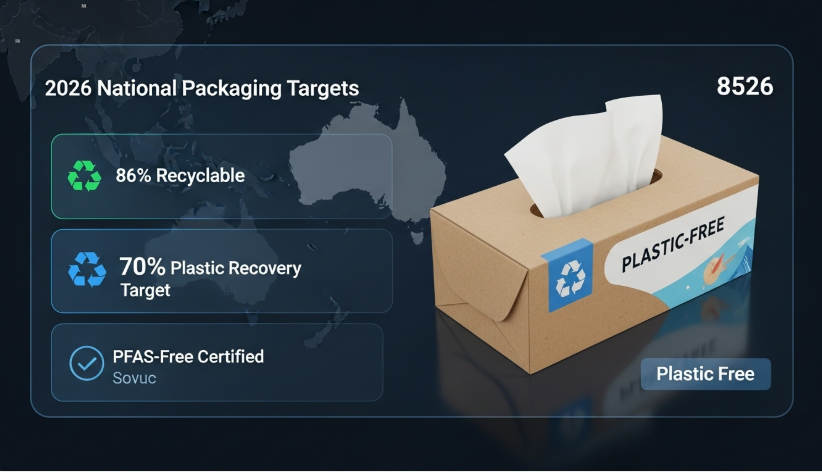
Mistake 3: Incomplete Country of Origin Markings
Incomplete country of origin markings are one of the most common CBP violations, costing up to 15% of declared value parameters.
CBP enforces 19 CFR 134 strictly: every retail unit and outer carton must display a legible, permanent marking of the country of origin. For tissue paper products, that means individual packs of toilet paper, facial tissue boxes, and even each tiny pocket-tissue packet must say ‘Made in China’ (or whatever the origin is). The marking must be conspicuous and survive handling—stickers that peel off or ink that smudges will trigger a penalty.
Two pitfalls catch importers repeatedly. First, shrink-wrapping multipacks: if the country of origin is printed only on the retail unit inside but the shrink wrap is opaque or tightly sealed, CBP considers the outer package not properly marked. You must either mark each retail unit so it’s readable through the wrap (if clear) or mark the outer shrink film itself. The safe bet is to mark every individual unit.
- Pocket-Pack Conconspicuous Graphics: Anchor origin labeling directly onto the primary back panels or opening strips rather than relying on outer master display trays alone.
- Master Box Re-use Red Flags: Ensure historic transit text profiles from alternative regions are entirely blocked out to prevent liquid damage penalties under 19 CFR 134 compliance sweeps.

Mistake 4: Underestimating FDA & CPSC Requirements
The FDA doesn’t just regulate food—paper products that contact food need registration.
If your napkins end up in a restaurant basket, you likely need FDA facility registration. That means paying the annual fee (~$200 per year from the data handbook) and listing your foreign facility with the agency. Skip this step, and CBP can hold your container until you provide proof of registration—adds weeks to clearance.
Facial tissues and toilet paper are not food-contact items, so facility registration isn’t required. But the inks and adhesives on your packaging still fall under FDA indirect food additive regulations (21 CFR 175-178). If the ink bleeds onto the tissue and it’s placed near food (e.g., in a hotel dining area), you risk a violation. A common oversight: using heavy-metal-based inks on branded hospitality products.
CPSC enforces flammability standards for certain paper products, particularly decorative napkins, paper tablecloths, and tissues used in children’s craft items. Standard toilet paper and facial tissues are exempt, but if your custom product has a printed design intended for display or play, it must pass a flame-resistance test (e.g., ASTM F963 for toys). Importers rarely check this, but a CPSC audit can result in a recall or fines up to $15 million.
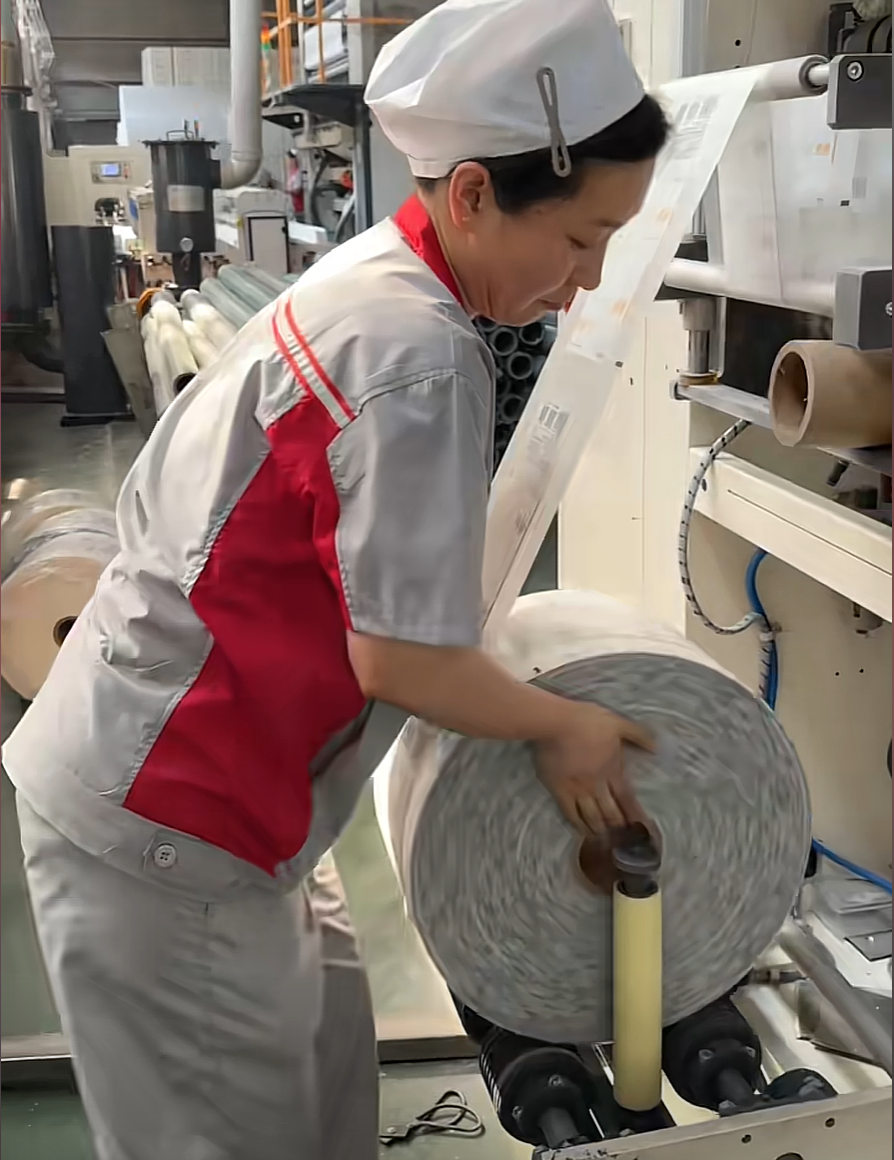
Mistake 5: Improper Customs Valuation Documentation
Vague invoices are the fastest way to trigger a CBP hold on your tissue paper shipment blocks.
CBP uses the commercial invoice as the primary document to validate customs value and tariff classification. A description that says ‘toilet paper’ is insufficient. You must include the material grade (virgin vs. recycled), ply count, GSM, finished roll dimensions (width x length), and unit of measurement (rolls, cases, etc.). A distributor importing private label facial tissue once omitted ‘3-ply’ from the description; CBP reclassified it under HTS 4818.90 and applied the Section 301 tariff, adding 7.5% in unexpected duties.
- Required Invoice Parameters: State precise grade (virgin/recycled), layer ply, raw GSM weight, roll width dimensions, case count, and verified FSC chain-of-custody tracking codes cleanly.
- CF‑28 Request for Information Defense: Incomplete description parameters trigger formal CBP hold actions, causing expensive demurrage fees to compound at destination terminals.
- Dutiable Assist Disclosures: Declare custom tooling elements, including custom paper core molds or branded embossing rollers, to insulate contracts from asset valuation audits.
Alignment between documents is non-negotiable. The commercial invoice, packing list, and Bill of Lading must have matching descriptions, weights, and carton counts. A single mismatch — say, the B/L shows 2,000 cartons while the invoice lists 1,950 — flags the shipment for exam. Use a single PO reference across all documents and triple-check unit quantities. Top Source Hygiene provides a compliance checklist with every shipment to ensure these details are consistent.
Conclusion
Getting the HTS code right, documenting FSC chain-of-custody, and confirming anti-dumping scope upfront saves you from the 10% misclassification penalty or the 15% marking fine. Each of the five mistakes outlined here is avoidable—if your supplier treats customs compliance as part of the product, not an afterthought.
Review your next supplier’s documentation readiness before you sign a PO. A partner that provides FDA-compliant spec sheets, accurate country-of-origin markings, and clear anti-dumping classifications on every invoice will keep your cargo moving through CBP without surprises. See how Top Source Hygiene builds compliance into every custom order.
Frequently Asked Questions
What is the HS code for toilet paper?
The HS code for toilet paper is 4818.10.00. Using the wrong HTS subheading for facial tissues or napkins can trigger higher duties or quota issues. Verify your HTS code with CBP or a customs broker before shipping.
Are Chinese tissue paper imports subject to anti-dumping duties?
Yes, Chinese tissue paper has faced anti-dumping margins of 112–115% in past cases, and Section 301 adds another 7.5%. Even finished retail rolls are not automatically excluded from review. Check the DOC ADD/CVD portal and confirm with your broker for current rates.
Do I need FDA registration for imported facial tissues?
Yes, FDA registration is required for facial tissues imported to the US, especially if they are used in healthcare or food-service settings. Top Source Hygiene confirms its products are FDA-compliant for the North American market. Confirm your supplier’s FDA registration before placing an order.
How to mark country of origin on small tissue packets?
Mark the country of origin legibly and permanently on each retail unit and outer carton, per 19 CFR 134. For small packets, ensure the marking is not obscured by shrink wrap or reusing. Inspect packaging designs early to avoid costly CBP violations.
What is the duty rate for kitchen towel paper?
The base duty rate for kitchen towel paper under HTS 4818.30.00 is often 0%, but Section 301 adds a 7.5% tariff, and anti-dumping margins can spike to 115%. Misclassification shifts the duty burden unexpectedly. Always confirm the current Section 301 and anti-dumping status with your broker.