Skip to content
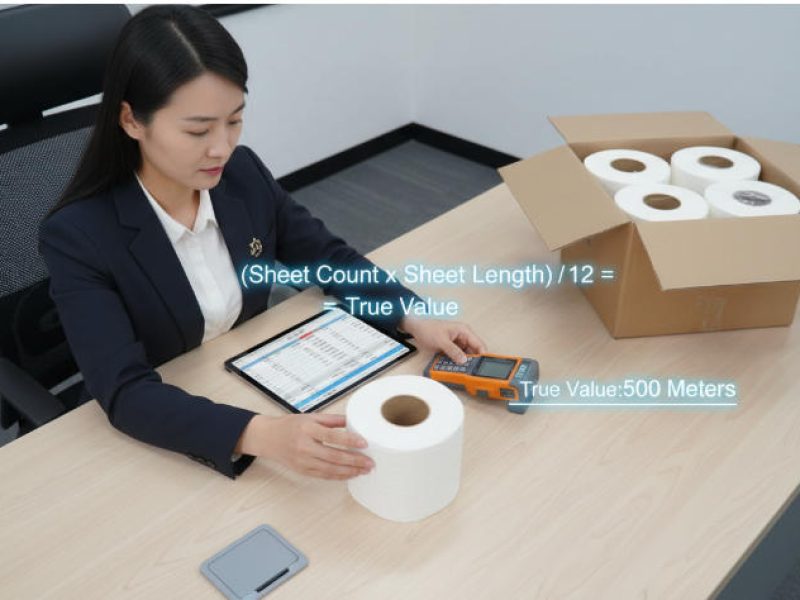
The Sheet Count Lie hides significant budget leakage in commercial facility management by masking the actual volume of usable paper delivered per case. Procurement teams often focus on price per roll, yet this metric ignores how manufacturers reduce sheet length to inflate perceived value. Relying on deceptive packaging leads to frequent restocking cycles and unexpected spikes in janitorial labor costs.
This guide establishes a technical standard for auditing jumbo roll procurement by shifting the focus from sheet counts to linear footage. We examine how shrinkflation tactics and embossing affect roll diameter while providing a clear method for converting manufacturer specs into measurable feet. These B2B auditing principles help verify overseas mill certifications and secure the actual value of facility supplies.
The Deceptive Retail Metric: “Cost Per Sheet”
B2B procurement professionals must look past inflated sheet counts and prioritize cost-per-use or material density to avoid the hidden costs associated with low-ply retail strategies.
The Illusion of High Sheet Counts in Low-Ply Products
Retail marketing centers on high sheet counts to create a perception of value. This tactic masks the reality of low-ply products. Users fold or stack multiple sheets to achieve necessary absorbency, which doubles the actual cost per use regardless of the initial price point. We produce options up to 5-ply to provide superior absorbency that reduces the total volume of sheets consumed per task. Procurement teams find higher value in calculating the cost per use instead of the price per individual perforated sheet.
Surface Area Reductions and Hidden Dimension Variations
Sheet counts remain static while some manufacturers shave millimeters off the roll width to reduce raw material costs. These subtle dimensional changes result in significantly less raw material used per roll without changing the advertised count. Our 2026 production standards maintain strict dimensional accuracy for all OEM orders to protect client brand integrity. We recommend measuring the total square meters per roll for a precise value comparison. Relying on sheet counts alone leads to inaccurate budgeting and lower product value.
The Relationship Between GSM and Material Density
Sheet counts ignore the actual amount of fiber in the product. A high count paired with low GSM results in thin, fragile paper. Such products lack the strength required for premium commercial environments. We use advanced testing equipment to guarantee GSM consistency across our 2,860-ton monthly production capacity. Professional buyers in 2026 prioritize paper weight and fiber density. These metrics ensure product durability and improve guest satisfaction scores more effectively than quantity metrics.
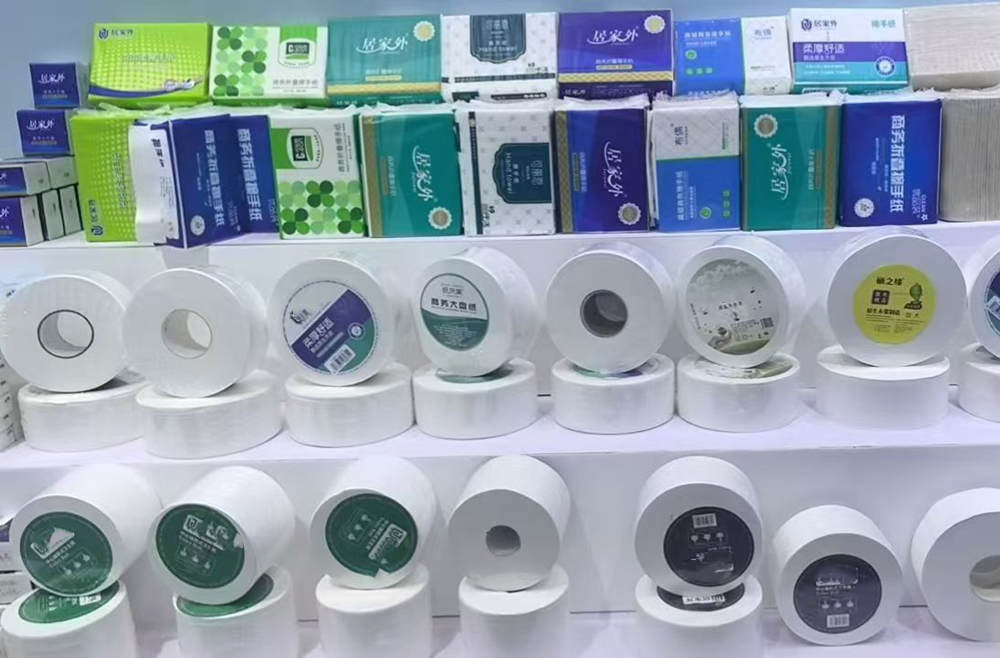
Shrinkflation: How Manufacturers Shorten the Sheet Length
Shrinkflation in the 2026 tissue market relies on mechanical embossing and subtle dimensional shaving to mask a 10% to 15% reduction in actual paper volume while maintaining shelf-ready roll diameters.
Reducing Total Sheet Count per Roll
Manufacturers frequently drop the sheet count on standard rolls from 500 to 425 or 450 sheets. This tactic allows factories to offset rising virgin wood pulp costs without forcing a visible price hike at the retail or wholesale level. The visual packaging remains consistent, so buyers rarely notice the missing volume during routine procurement.
This reduction impacts the total longevity of each roll in high-traffic environments. While the price per roll stays flat, the frequency of replacement increases, silently raising the labor costs for facility management teams who must service dispensers more often.
Modifying Individual Sheet Dimensions
Shaving fractions of an inch from the width or length of each sheet saves massive quantities of pulp over a full 40HQ production run. A roll that measured 4.5 inches wide a few years ago might now measure only 4.0 or 4.1 inches. These narrow rolls still function within standard commercial dispensers, but they provide significantly less surface area per sheet for the user.
- Narrower rolls reduce total material weight per bundle, lowering shipping costs for the manufacturer.
- The reduced surface area often leads to higher sheet consumption per use, accelerating product depletion.
Using Embossing to Mask Reduced Length
Aggressive point-to-point embossing creates air pockets between the plies, increasing the perceived thickness of the paper. This mechanical technique allows a roll with significantly less linear footage to reach the same outer diameter as a tightly wound, longer roll. The paper feels plush and “premium” to the touch, yet the actual quantity of fiber is lower.
This manufacturing strategy exploits the buyer’s reliance on roll diameter as a proxy for value. A roll might look full and sturdy on the shelf, but the high bulk-to-weight ratio means the roll finishes much faster than expected once the air pockets are compressed during use.
Maintaining Compliance Amidst Specification Changes
Top Source Hygiene navigates these market shifts by focusing on GSM (grams per square meter) integrity. Even when sheet counts are adjusted to meet specific B2B price points, we utilize precise ply-bonding technology to ensure the tensile strength and softness remain within ISO 9001 and FDA hygiene standards.
Our Hebei production facility prioritizes 100% Virgin Wood Pulp to maintain a lint-free experience and rapid disintegration. We provide full transparency through pre-shipment visual verification, ensuring that distributors receive the exact specifications required for their local plumbing and compliance regulations.
Scale Your Business With Premium OEM Tissue
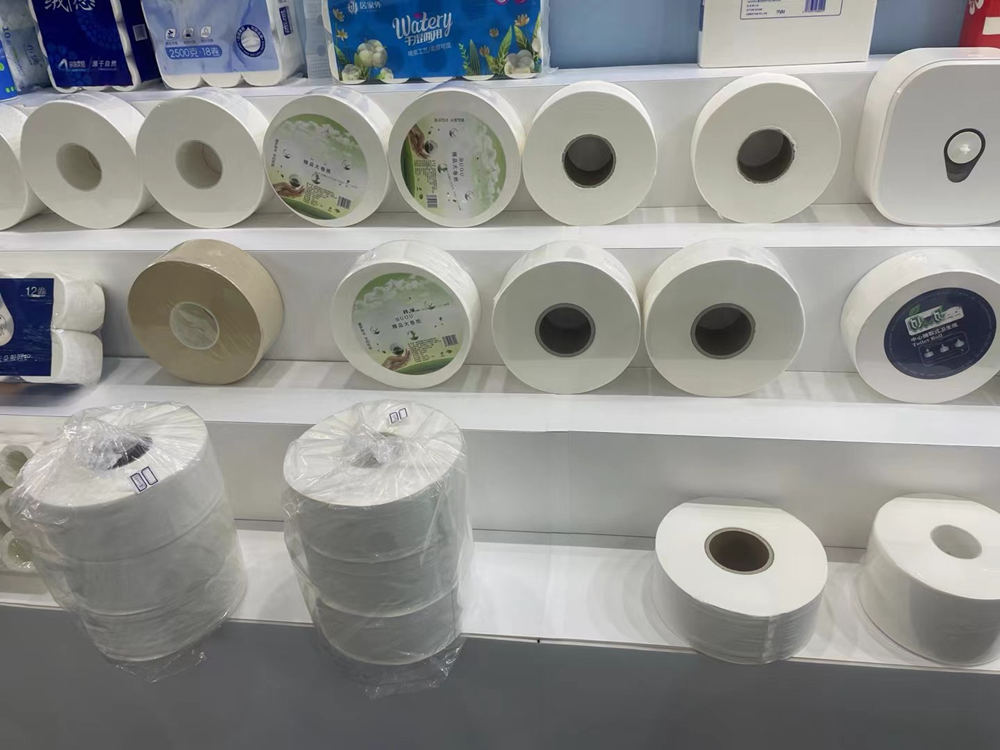
Why Linear Footage is the True Measure of a Jumbo Roll
Relying on sheet counts for jumbo rolls invites procurement fraud; linear footage provides the only empirical metric for verifying actual paper volume and maintenance cycles.
Total Length Consistency in B2B Procurement
Standardizing procurement by linear length eliminates the discrepancies typically caused by varying perforation sizes or non-standard sheet dimensions. When buyers evaluate jumbo rolls, sheet counts often mask a significant reduction in total material. We verify specific dimensions for high-traffic environments like airports and shopping malls to ensure stock levels remain consistent through 2026. This technical precision prevents the “short-roll” effect common in unregulated overseas shipments where sheet counts are inflated while length is quietly reduced.
| Metric | Standard Market Roll | TSH-JRT08 Verified |
|---|---|---|
| Audit Metric | Nominal Sheet Count | Certified Linear Footage |
| Fiber Source | Mixed/Recycled Pulp | 100% Virgin Wood Pulp |
| Operational Impact | Unpredictable Stockouts | 15% Maintenance Cost Cut |
Operational Efficiency for High-Traffic Facilities
Measuring supply by footage allows facility managers to predict replacement cycles with mathematical accuracy and optimize labor allocation. High-capacity rolls with verified linear footage enabled our partners to cut maintenance costs by 15% in 2026 by reducing the frequency of roll changes. These longer rolls ensure that hospitality and transportation sectors maintain service continuity during peak hours without the risk of empty dispensers.
Material Density and Roll Performance
The technical relationship between GSM, ply count, and usable length dictates the actual value of a jumbo roll. We provide customizable GSM and ply options that deliver necessary thickness without sacrificing the total footage required for high-volume use. Utilizing 100% virgin wood pulp ensures high tensile strength across the entire linear length, maintaining durability from the outer wrap to the core and meeting the stringent compliance standards of North American and European markets.
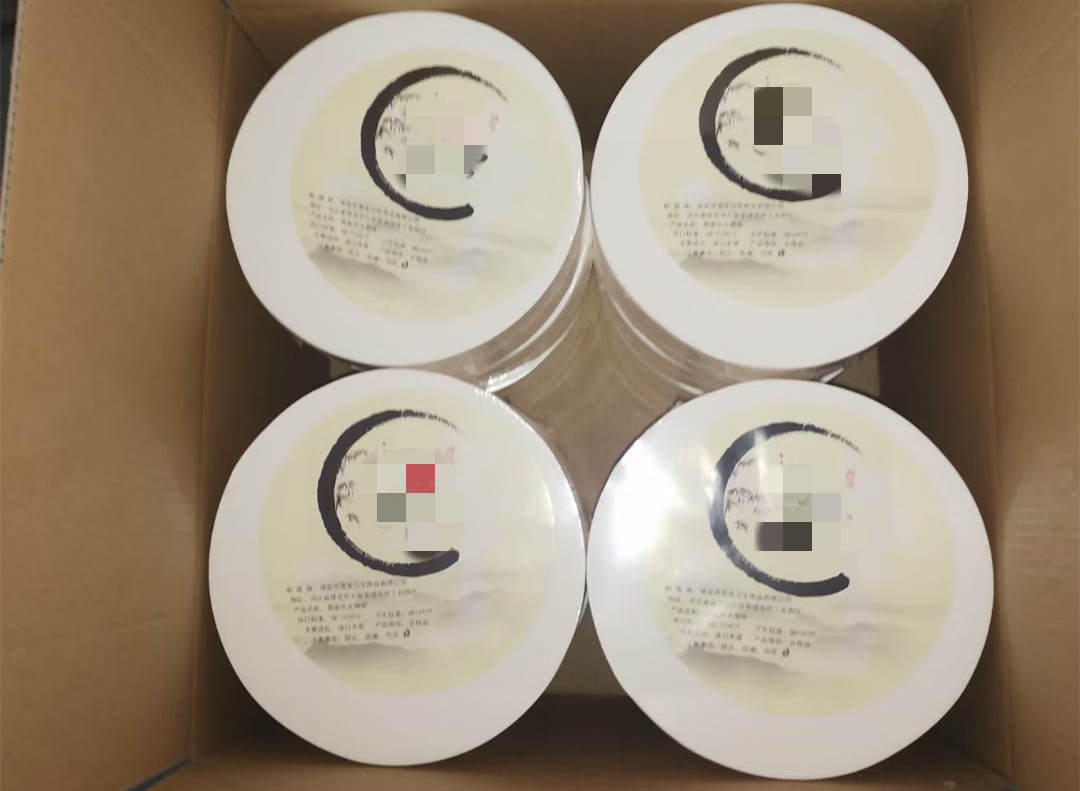
Converting Sheet Count to Feet for B2B Auditing
Transitioning procurement audits from arbitrary sheet counts to linear footage eliminates the margin for manufacturer “short-sheeting” and ensures every dollar spent translates to usable raw material.
Applying the Mathematical Formula for Linear Footage
Procurement teams often fail by relying on labeled sheet counts, which manufacturers easily manipulate through perforation spacing. To find the true length, auditors multiply the total sheet count by the specific length of a single sheet in inches—typically 4 to 4.5 inches for standard rolls—and divide the resulting figure by twelve. This calculation provides the linear footage, a metric that cannot be inflated by air-trapping embossing or loose winding.
- Multiply the total sheet count by the length of a single sheet in inches to find the raw length.
- Divide the total inch count by twelve to establish the linear feet per roll for accurate inventory logs.
Verifying GSM and Ply Consistency in 2026 Shipments
Beyond length, roll density dictates the actual value of a B2B shipment. Auditors use the Grams per Square Meter (GSM) metric, cross-referencing physical samples against the technical data sheet to confirm the fiber density matches the contract. For Top Source Hygiene orders, this involves verifying a 13–22g/m² range per ply to prevent suppliers from substituting lightweight, inferior fibers in multi-ply products.
| Audit Metric | Retail Market Average | TSH Industrial Standard |
|---|---|---|
| Primary Measurement | Nominal Sheet Count | Certified Linear Footage |
| Density Verification | Unverified / Mixed Pulp | 13–22 GSM (100% Virgin) |
| Tolerance Margin | 10–15% Length Variance | Guaranteed <1% Deviation |
Physical inspection confirms that 2-ply or 5-ply layers meet the structural standards required for high-traffic or luxury hospitality environments. Professional auditing teams cross-reference paper weight and layering to ensure suppliers meet contract specifications.
Standardizing Audit Procedures for Global Paper Procurement
Standardizing on linear footage protects profit margins during large-scale procurement, particularly for 40-foot high-cube container deliveries where small discrepancies compound into significant volume loss. Reliability checks compare these physical measurements against a manufacturer’s stated production capacity, such as the 2,860-ton monthly output common in Hebei’s industrial hubs.
- Implement foot-based auditing for jumbo rolls to prevent volume loss in 40-foot high-cube container deliveries.
- Evaluate vendor reliability by comparing physical measurements against the 2,860-ton monthly production capacity claims.
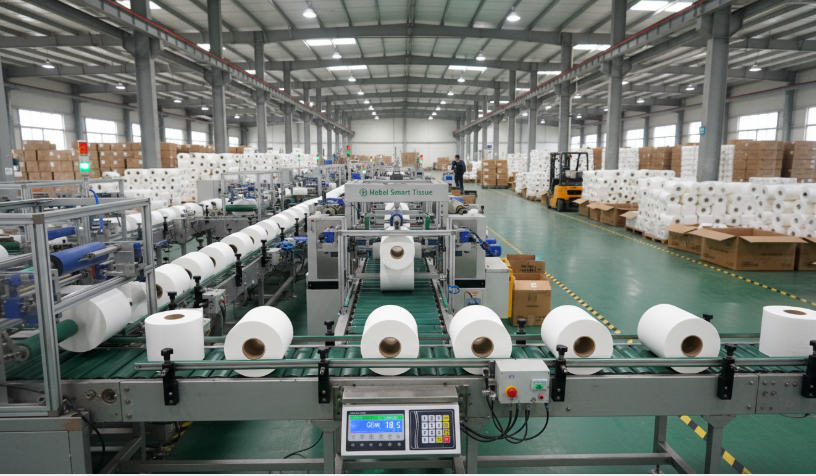
The Impact of Embossing on Roll Diameter vs True Length
Surface embossing creates a physical illusion of bulk by trapping air between paper fibers, which often masks a significant reduction in the actual linear footage of the roll.
Air Trapping and Volume Expansion via Surface Texturing
Surface texturing manipulates paper fibers to trap air between layers, creating a three-dimensional architecture that expands roll volume. This physical expansion increases the perceived thickness of each sheet without requiring additional raw material or higher GSM. Manufacturers use this technique to satisfy demand for softness and bulk in the 2026 retail market while keeping fiber costs static.
- Embossing patterns press paper layers together to form air pockets that significantly increase sheet loft.
- These air pockets increase volume without adding material weight, resulting in a lighter roll that looks larger.
- Rolls appear larger in diameter on the shelf, which influences consumer perception of value.
Calculated Length Discrepancies in High-Loft Paper Products
Aggressive embossing creates a direct trade-off between perceived bulk and functional footage. Because deep patterns increase the thickness of every wrap, fewer layers fit onto a standard core before reaching the maximum roll diameter allowed by commercial dispensers. B2B buyers must audit linear footage to ensure they are not paying for air instead of paper.
| Texture Specification | Visual Roll Diameter | Linear Footage Impact |
|---|---|---|
| Standard Dot Emboss | 110mm (Baseline) | 100% (Standard Capacity) |
| Deep Point-to-Point | 125mm (+13%) | 88% (-12% Loss) |
| Top Source CNC-Precision | 115mm (+4%) | 98.5% (Optimized) |
- Heavy embossing reduces the total linear paper length that fits on a standard industry core.
- Top Source Hygiene provides precise roll length data to prevent discrepancies between appearance and actual use.
- We monitor embossing depth to ensure private label brands meet strict regional compliance for sheet count.
Logistical Constraints of Increased Roll Bulk in 2026 Shipments
Roll diameter directly dictates shipping efficiency and landed pricing for B2B partners. Bulky, highly-embossed rolls occupy more volume in 40-foot high-cube containers, which often reduces the total unit capacity per shipment. Our engineers balance pattern depth with compression strength to maintain softness while maximizing the number of rolls that fit into each container.
- Bulky rolls reduce total payload capacity in 40HQ containers, increasing the freight cost per unit.
- We use CNC-precision patterns to maintain softness without sacrificing structural integrity during sea freight.
- Optimizing the roll diameter-to-shipping volume ratio keeps logistical costs low for global distributors.

Demanding Certified Spec Sheets from Overseas Paper Mills
Technical spec sheets act as the primary legal defense against “spec drift,” ensuring every shipment matches the 13–22g/m² GSM standards required for commercial-grade tissue integrity.
Verifying Technical Specifications and GSM Accuracy
We verify that physical paper properties align with ordered requirements to stop subtle product degradation. B2B buyers often face “GSM shaving,” where a mill reduces paper thickness by a fraction to save costs over thousands of rolls. Demanding a certified breakdown of Grams per Square Meter (GSM) ensures the product meets the 13–22g/m² industry standard for 2026. This technical oversight prevents the delivery of flimsy, non-compliant stock that fails in professional dispensers.
- Validate ply counts ranging from 2-ply up to 5-ply through physical samples and certified laboratory testing.
- Cross-reference roll diameter against linear footage to detect hidden volume discrepancies.
- Confirm the use of long-fiber wood pulp to maintain tensile strength and prevent linting.
Validating International Quality and Compliance Certifications
Procurement teams audit factory credentials to ensure products meet global safety mandates. Overseas sourcing requires active verification of ISO 9001 documentation to confirm the mill’s internal quality management. For the North American and European markets, valid FDA and FSC certifications for 2026 are non-negotiable requirements that satisfy strict regulatory frameworks and corporate sustainability goals.
- Verify 100% OBA-Free status through chemical analysis sheets to guarantee the absence of fluorescent whiteners.
- Confirm rapid disintegration (septic-safe) ratings to protect plumbing infrastructure in high-traffic facilities.
- Check batch color consistency to ensure an 85-92% natural brightness level without chemical bleaching.
Auditing Production Capacity and Logistical Lead Times
Operational transparency depends on the manufacturer’s ability to deliver high-volume orders without delay. We assess monthly production capacities, such as the 2,860-ton benchmark maintained by Top Source Hygiene, to guarantee supply stability for large-scale distributors. Relying on verified production data allows buyers to plan inventory cycles around 15-25 day production windows for 40-foot high-cube containers.
- Optimize 40HQ payloads, targeting 7-9 tons, to minimize the landed cost per roll for international buyers.
- Document established shipping routes from hubs like Tianjin Xingang Port to minimize transit friction.
- Utilize pre-shipment visual verification, including loading videos, to maintain 100% order transparency before balance payment.
Conclusion
Shifting from sheet count to linear footage ensures accurate B2B auditing and prevents financial losses from hidden roll shortening. Procurement teams maintain control by requiring certified spec sheets that account for embossing and true paper length. This technical transparency guarantees that every jumbo roll meets the exact volume requirements for commercial facilities.
Audit your current supply specifications to confirm that linear footage aligns with your facility usage and budget. Contact our factory team to receive a certified specimen catalog or to discuss logistics for your next 40HQ container.
Frequently Asked Questions
How many sheets are in a jumbo toilet paper roll?
Jumbo toilet paper rolls are typically measured by linear footage rather than sheet count because they are often non-perforated. However, a standard 9-inch 2-ply jumbo roll is generally equivalent to approximately 2,000 to 2,500 standard sheets, while a 1-ply roll can contain the equivalent of nearly 4,000 sheets.
Why is sheet count a bad metric for commercial tissue?
Sheet count is a deceptive metric because it lacks a standardized size; manufacturers can reduce the width or length of individual sheets to inflate the total count while providing less total paper. In commercial environments, this leads to inaccurate cost analysis and frequent run-outs, as the physical volume of the roll is more important than the number of arbitrary perforations.
How to calculate linear footage of a toilet paper roll?
To calculate linear footage, multiply the total number of sheets by the length of a single sheet in inches, then divide by 12. For non-perforated rolls, the calculation involves measuring the outer diameter and core diameter to determine the total wound length based on the paper’s thickness (caliper).
How do manufacturers cheat on wholesale toilet paper?
Manufacturers often employ “narrowing,” where they reduce roll width from the standard 4.5 inches to 4.0 or 3.8 inches, and “de-inking” or high-loft embossing to make rolls appear thicker and larger while using significantly less fiber. They may also increase the diameter of the cardboard core to make the roll look full while reducing the actual linear footage of the paper.
What is the true length of a 9-inch jumbo roll?
The true length of a standard 9-inch jumbo roll depends on the ply: a 2-ply roll typically contains 700 to 750 linear feet, whereas a 1-ply roll usually provides 1,000 to 1,200 linear feet. High-density “compact” jumbo rolls can sometimes reach up to 1,500 feet within the same 9-inch diameter.
Cost per foot vs cost per sheet in janitorial supplies?
Cost per foot is the only reliable metric for janitorial procurement as it measures the actual amount of raw material purchased. Cost per sheet is a variable metric that can be easily manipulated by manufacturers through sheet-sizing, making it nearly impossible to compare different brands or products accurately for facility budgeting.