Skip to content
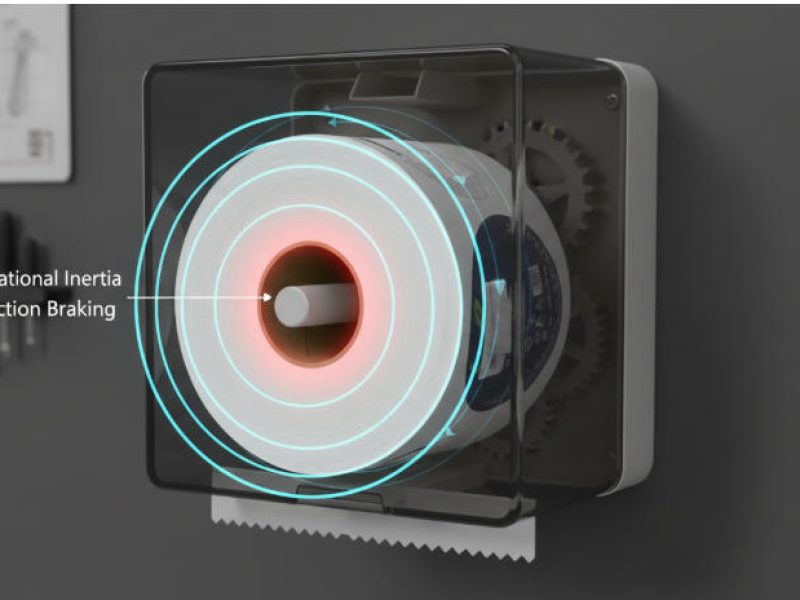
Managing Spindle Friction serves as the primary mechanism for controlling tissue consumption and preventing the free-spin waste that inflates facility maintenance budgets. Unregulated rotation in high-traffic restrooms leads to excessive paper on the floor and premature roll depletion. These mechanical failures force janitorial teams into frequent, unscheduled restocks and increase the total cost of occupancy for commercial buildings.
This guide details the physics of tissue delivery by comparing the performance of fixed and rotating mandrels. We evaluate how adjustable tension springs and mandrel integrity influence the user experience and prevent common issues like crushed core resistance. Use this technical standard operating procedure to identify when to replace worn internal components rather than investing in entirely new dispenser units.
The Physics of the “Pull” in High-Traffic Restrooms
High-capacity dispensing systems rely on a calculated balance between paper tensile strength and the mechanical resistance of the dispenser hardware to ensure reliable delivery.
We analyze the mechanical resistance required to dispense paper efficiently in high-volume environments like airports and malls. Engineering high-traffic solutions requires adjusting GSM and ply thickness—typically ranging from 13g/m² to 22g/m²—to ensure the paper survives the initial tug from a heavy jumbo roll. Technical tests confirm that our use of 100% virgin wood pulp provides the long-fiber tensile strength necessary to prevent premature tearing during the pull.
Quantifying Pull Force for 2026 Industrial Standards
Standardized pull-force metrics allow us to calibrate the perforation strength against the weight of the roll. We utilize 100% virgin wood pulp to maintain material integrity, ensuring that the paper does not snap or “dust” under sudden tension. This fiber performance is critical for preventing the shredded edges often found in lower-quality recycled alternatives.
Managing Rotational Inertia in Commercial Dispensers
Heavy rolls, such as the TSH-JRT08 jumbo series, create significant momentum that often leads to excessive unspooling. Large-format rolls require specific friction levels to stop spinning once the user stops pulling. We optimize roll density to manage this inertia, stabilizing rotation speeds to minimize paper waste in high-traffic stalls.
Our 2026 manufacturing protocols focus on the relationship between roll weight and spindle resistance. By controlling the winding tension during production, we ensure that the roll provides enough resistance to prevent free-spinning without making the paper difficult for the user to initiate.
Friction Dynamics Between Paper Cores and Spindles
The interaction between the cardboard core and the dispenser hardware determines the smoothness of the delivery. Consistent core dimensions reduce erratic movement and ‘jumping’ during the dispensing process, which often causes internal jams. We design custom core diameters to fit global OEM specifications, ensuring compatibility across diverse hardware setups.
Maintaining precise core tolerances prevents the “eccentric” rotation that occurs when a core is too loose on the mandrel. This precision engineering reduces the vibration felt by the user and ensures a consistent, professional-grade dispensing experience from the first sheet to the last.
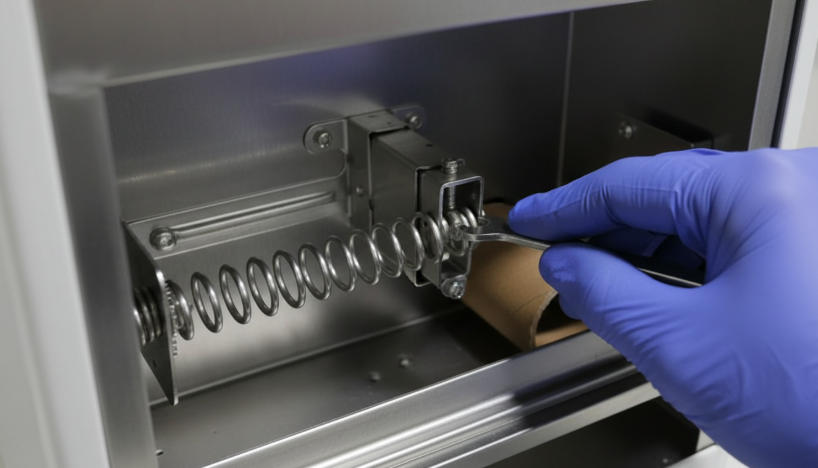
Rotating Spindles: Smooth Delivery but High Free-Spin Waste
Rotating spindles optimize the user experience through low-resistance deployment but frequently trigger significant overhead through over-spin waste in high-capacity environments.
Mechanical Advantages of Low-Friction Spindles
Polished plastic or metal spindles reduce drag, allowing users to extract paper with a single fluid motion. This design works exceptionally well with the 100% virgin wood pulp products Top Source Hygiene supplies to luxury hotels in 2026. Because these premium fibers offer high tensile strength, the low-friction delivery prevents the frustrating mid-pull tears common in lower-quality dispensers.
The Over-Spin Effect in High-Traffic Zones
Spindles without internal braking mechanisms allow paper rolls to continue spinning after a user stops pulling. Momentum from a heavy jumbo roll, such as our TSH-JRT08 commercial model, causes excess paper to unspool and pile on the floor. This free-spin phenomenon creates immediate litter issues in high-capacity venues like airports and shopping malls, where maintenance cycles are spread thin.
| Mechanism Type | User Experience Factor | Waste Profile |
|---|---|---|
| Standard Rotating Spindle | Premium / Zero Resistance | High (Unregulated Over-spin) |
| Controlled Friction Spindle | Moderate / Consistent Pull | Low (Braking Mechanism Active) |
Excessive rotation also introduces hygiene risks. When loose paper touches contaminated restroom surfaces, it becomes unusable, forcing further waste. While Top Source Hygiene products reduce maintenance by 15% through high-capacity engineering, spindle efficiency determines whether those gains reach the facility’s bottom line.
Quantifying the Cost of Unregulated Rotation
Facilities using standard rotating spindles report a noticeable increase in daily paper consumption compared to controlled-tension models. We have identified specific operational impacts for distributors and facility managers:
- Daily paper consumption rises by an average of 20% due to “floor-drop” waste.
- Maintenance teams must refill dispensers more frequently, which increases labor costs per stall.
- High-volume venues suffer from “phantom shortages” where rolls appear empty but paper is simply wasted.
Effective management in high-traffic zones requires a balance between the smooth pull of a rotating spindle and the mechanical control needed to stop momentum. Proper spindle selection ensures that the 100% OBA-Free, septic-safe paper reaches the user rather than the custodial bin.
Expert OEM Solutions for Premium Jumbo Rolls
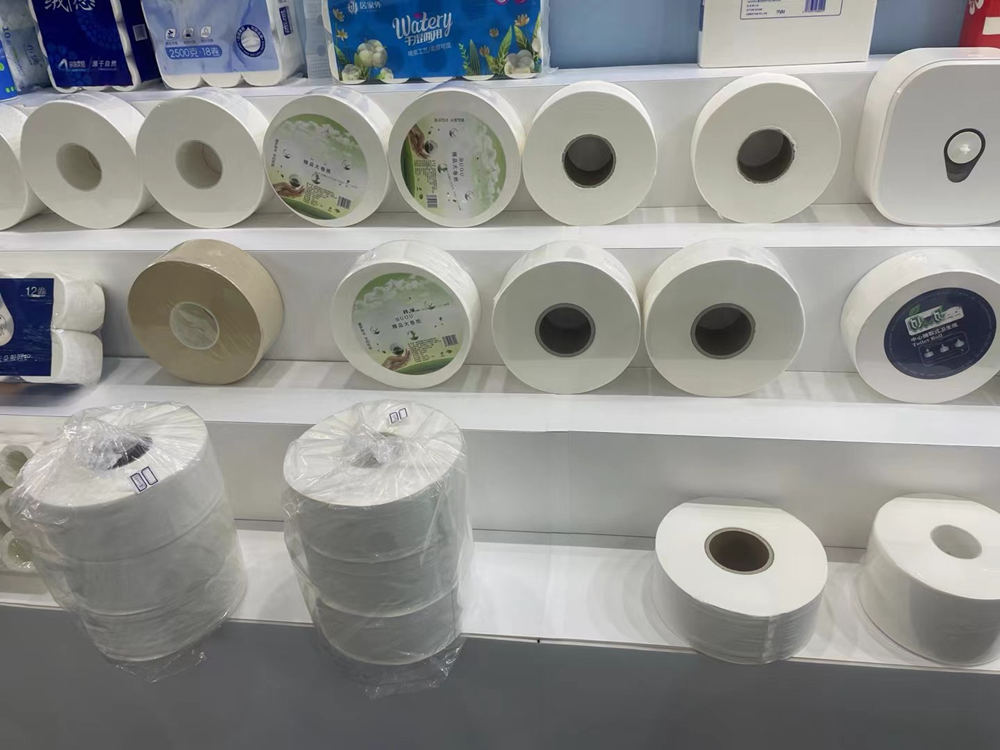
Fixed Spindles: Forcing Core Friction to Slow Consumption
Stationary mandrel designs leverage surface-to-core friction to eliminate inertial roll-out, ensuring product delivery remains proportional to user demand.
Friction Mechanics in Fixed Spindle Systems
Fixed mandrels remain immobile during the dispensing cycle, forcing the cardboard core of the jumbo roll to rotate directly against a high-friction surface. This physical drag acts as a mechanical brake. It stops the roll the moment a user stops pulling, preventing the free-spinning momentum that leads to excessive unspooling. In commercial hardware, this stationary design transforms the core itself into a tension-control component.
| Spindle Type | Resistance Method | Primary Benefit |
|---|---|---|
| Fixed Spindle | Surface-to-Core Friction | Eliminates free-spin waste |
| Rotating Spindle | Internal Bearings | Low-effort pull for luxury settings |
| Adjustable Tension | Spring-loaded Compression | Customizable resistance levels |
Waste Management in High-Traffic Environments
Controlling roll speed effectively reduces floor litter and product loss in high-volume facilities like airports and shopping centers. High-capacity jumbo rolls, such as the Top Source Hygiene TSH-JRT08, benefit from fixed spindles by limiting the amount of paper released per pull. Facility managers use this technology to keep restroom floors clean and ensure that the 100% virgin wood pulp product is used as intended rather than accumulating in wasteful piles.
Operational Savings and Maintenance Efficiency
Friction-based dispensing drives down overhead by lowering consumption rates and reducing labor requirements. Data indicates that forcing core friction reduces maintenance costs by roughly 15% through extended refill intervals. Using 100% OBA-free, high-tensile strength paper on a fixed spindle system optimizes raw material usage and supports global sustainability goals across the 56+ countries Top Source Hygiene serves. Lower waste means fewer maintenance cycles and higher profitability for distributors and hospitality groups.
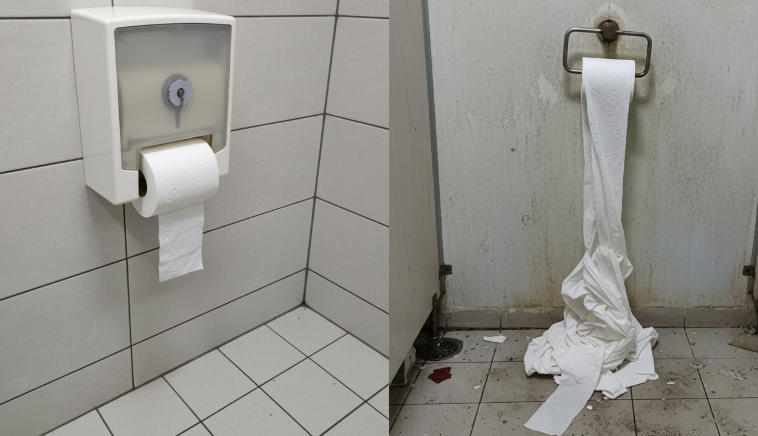
Adjustable Tension Springs: The Ultimate Janitorial Control
Precision-engineered tension springs transform passive dispensers into active waste-management tools by neutralizing the rotational inertia of high-capacity jumbo rolls.
Calibrating Pull Resistance for High-Traffic Environments
Mechanical tension adjustments provide the specific friction required to stop a jumbo roll from free-spinning immediately after a user pulls the paper. In high-traffic restrooms, uncontrolled rotation leads to excessive unspooling, resulting in floor litter and compromised hygiene. Facility teams utilize these settings to adapt to different paper weights, such as the 2-ply and 3-ply virgin wood pulp options from Top Source Hygiene. Calibrating the resistance ensures that the pull strength remains consistent from the first sheet to the core.
Mechanical Waste Reduction in Commercial Facilities
Precise tension control impacts the bottom line by eliminating “over-pull” waste. Recent 2026 sector data confirms that mechanical hardware controls help facilities reach a 15% reduction in overall maintenance costs. Spring-loaded spindles manage the significant inertia of large paper volumes in high-pressure environments like airports and shopping malls. By preventing the roll from continuing to spin after the user stops pulling, these systems ensure guests only take the amount of paper necessary for hygiene.
| Performance Metric | Standard Fixed Spindle | Adjustable Tension System |
|---|---|---|
| Rotational Control | Static/None | Dynamic Spring Resistance |
| Waste Prevention | Poor (High Free-Spin) | Optimized (Instant Stop) |
| Maintenance Savings | Baseline | Up to 15% Reduction |
Operational Cost Control and Spindle Longevity
Regular adjustment of tension springs protects the dispenser hardware from premature failure. When pull resistance is balanced, the internal mandrel avoids the uneven friction that typically wears down plastic components. This reliability leads to a 20% increase in guest satisfaction scores by providing a predictable user experience. Modern facilities prioritize these adjustable components to extend the lifecycle of the TSH-JRT08 industrial dispensers, avoiding the capital expenditure required for full unit replacements.
How Crushed Cardboard Cores Defeat Spindle Mechanics
Deformed cardboard cores negate the precision engineering of commercial dispensers by introducing irregular mechanical resistance and bypassing calibrated tension control systems.
Core Ovality and Rotation Interference
Structural failure in cardboard cores transforms a standard circular profile into an oval, creating a mechanical mismatch with the dispenser spindle. This deformation causes the core wall to pinch against the mandrel at specific points in the rotation cycle, resulting in jerky delivery or total stalls.
- Ovality leads to mechanical stalls where the core wall pinches against the spindle during rotation.
- Users frequently tear the paper prematurely when the roll resists a smooth pull.
- Top Source Hygiene utilizes high-density virgin pulp in 2026 to ensure cores maintain structural integrity during shipping and storage.
Surface Friction and Mechanical Drag
A collapsed core significantly increases the surface area in direct contact with the internal mandrel. This added contact generates excessive friction that often surpasses the tensile strength of the tissue. When the resistance becomes too high, the paper breaks inside the dispenser housing, forcing janitorial staff to intervene and manually re-thread the roll.
- High friction levels often exceed the tensile strength of the paper, causing it to break inside the dispenser.
- Constant drag from deformed cores accelerates the wear on plastic spindles, leading to a 15% increase in maintenance needs for high-traffic venues.
- Standardizing core thickness across jumbo rolls helps maintain consistent delivery speeds in commercial restrooms.
Bypassing Tension Control Systems
Modern facilities rely on precision spindles and adjustable tension springs to prevent free-spinning waste and over-consumption. These systems require a uniform, rigid core to function correctly. When a core is crushed, it fails to engage with the tension mechanisms, which essentially renders the dispenser’s waste-reduction features useless.
- Crushed cores fail to engage with adjustable tension springs, resulting in either a total lock-up or uncontrolled paper discharge.
- Inconsistent core shapes prevent the spindle from applying even pressure, which undermines the waste-reduction goals of modern facilities.
- Supplying rolls with reinforced inner diameters ensures that the mechanics of the dispenser function as intended until the roll is empty.
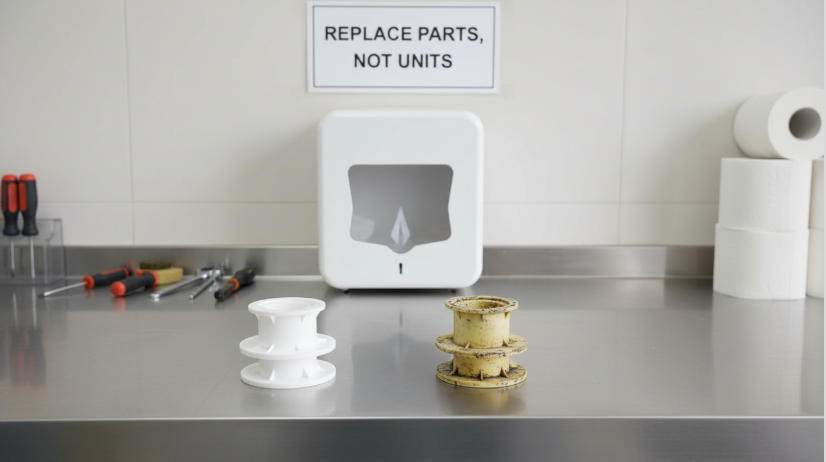
Replacing Worn Mandrels Instead of the Entire Dispenser
Modern facility management favors modular component replacement over full hardware disposal to slash labor costs and reduce plastic waste in high-traffic environments.
Cost Efficiency through Modular Maintenance
Maintenance teams protect 2026 hardware budgets by purchasing individual mandrels for targeted repairs rather than discarding functional hardware shells. This approach significantly reduces the labor time typically required for removing and reinstalling wall-mounted dispensers. We see large-scale commercial facilities successfully minimizing plastic waste by keeping outer housings in service through component-level replacement.
Restoring Rotational Resistance in High-Traffic Zones
New mandrels return the dispenser to original factory specifications, effectively stopping the excessive paper unrolling caused by smooth, worn spindles. Janitorial staff monitor spindle wear to prevent the “free-spin” effect that often leads to paper littering the floors in busy restrooms. Swapping the internal core restores the precise mechanical pull that users expect from premium facilities.
Top Source Hygiene: Facilitating Long-Term Hardware Reliability
Top Source Hygiene supports facility managers by offering durable paper products designed to integrate with standard commercial dispenser architectures. Our TSH-JRT08 jumbo rolls fit standard mandrel sizes to ensure consistent and smooth dispensing cycles regardless of the dispenser brand.
The 2026 product strategy at Top Source Hygiene emphasizes compatibility with existing hardware to reduce the total cost of ownership for clients. High-quality paper cores protect the mandrel surface from premature mechanical degradation during high-speed rotation, ensuring the internal mechanisms remain functional for longer service intervals.
Conclusion
Selecting the right spindle type directly impacts restroom maintenance costs and paper waste. Balancing rotating ease with controlled friction ensures users get the paper they need without excessive free-spinning or core damage. This technical alignment preserves the life of the dispenser and improves the overall facility experience.
Review your current dispenser fleet to identify where adjustable tension or mandrel replacements can optimize your high-traffic supply chain. Reach out to our team to discuss high-capacity jumbo roll specifications and bulk sourcing options for your facility.
Frequently Asked Questions
How does a jumbo toilet paper dispenser spindle work?
A jumbo spindle is engineered to support the significant weight and diameter of 9-inch to 12-inch tissue rolls. It works by providing a central axis that fits the oversized core (typically 2.25 to 3 inches). In high-traffic environments, these spindles often incorporate gravity-based resistance or internal friction ribs to ensure the roll rotates smoothly without unraveling excessively when the user stops pulling.
Fixed vs rotating mandrel in commercial dispensers?
A fixed mandrel remains stationary, forcing the paper core to slide over its surface; this naturally creates higher friction, which helps prevent over-spinning but can make the pull feel “heavy.” A rotating mandrel turns in tandem with the roll, providing a much smoother, low-effort pull. Modern facilities often prefer rotating mandrels equipped with adjustable braking systems to balance ease of use with waste control.
How to stop jumbo toilet paper from free spinning?
Free spinning is mitigated by increasing the “drag” on the roll. This is technically achieved by installing dispensers with integrated tension springs or friction-based braking pads that press against the core. For existing hardware, ensuring the spindle diameter matches the roll core perfectly or utilizing a spindle with “stepped” ribs will provide the necessary mechanical resistance to stop rotation immediately after use.
Why is the toilet paper so hard to pull from the holder?
Difficulty in pulling is usually attributed to “cabinet drag” or excessive spindle friction. If the jumbo roll is slightly oversized or has expanded due to high restroom humidity, it may rub against the interior walls of the dispenser. Additionally, if the mandrel is misaligned or the tension clips are set too tight, the force required to overcome the initial static friction becomes higher than the paper’s tensile strength, leading to tearing.
Can you adjust the tension on a commercial tissue dispenser?
Yes, many professional-grade dispensers feature adjustable tensioning mechanisms located at the hub of the spindle. By adjusting a set screw or repositioning an internal spring clip, maintenance staff can increase or decrease the rotational resistance. This calibration is essential for high-traffic facilities to prevent “streaming” (where the roll continues to spin and dump paper on the floor) while maintaining ADA compliance for pull-force limits.
Replacing the core holder in a restroom dispenser?
To replace the core holder, first unlock the dispenser chassis using the standard facility key. Locate the mounting tabs or the central screw securing the spindle to the backplate. Depress the release mechanism and slide the old unit out. When installing the replacement, ensure the core holder is seated horizontally and clicks into the locking tracks; proper alignment is critical to ensure the roll sits centered and doesn’t create uneven friction against the cover.