
Product Knowledge
Toilet Paper Ply vs GSM: The Real Spec for Buyers
A toilet paper ply comparison for commercial use usually starts with a simple assumption: more layers mean a better product. That assumption costs hospitality buyers

A toilet paper ply comparison for commercial use usually starts with a simple assumption: more layers mean a better product. That assumption costs hospitality buyers
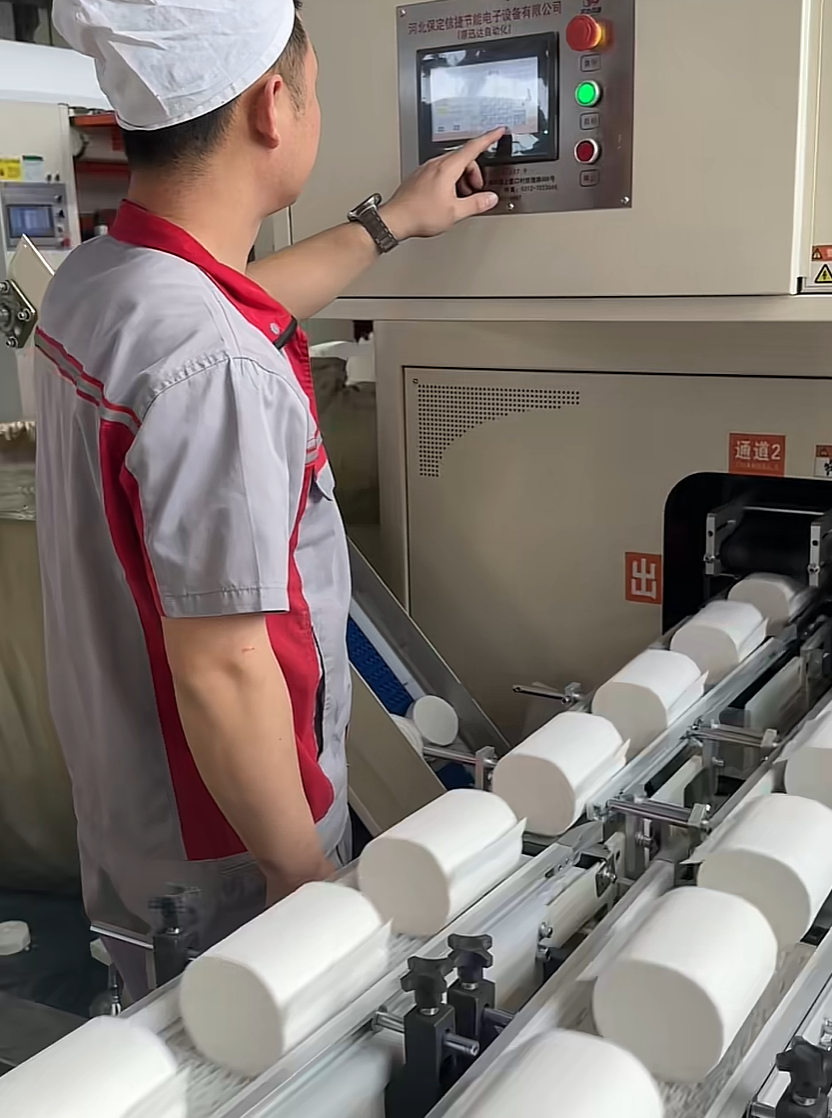
Setting the right healthcare toilet paper GSM ply spec is the first filter in your supplier RFP, and it is the one most buyers get wrong. A 30-year-old manufacturer like Top Source Hygiene, operating out of China’s largest paper production base in Mancheng, Baoding, sees this mistake daily. Buyers either chase a high GSM number thinking it equals quality, or they default to a cheap 1-ply that disintegrates on contact.

The landed cost china toilet paper equation is where most private label deals fall apart. You lock in a great FOB price, then watch freight eat 15-30% of your margin before the container hits the dock. For a bulky, low-density product like toilet paper, the shipping strategy is often more important than the unit cost.

The conversation around private label toilet paper savings usually starts with a unit price comparison. For a veteran procurement manager running a 20-hotel chain, that’s the easy part. The harder question is whether the switch introduces risk that outweighs the margin gain. This case study walks through how one UK group answered that question with real numbers, not supplier promises.
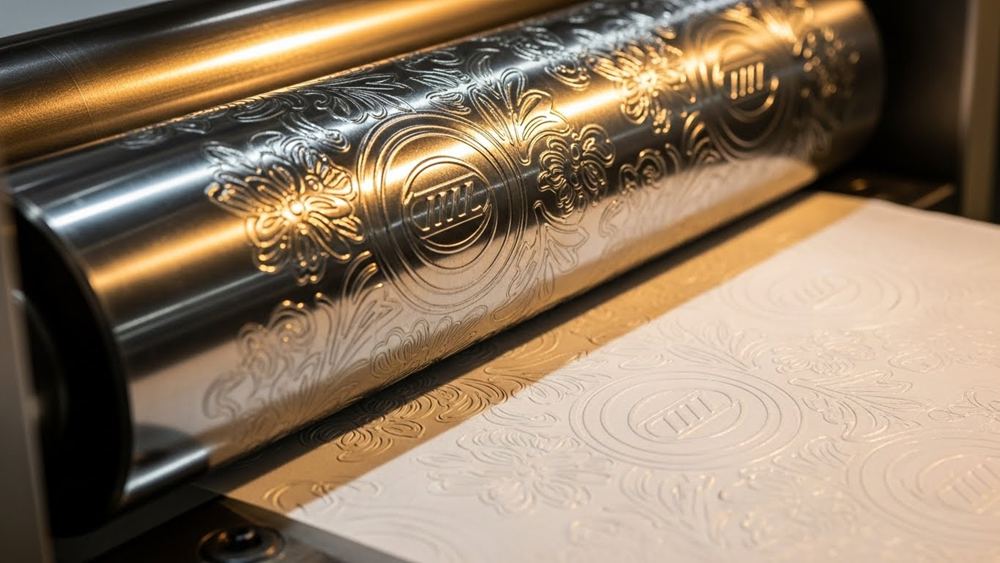
The overlooked variable is quality tier. Many Chinese manufacturers routinely push 1‑ply recycled jumbo rolls into African markets because the upfront price is lowest. That savings disappears fast when the thin paper clogs toilets in high‑traffic restrooms — a single plumbing callout for a blocked line can cost more than the entire weekly paper budget.
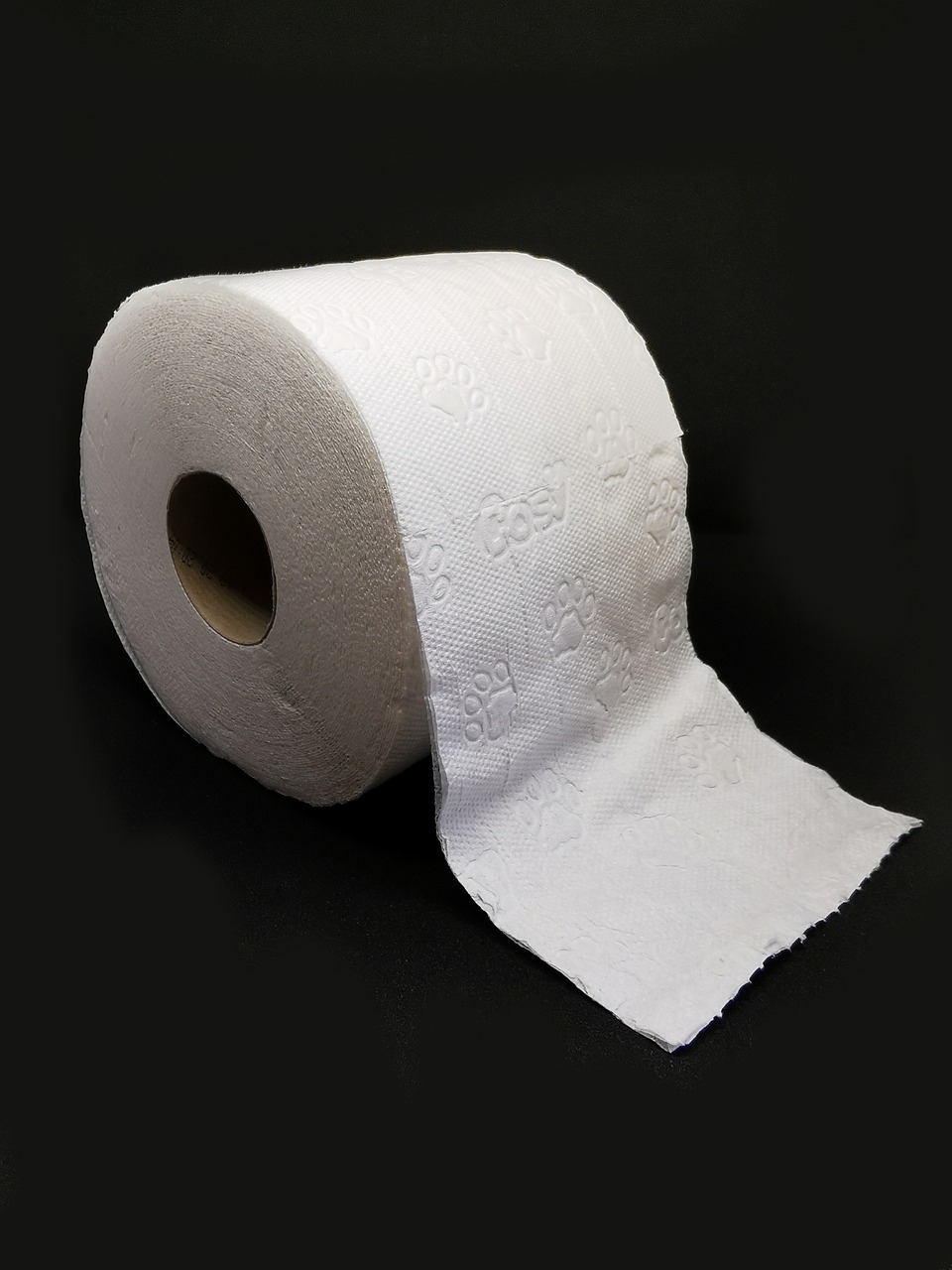
An EU private-label sourcing lead evaluating FSC-certified private label toilet paper faces a market where green claims are everywhere, but proof is often thin. The material cost difference between certified virgin pulp and recycled fibre is small—$1,200/ton vs $1,100/ton—yet the reputational risk of a false claim is enormous. That’s why the verification process matters more than the initial FOB price.

Most buyers fall into the trap of equating higher ply with higher quality. But the real metric is GSM per layer — grams per square meter of each individual ply. A low-GSM 3-ply, say 12 GSM per layer, feels thin and linty. Guests use more of it. That drives up sheet consumption and per-room cost.
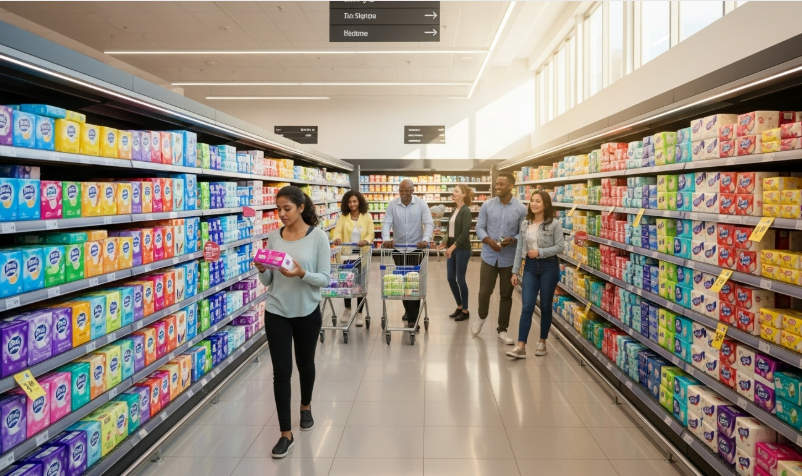
The South African tissue market is projected to reach $631.5 million by 2032, driven by a 42% surge in private-label demand. This strategic guide evaluates top manufacturers like Twinsaver and Top Source Hygiene, highlighting the shift toward direct OEM sourcing to bypass 15-30% middleman markups. It also provides critical logistical insights into recent infrastructure upgrades and revised 2026 demurrage rates at the Ports of Durban and Cape Town, offering a roadmap for wholesalers to optimize margins and supply chain efficiency.

If you’re procuring FSC toilet paper healthcare for a hospital network, you’re already ahead of most procurement teams. The FSC logo signals responsible forestry, but